From Certification to Career: The Real 2026 Pilates Pathway
Comprehensive Pilates certification costs $3,700–$6,000+ and requires 450 hours, but the gap between completing training and building a sustainable career is widening in 2026.
Key Takeaways
- Comprehensive Pilates certification now requires 450+ hours of training and costs $3,700–$6,000+, taking approximately one year to complete while balancing other work, per Pilates Method Alliance standards.
- Average instructor salaries have reached $69,000 gross annually in 2026, but experienced instructors in major US markets earn $60–$90 per class, with top earners in saturated metros clearing $80,000–$120,000 and entrepreneurial instructors in secondary markets reaching $150,000+ with private clients.
- Mat-only certification rarely meets 2026 hiring requirements; studios operating reformers, towers, and chairs need instructors certified on apparatus, creating access barriers for aspiring teachers who must secure practice time on equipment they don't own.
- Instructor burnout accelerates despite high demand, with teachers becoming fully booked within one to two years and then burning out from overloaded schedules, creating a quality supply gap rather than a quantity shortage.
- Sustainable career paths follow a three-year pattern: Year 1 focuses on building technique through high teaching volume, Year 2 develops a specialty to justify higher private rates, and Year 3 involves choosing between career instructor, hybrid teaching, or studio ownership.
- Hybrid and digital teaching capabilities expand career potential in 2026, allowing instructors to reach students worldwide and teach multiple modalities, with retention depending on schedule guardrails that cap contact hours at 12–15 weekly.
The $6,000 Entry Barrier and the Apparatus Access Problem
The pathway to becoming a working Pilates instructor in 2026 begins with a substantial investment. Comprehensive Pilates certification requires 450+ hours of training, costing between $3,700 and $6,000 or more, and taking approximately one year to complete while balancing other employment. The Pilates Method Alliance (PMA) recommends this minimum threshold for comprehensive certification, with their NCPT (National Certified Pilates Teacher) exam serving as the gold standard for independent, third-party credentialing.
The certification ecosystem remains fragmented in 2026. Industry observers note that if four out of five studios specifically require BASI, Stott, or Polestar credentials, certification choice narrows quickly. However, the majority of US studios post job listings requiring simply "recognized Pilates certification," which opens options considerably. According to recent industry assessments, the STOTT PILATES Certification stands out as the top choice for long-term career excellence, with BASI Pilates Instructor Training ranking second and ISSA Pilates Instructor Certification holding third place.
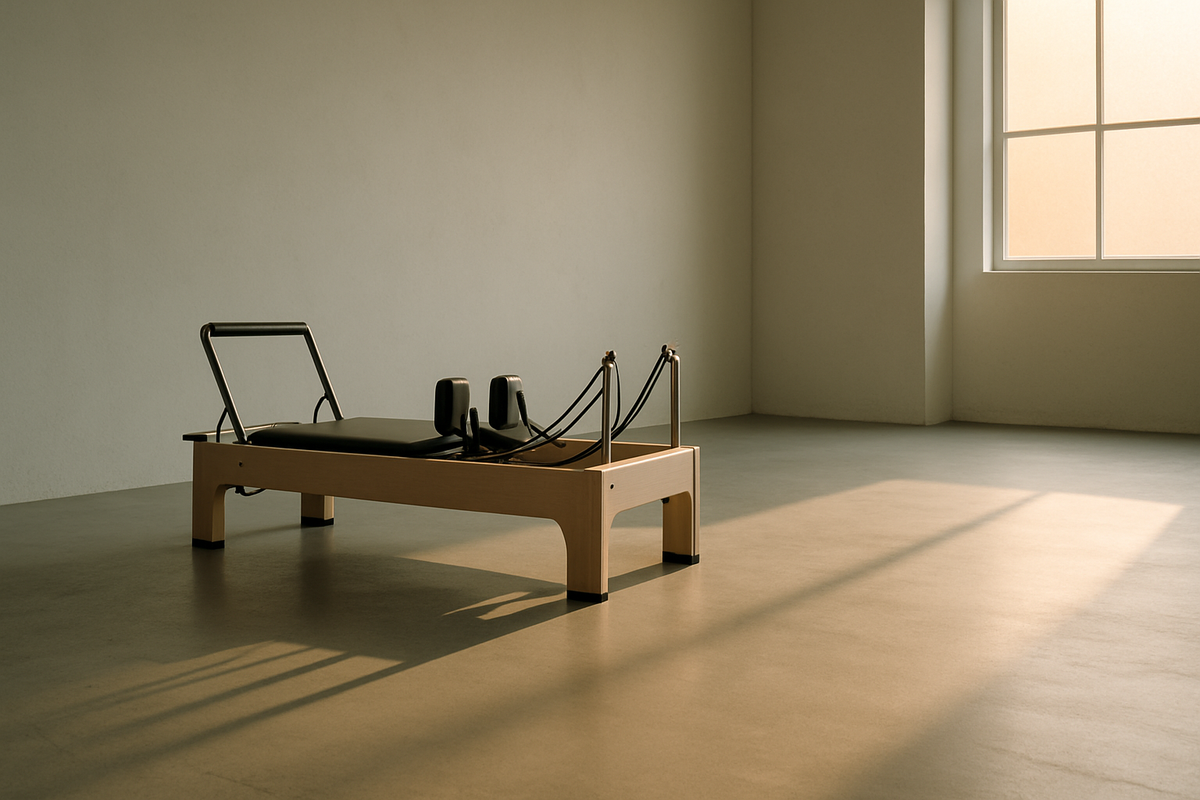
The equipment divide has become a defining employment line. Studios operating reformers, towers, chairs, and other apparatus need instructors certified on those specific pieces. Mat-only certification, once an acceptable entry point, rarely meets 2026 hiring requirements for equipment-based studios. This creates a chicken-and-egg problem: aspiring instructors need apparatus access to complete training, but many programs require students to secure their own practice time on equipment they don't yet own and can't afford. Some candidates spend additional money renting studio time or joining studios as clients just to log the required hours.
What Instructors Actually Earn in 2026
Average instructor salaries have reached $69,000 gross annually, making the profession financially viable for many entering the field this year. However, salary variation is stark, and the realistic 2026 instructor lives one of three distinct financial lives.
The full-time studio teacher works 20–25 classes weekly across one or two studios, earning $60–$90 per class for experienced instructors in major US markets. The hybrid teacher balances part-time studio work with part-time private clients and corporate contracts, representing the most common career path. Geographic location dramatically affects earning potential: a certified instructor in saturated metros like Los Angeles, New York City, or Miami can clear $80,000–$120,000 annually with sustained effort. In secondary markets where Pilates is still growing, the right certification combined with entrepreneurial drive can generate $150,000 or more through private clients and small group classes.
The Three-Year Career Development Arc
Instructors who build sustainable practices tend to follow a recognizable pattern over their first three years in the profession. Year one focuses on teaching as many studio classes as possible to build technique, receive observation and corrections, and watch other experienced teachers work. This high-volume phase establishes fundamental teaching competency but often stretches new instructors thin.
Year two involves developing a specialty such as athletic conditioning, rehabilitation, prenatal instruction, or Lagree-adjacent programming. This specialization justifies higher private session rates and supports building a small private client list of five to ten weekly appointments. By year three, instructors face a critical decision point: commit to the career instructor path, continue as a hybrid teacher, or pursue studio ownership. Those considering studio ownership begin researching equipment suppliers, lease terms, and business planning seriously during this phase.
Pilates instructors in 2026 can pursue careers in a wide range of environments including large health clubs, privately owned studios, community recreation centers, spas, schools, and rehabilitation clinics. The breadth of settings provides flexibility for instructors to specialize or diversify based on their skills and professional interests. Many instructors combine private and group instruction to broaden opportunities and income potential.
The Burnout Crisis Hiding Behind High Demand
Nearly all Pilates instructors surveyed report loving their jobs, looking forward to work every day, maintaining high career satisfaction, and wanting to share their passion with both clients and prospective instructors. Yet instructor retention poses a significant hidden cost for studios when talented teachers leave for competitors or private practice.
The shortage in 2026 is not about quantity but sustainability. New instructors entering the Pilates industry have grown 15% since 2015, with 34% of instructors starting in the past seven years, and Pilates instructors remain in high demand according to industry workforce reports. However, instructor burnout is accelerating despite this demand. Teachers become fully booked within one to two years and then burn out from overloaded schedules before they can build sustainable careers.
Many instructors feel undervalued and overworked, teaching back-to-back sessions without adequate recovery time. This burnout directly impacts client engagement, as students often follow their favorite instructors when they depart. Industry consultants now recommend that studios build schedule guardrails preventing instructors from exceeding sustainable teaching loads, even when demand exists. Capping instructors at 12–15 contact hours weekly may require hiring more teachers, but it protects the studio's investment in instructor training and prevents the costly churn of burning out top talent.
Hybrid Teaching and Digital Expansion in 2026
The most successful instructors entering the field in 2026 demonstrate capability teaching both in-studio and online. Hybrid teaching expands career potential and allows instructors to reach students worldwide. According to Arketa, a fitness business software provider tracking instructor trends, they're observing instructors pursuing certification on apparatus specifically to teach multiple modalities while expanding digital engagement and overall revenue streams.
This digital fluency represents a competitive advantage for new instructors willing to invest in technology platforms and remote teaching skills alongside their traditional apparatus training. Studios increasingly value instructors who can seamlessly transition clients between in-person and virtual sessions, maintaining continuity during travel, illness, or schedule conflicts.
Real Pathways: Studio Founder Stories
Real-world examples illustrate how instructors navigate from certification to entrepreneurship. Brittany Grignon Hays lived and breathed Pilates for years, working in studios since college before striking out on her own in 2016. She opened Session Pilates in Uptown Dallas and ran the studio solo for months as its only instructor. As of 2026, Grignon Hays has built seven studios across North Texas, with a Nashville location opening in 2025.
Heather Andersen, a former ballerina who co-founded the contemporary Pilates studio brand New York Pilates with her husband Brion Isaacs, got her start in the industry as an instructor around 2008, primarily teaching private classes. Andersen and Isaacs opened their first New York Pilates studio in 2013. Andersen emphasizes a critical but simple fact: effective Pilates instructors have a passion for interacting with people, and a studio is only as good as its instructors and the resulting community. "It takes time to develop a successful, well-informed, well-trained instructor," Andersen notes in industry interviews. "It doesn't happen overnight. People have to process and learn information. In this kind of business, the product is real people showing up with real skills."
What This Means for Studio Operators
Editorial analysis — not reported fact:
The instructor pipeline challenge facing studios in 2026 is fundamentally a retention and sustainability problem, not a recruitment volume problem. If you're a studio operator struggling to staff classes, adding more newly certified instructors without addressing burnout infrastructure will simply accelerate your turnover cycle. The evidence suggests three concrete operational shifts deserve priority.
First, reconsider your apparatus access policies for instructors-in-training. Studios that provide structured practice time for certification candidates create a talent pipeline with built-in loyalty and familiarity with your equipment and culture. Second, implement hard caps on instructor contact hours even when demand would support more classes. The short-term revenue gain from overloading your best teachers costs far more in replacement hiring, client disruption, and reputation damage when those instructors burn out or leave for competitors. Third, create clear specialty development pathways within your studio. Instructors who see a progression from general class teacher to prenatal specialist or sports conditioning expert are more likely to view your studio as a career home rather than a stepping stone.
For aspiring instructors reading this, the certification investment is substantial but the earning potential justifies it if you approach the career strategically. Prioritize comprehensive apparatus certification over mat-only credentials, plan for a three-year development arc rather than expecting immediate high earnings, and build digital teaching capabilities from year one. The instructors thriving in 2026 are those who diversified income streams early and protected themselves from burnout by setting boundaries before they became necessary.
Sources & Further Reading
- Pilates Method Alliance — Industry standards organization providing NCPT certification and comprehensive training guidelines including the 450-hour minimum recommendation
- Club Industry: Pilates Instructors Remain in High Demand — Workforce trends reporting 15% growth in new instructors since 2015 and current demand dynamics
- Session Pilates — Multi-location studio founded by Brittany Grignon Hays, illustrating the instructor-to-entrepreneur pathway
- New York Pilates — Contemporary studio brand co-founded by Heather Andersen, offering insights on instructor development timelines
- Arketa — Fitness business software provider tracking instructor credentialing trends and digital teaching adoption
Editorial coverage of publicly reported industry developments. The Pilates Business has no commercial relationship with any companies named.