Gratz Industries Acquires Balanced Body in Major Pilates Deal
Pilates equipment giants Gratz Industries and Balanced Body unite under one owner, ending Ken Endelman's 40-year tenure and consolidating two major apparatus brands.

Key Takeaways
- Pilates equipment manufacturer Balanced Body has been acquired by Gratz Industries, reuniting two major brands under common ownership for the first time since the 1980s.
- The transaction closes after Balanced Body founder Ken Endelman's 40-year tenure leading the company he started in 1976.
- Gratz Industries, owned by the Robbins family since 2012, now controls both the heritage Gratz apparatus line and Balanced Body's modern equipment catalog.
- Balanced Body will continue to operate under its current brand name and CEO Heather Leon will remain in her leadership role.
- The combined entity will serve studios and instructors across both classical and contemporary Pilates markets.
Major Equipment Manufacturers Consolidate
Gratz Industries has acquired Balanced Body, bringing together two of the Pilates industry's oldest and most influential equipment manufacturers. The deal marks the end of Ken Endelman's four-decade run as owner of Balanced Body, which he founded in 1976 and grew into one of the world's largest Pilates apparatus suppliers.
According to Athletech News, the acquisition reunites brands that share intertwined histories dating back to the earliest days of commercial Pilates equipment manufacturing. Financial terms of the transaction were not disclosed.
Leadership and Brand Continuity
Balanced Body will retain its brand identity and continue operating under CEO Heather Leon, who has led the company since 2021. In a statement reported by Athletech News, Leon said the acquisition "allows us to honor both companies' legacies while expanding our ability to serve the global Pilates community."
Ken Endelman, who has been a fixture in the Pilates equipment industry since the mid-1970s, will transition out of an ownership role. The Robbins family, which purchased Gratz Industries in 2012, now owns both entities.
Historical Context: Two Pilates Equipment Lineages
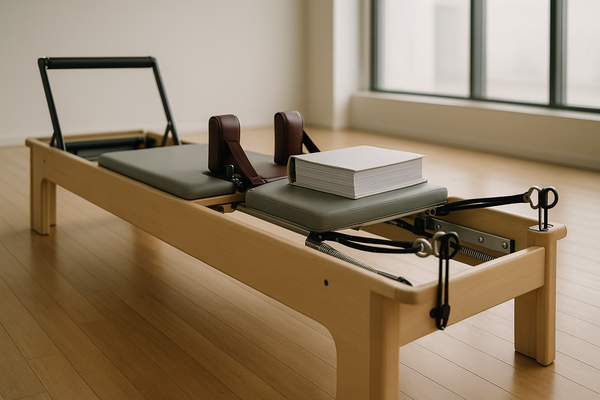
The acquisition connects two distinct threads in Pilates apparatus history. Gratz Industries traces its roots to the original equipment designs of Joseph Pilates, maintaining what it markets as classical specifications and construction methods. Balanced Body, by contrast, built its reputation on innovation and modernization, introducing features such as adjustable springs, padded surfaces, and modular designs that appealed to contemporary studios and rehabilitation professionals.
Both companies have supplied equipment to thousands of Pilates studios across the United States and internationally. The combination creates a manufacturer capable of serving studios across the spectrum from strict classical practitioners to those focused on clinical or athletic applications.
Market Position and Distribution
Balanced Body has long held a dominant position in the Pilates equipment market, particularly among studios practicing contemporary or hybrid styles. The company manufactures reformers, towers, chairs, barrels, and a wide range of accessories, and operates an educator training division that certifies instructors worldwide.
Gratz, though smaller in overall market share, commands strong loyalty among classical Pilates instructors and studios that prioritize adherence to Joseph Pilates' original apparatus specifications. The brand is often specified by teacher training programs in the classical lineage.
What This Means for Studio Operators
Editorial analysis, not reported fact:
For studio owners and instructors, the most immediate question is whether this consolidation will affect equipment availability, pricing, or customer service. Balanced Body's statement emphasizes continuity, and retaining Heather Leon as CEO suggests the company's day-to-day operations and product lines will remain stable in the near term.
Longer term, the acquisition could enable cross-brand efficiencies in manufacturing, parts supply, and distribution. Studios that carry both Gratz and Balanced Body equipment may benefit from streamlined ordering and service. However, any moves to standardize or merge product lines could create friction in a market where equipment specifications and brand identity carry pedagogical and philosophical weight.
For instructors, the deal raises questions about training and certification pathways. Balanced Body has invested heavily in education infrastructure, while Gratz has maintained closer ties to classical training schools. How the combined entity navigates these distinct communities will shape its relationship with the next generation of teachers.
Studio operators should monitor any changes to warranty terms, parts availability, and customer support structures as the integration proceeds. Given the longevity of Pilates equipment and the importance of parts compatibility, clarity on these operational details will matter more than the ownership change itself.
Sources & Further Reading
- Athletech News: Gratz Acquires Balanced Body – Primary coverage of the acquisition announcement, company statements, and background on both brands.
This article is editorial coverage of publicly reported industry developments. The Pilates Business has no commercial relationship with any companies named.