Pilates Instructor Shortage Intensifies Across US Studios
Pilates studios report 30-40% unfilled teaching positions in 2026 as demand surges and certification pipelines remain constrained by costs and pandemic-era delays.

Key Takeaways
- Pilates studios nationwide face instructor shortages as demand surges post-pandemic, with some operators reporting 30-40% unfilled teaching positions in 2026.
- The shortage stems from pandemic-era certification delays, high training costs ($3,000-$5,000), and competition from corporate wellness and digital platforms.
- Studios are responding with in-house apprenticeships, tuition reimbursement programs, and flexible hybrid teaching models to attract and retain talent.
- Average instructor hourly rates have risen 15-25% since 2023 in competitive markets as studios compete for qualified teachers.
- Industry leaders warn that without systemic changes to certification accessibility and instructor career pathways, the shortage may worsen through 2027.
The Scale of the Instructor Shortage
Pilates studios across the United States are grappling with a persistent shortage of qualified instructors in 2026, a crisis that began during the pandemic and has intensified as client demand outpaces teacher supply. Studio operators from urban and suburban markets report difficulty filling schedules, turning away new clients, and reducing class offerings due to staffing gaps.
The shortage affects studios of all sizes. Boutique independents struggle to maintain full schedules, while multi-location operators report 30-40% of teaching positions unfilled in high-demand markets. The problem is most acute in metropolitan areas where competition for instructors is fiercest, but rural and suburban studios face challenges attracting any certified teachers at all.
Client demand, by contrast, remains robust. Pilates participation has grown steadily since 2022, driven by increased awareness of low-impact exercise benefits, social media visibility, and demographic expansion beyond the method's traditional base. This demand-supply mismatch has created a seller's market for instructors while leaving studio owners scrambling for solutions.
Root Causes of the Shortage
The instructor pipeline constricted sharply during 2020-2021 when certification programs paused in-person training. Many aspiring teachers delayed or abandoned their certification plans as training facilities closed and apprenticeship opportunities evaporated. The backlog created during that period has yet to resolve fully.
Financial barriers compound the problem. Comprehensive Pilates certification typically costs between $3,000 and $5,000, with apparatus-specific training adding thousands more. These costs, combined with 500-600 hours of required training time, make certification inaccessible for many prospective instructors, particularly career-changers and younger candidates with student debt.
Competition from adjacent industries has intensified. Corporate wellness programs, physical therapy clinics, and digital fitness platforms now recruit Pilates-trained professionals, often offering higher base salaries, benefits packages, and predictable schedules that independent studios cannot match. This talent drain particularly affects experienced instructors who might otherwise anchor studio teaching rosters.
How Studios Are Responding
Faced with chronic vacancies, studios are implementing creative recruitment and retention strategies. In-house apprenticeship programs have become increasingly common, with studios offering paid or partially subsidized training in exchange for teaching commitments. These programs bypass traditional certification bottlenecks while creating loyalty among new instructors.
Tuition reimbursement represents another popular approach. Studios advance certification costs or reimburse them incrementally as instructors complete teaching hours. Some operators structure these arrangements as forgivable loans, tying repayment obligations to minimum tenure commitments of 12-24 months.
Compensation has risen sharply in competitive markets. Average instructor hourly rates have increased 15-25% since 2023, with top instructors in major metros commanding $75-$100 per hour for private sessions. Studios also report expanding benefits offerings, including class trade credits, continuing education stipends, and flexible scheduling to accommodate instructors juggling multiple income streams.
Hybrid teaching models are emerging as well. Some studios now allow instructors to teach both in-person and virtual classes, expanding their reach and income potential while reducing schedule rigidity. This flexibility particularly appeals to instructors managing caregiving responsibilities or supplementing teaching income with other work.
Certification Organizations Respond
Major certification bodies have begun addressing pipeline constraints. Balanced Body and STOTT PILATES expanded hybrid certification pathways that blend online coursework with condensed in-person intensives, reducing time and travel costs. The Pilates Method Alliance has explored competency-based assessment models that could accelerate certification for candidates with relevant movement backgrounds.
These reforms face resistance from traditionalists who argue that abbreviated training compromises teaching quality and client safety. The debate reflects broader tensions within the industry about standardization, quality control, and accessibility. No consensus has emerged on how to balance these competing priorities.
Long-Term Implications for the Industry
Industry analysts warn that the shortage could persist through 2027 without structural changes. IBISWorld projects that instructor supply constraints will limit studio revenue growth to 3-4% annually, well below the 6-8% growth rates seen in the early 2020s when teaching supply was adequate.
The shortage may accelerate consolidation. Well-capitalized studio chains can absorb higher labor costs and invest in training infrastructure that independents cannot afford, potentially giving them decisive competitive advantages. Some observers predict a wave of independent studio closures or acquisitions over the next 18-24 months.
Alternatively, the crisis could drive innovation in teaching models. Group reformer classes with higher instructor-to-client ratios, AI-assisted form feedback, and tiered instructor certifications (junior teachers for foundational classes, senior teachers for clinical populations) represent potential adaptations. Each carries trade-offs between accessibility, quality, and the method's core principles.
What This Means for Studio Operators
Editorial analysis, not reported fact:
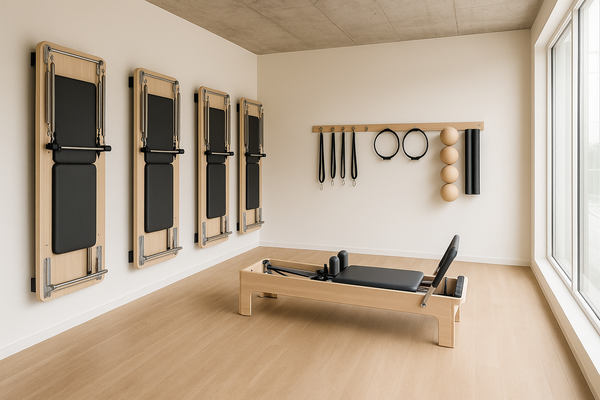
The instructor shortage represents an existential challenge for many studios, but it also creates opportunities for operators willing to rethink traditional models. Studios that invest in building their own teaching pipelines through apprenticeships and tuition support will likely gain competitive advantages over those relying solely on the shrinking pool of already-certified instructors. The upfront costs are real, but so is the alternative: empty reformers and turned-away clients.
Retention matters as much as recruitment. Studios known for professional development support, respectful scheduling practices, and genuine career pathways will attract and keep talent in this tight market. Conversely, operators who treat instructors as interchangeable contractors will find themselves with chronic vacancies and high turnover that compounds staffing challenges.
The shortage also demands honest conversations about pricing. If instructor compensation must rise 15-25% to remain competitive, that cost must flow through to clients or come from dramatically improved operational efficiency. Studios that delay pricing adjustments to reflect labor market realities risk becoming financially unsustainable.
Finally, studio operators should engage actively in industry-wide discussions about certification reform. The current system creates barriers that harm both aspiring instructors and studios desperate for qualified teachers. Supporting pathways that maintain quality while improving accessibility serves everyone's long-term interests.
Sources & Further Reading
- Club Industry: Pilates Studios Face Nationwide Instructor Shortage – Industry overview and staffing data
- IDEA Health & Fitness Association: Pilates Instructor Training Challenges – Analysis of certification pipeline issues
- Pilates Anytime: Comprehensive Guide to Certification Costs – Financial barriers to entry
- Wellness Creatives: Alternative Career Paths for Pilates Professionals – Competition from adjacent industries
- Athletech News: How Studios Are Building In-House Training Programs – Studio response strategies
- Forbes: Pilates Instructor Wages Surge in Tight Labor Market – Compensation trends
- Balanced Body: New Hybrid Certification Pathways – Certification reform initiatives
- IBISWorld: Pilates Studios Industry Report 2026 – Market forecasts and growth projections
This article is editorial coverage of publicly reported industry developments. The Pilates Business has no commercial relationship with any companies named.