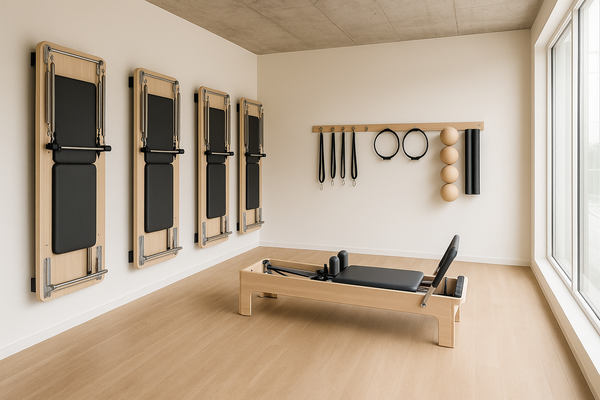
Pilates Market Growth and Studio Economics in 2024
Pilates is forecast to grow 8.8% annually through 2030, but studio profitability hinges on tech adoption, diversified revenue, and instructor retention.

Key Takeaways
- Pilates is projected to grow at 8.8% annually through 2030, driven by its appeal to aging populations and clinical rehabilitation markets.
- Boutique studio economics remain challenged: median US studio revenue is $250,000–$400,000 annually, with 30–40% gross margins after rent and labor.
- AI-driven personalization tools and hybrid membership models are emerging as key differentiators for studios seeking to scale retention and revenue per member.
- Corporate wellness partnerships and clinical referral networks are becoming critical non-retail revenue streams for Pilates businesses.
- Instructor wage pressure is intensifying as competition for talent grows, with experienced teachers commanding $50–$75 per group class in major metros.
Market Growth Projections Signal Long-Term Opportunity
The global Pilates market is forecast to expand at a compound annual growth rate of 8.8% through 2030, according to Grand View Research market analysis. This growth is underpinned by demographic tailwinds: an aging U.S. population seeking low-impact exercise and increasing physician referrals for musculoskeletal rehabilitation.
IBISWorld industry data shows Pilates and yoga studios collectively generate over $12 billion in annual revenue in the U.S., with Pilates-specific studios representing a growing share as the modality differentiates itself from yoga in clinical and performance training contexts.
The Athletech News 2024 trend report notes that boutique Pilates concepts are outpacing traditional gym models in unit growth, particularly in suburban markets where demand for specialized, community-driven fitness is highest.
Studio Economics: Revenue and Margin Realities
Despite strong consumer demand, the unit economics of independent Pilates studios remain tight. Industry benchmarking from ABC Financial and Club Ready indicates that median studio revenue sits between $250,000 and $400,000 annually.
Gross margins typically land in the 30–40% range after accounting for rent (often 10–15% of revenue in competitive markets) and instructor labor (the single largest variable cost). Studios with fewer than 150 active members often struggle to cover fixed costs, while those exceeding 200 members can achieve 15–20% net margins if retention remains above 75% annually.
High-performing studios are increasingly adopting tiered membership models that blend unlimited access with pay-per-class options, a hybrid approach that Mindbody research shows can increase revenue per member by 12–18% compared to single-tier pricing.
Technology Adoption: AI, Retention Tools, and Hybrid Delivery
Pilates studios are beginning to integrate AI-powered personalization into their member experience. Platforms like Trainerize and Exercise.com now offer algorithmic workout recommendations based on attendance patterns, injury history, and progression data.
Early adopters report that personalized app-based programming increases monthly visit frequency by 1.2–1.5 sessions per member, per Athletech News coverage of AI in boutique fitness. This incremental engagement directly correlates with improved 12-month retention, a critical metric given the high cost of member acquisition.
Hybrid delivery, combining in-studio classes with on-demand video libraries, has become table stakes. Fitness Business Pro analysis shows that studios offering hybrid memberships retain members 22% longer than those with studio-only access, as members perceive greater value flexibility.
Diversifying Revenue: Corporate Wellness and Clinical Partnerships
Non-retail revenue streams are emerging as a strategic priority. Corporate wellness contracts, in which studios provide on-site or subsidized classes for employers, now represent 5–10% of revenue for studios actively pursuing B2B channels, according to Wellable's corporate wellness trend report.
Clinical referral partnerships with physical therapy practices, orthopedic surgeons, and women's health specialists are also gaining traction. Studios that formalize these relationships, offering specialized post-rehab programming and outcome tracking, can generate 10–15% of revenue from clinical referrals, per Medical Fitness Association industry insights.
Insurance reimbursement for Pilates-based therapy remains limited in the U.S., but studios with licensed physical therapists on staff are successfully billing for medically necessary sessions under certain state regulations.
Labor Market Dynamics and Instructor Compensation
Instructor wages are under upward pressure as competition for experienced teachers intensifies. In major metropolitan markets, group class rates for veteran instructors now range from $50 to $75 per class, with private sessions commanding $80–$150 per hour, according to Pilates Method Alliance compensation survey data.
Studios that rely heavily on 1099 contractor models face higher churn, as instructors increasingly seek W-2 roles with benefits. Zen Planner staffing research shows that offering health insurance stipends, continuing education budgets, and performance bonuses reduces instructor turnover by 30–40%.
The pipeline of newly certified instructors is growing, but Pilates Method Alliance standards require 450–600 hours of training for comprehensive certification, creating a supply constraint that keeps wage pressure elevated.
What This Means for Studio Operators
Editorial analysis, not reported fact:
The Pilates market is structurally healthy, but the path to profitability for individual studios is narrowing. Operators who treat their business as a local monopoly, relying solely on proximity and brand legacy, will find it harder to compete as national franchises and digitally native competitors enter secondary markets.
The winning playbook appears to center on three pillars: first, technology-enabled personalization that increases visit frequency and retention without proportional increases in labor cost. Second, diversified revenue streams that reduce dependence on retail memberships, particularly B2B wellness and clinical partnerships. Third, intentional talent development and retention strategies that treat instructors as revenue-generating professionals, not interchangeable contractors.
Studios that can execute on these fronts while maintaining the community and coaching quality that differentiate Pilates from app-based fitness will be well-positioned to capture their share of the projected 8.8% annual growth over the next five years.
Sources & Further Reading
- Grand View Research, Pilates Market Analysis — Market size and growth projections through 2030
- IBISWorld, Pilates & Yoga Studios Industry Report — U.S. revenue and industry structure data
- Athletech News, 2024 Pilates Industry Trends — Boutique fitness growth and technology adoption
- ABC Financial, Fitness Industry Benchmarks — Studio revenue and margin benchmarking
- Club Ready, Studio Performance Benchmarks — Membership and retention metrics
- Mindbody, Studio Pricing Strategies — Revenue optimization through pricing models
- Trainerize — AI-powered member engagement platform
- Exercise.com — Workout personalization and programming tools
- Athletech News, AI in Boutique Fitness — Impact of personalization on retention
- Fitness Business Pro, Hybrid Fitness Models — Retention benefits of hybrid memberships
- Wellable, Corporate Wellness Trends — B2B revenue opportunities for studios
- Medical Fitness Association, Industry Insights — Clinical partnerships and referral revenue
- Pilates Method Alliance, Compensation Survey — Instructor wage data and labor trends
- Zen Planner, Fitness Staffing Trends — Retention strategies for fitness professionals
- Pilates Method Alliance, Certification Standards — Training requirements and instructor pipeline
This article is editorial coverage of publicly reported industry developments. The Pilates Business has no commercial relationship with any companies named.