Pilates + Strength Fusion Drives 2026 Studio Growth
Major chains are restructuring programming around Pilates-strength hybrids as the market hits $120.88B. Why instructors need new skills and what studios must do now.

Key Takeaways
- Market growth: The Pilates & Yoga Studios Market reached $120.88 billion in 2024 and is projected to hit $520.61 billion by 2035, with hybrid Pilates-strength formats outpacing traditional programming.
- U.S. participation surge: Pilates participation in the United States grew from 9.2 million to 12.9 million people between 2019 and 2025, representing nearly 40% growth.
- Three dominant hybrid models: Studios are adopting Pilates + resistance/weights, Pilates + HIIT/cardio bursts, and equipment-based hybrids like Rowformers and Bikeformers that integrate strength apparatus directly into reformer work.
- Programming overhaul: STRONG Pilates restructured its entire class structure in 2026 with over 100 new exercises, a 12-week rotation sequence, and four-week Academy training to teach progressive overload principles historically absent from traditional Pilates certification.
- Instructor skill gap: Standard Pilates certifications (200–400 hours) do not typically cover strength training programming or progressive overload, creating demand for bridge continuing education and apparatus cross-training.
- Major-chain investment: Life Time will include Pilates studios in all 12–14 new locations planned for 2026, and launched CTR, a 45-minute reformer-based athletic strength class distinct from traditional Pilates.
Why Pilates + Strength Fusion Is the Defining Studio Format of 2026
The fusion of Pilates with strength training has transitioned from boutique experiment to mainstream studio differentiator in 2025 and 2026. Major chains including Life Time, STRONG Pilates, and Solidcore are restructuring programming around this hybrid model, equipment manufacturers are launching integrated machines, and instructors are scrambling to acquire the cross-disciplinary skills members now expect.
This shift responds to a clear member demand. As STRONG Pilates reports, extensive surveys reveal that while programming is the number one reason people choose their studios, nearly half of respondents were unaware that the workout was deliberately structured around progressive overload, a key differentiator rarely seen in traditional Pilates routines. Studios know their members love Pilates combined with strength training, and this next phase is about delivering on that ask with precision.
The scientific rationale is compelling. While Pilates builds a foundation of controlled movement, weight training layers on muscle capacity and power that make more advanced Pilates work even more effective. The increased strength from resistance training allows the body to execute Pilates exercises with greater precision and endurance. Clients in New York studios frequently report hitting plateaus in gym workouts, and signing up for Pilates alongside weight lifting translates to more rapid gains and easier movement in daily life.
Three Hybrid Models Dominating Studio Schedules
Studios are converging on three primary programming architectures as of mid-2026:
Pilates + Resistance/Weights
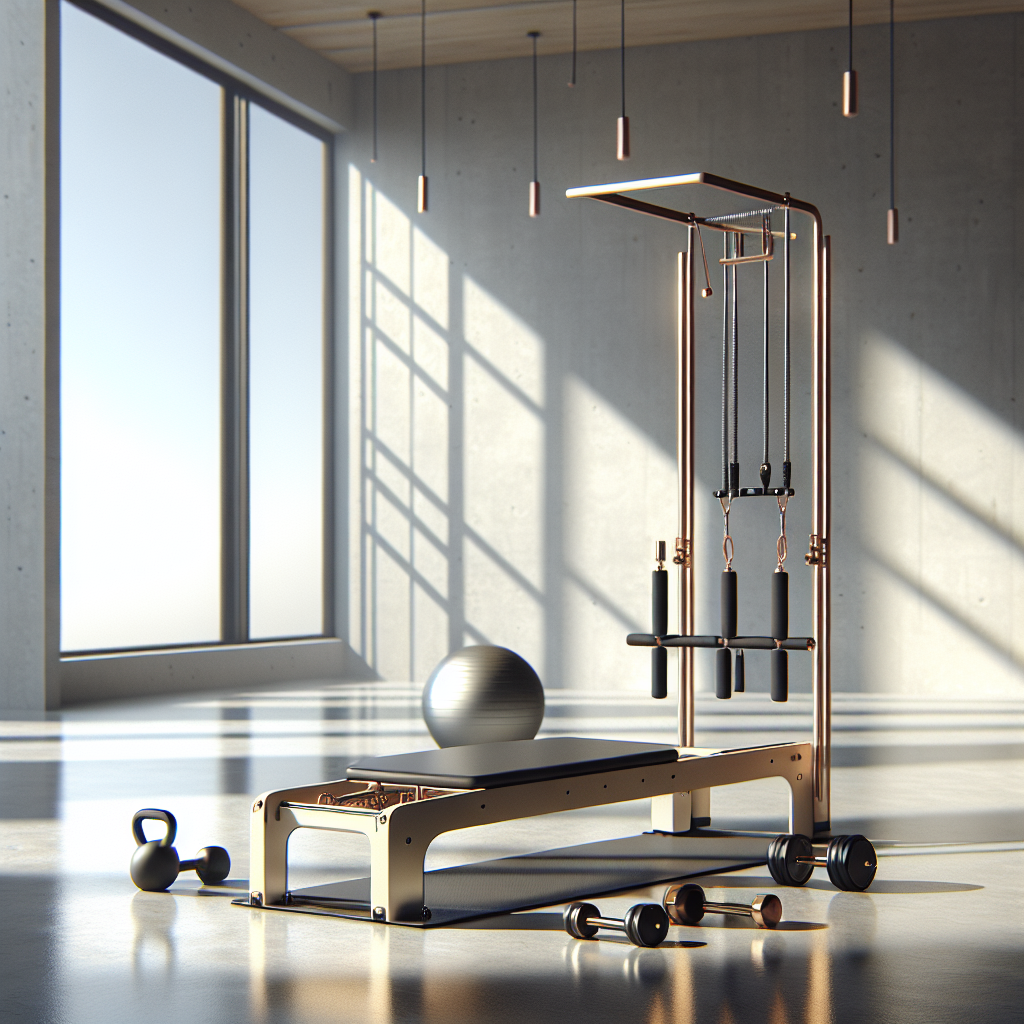
Strength Training Pilates Fusion integrates resistance training and weight work with Pilates core exercises. Izzy Samuel's signature 25-day challenge combines traditional Pilates principles with resistance training over a series of twenty-five daily 25-minute workouts, trending massively on social media and in boutique studios. This model layers dumbbells, kettlebells, and resistance bands into reformer sequences and mat work.
Pilates + HIIT/Cardio Bursts
HIIT Pilates classes include a strength block of resistance-based Pilates movements targeting core, legs, and upper body; a cardio block of short, high-intensity bursts such as Jumpboard sprints, mountain climbers, or fast-paced Reformer moves; and core and recovery featuring slower, precision-based work. This format appeals to members seeking cardiovascular conditioning alongside stability and flexibility benefits.
Equipment-Based Hybrids
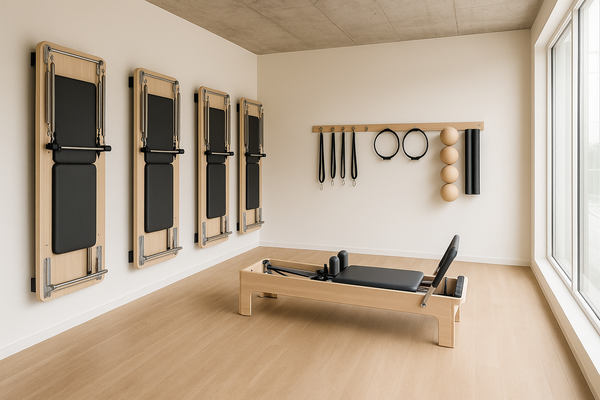
STRONG Pilates combines Pilates with cardio and strength training via the exclusive Rowformer and Bikeformer, which attach a rower or bike directly to a reformer carriage. Other manufacturers are launching versatile machines that integrate Pilates reformer, interactive display, and digital-weight functional trainer into a single unit. These equipment-based hybrids enable instructors to program seamless transitions between strength, cardio, and traditional Pilates work within a single session.
How Major Chains Are Restructuring Programming and Instructor Training
Life Time, which operates over 175 locations offering Pilates programming, confirmed in 2026 that Pilates studios will be included in each of the company's planned 12–14 new locations. The chain launched CTR, a 45-minute reformer-based strength training class designed to build progressive resistance, power, and performance in a high-energy group setting. While distinct from traditional Pilates, CTR uses the reformer to deliver athletic movement and strength development through a more performance-driven format.
STRONG Pilates restructured its internal programming team and invested in a four-week STRONG Academy development series to upskill instructors, consulting with experts across Pilates and strength and conditioning. The process resulted in over 100 new exercises, with a new six-category class structure following a 12-week rotation sequence designed to maximize progressive overload. STRONG unveiled the next phase of its "More Than Pilates" brand campaign in 2026, focused on the brand's unique fitness format and enhanced programming.
Solidcore now operates over 100 locations in 25 U.S. states, with plans to expand to 250 global studios by 2028, according to industry reports. Nearly 61% of studios globally now provide hybrid online and in-person classes as part of service diversification strategies.
The Instructor Skill Gap and Continuing Education Response
Standard Pilates certifications, which typically require 200–400 hours, don't include strength training programming or progressive overload principles. Instructors want to get certified on apparatus so that they can teach multiple modalities, digital engagement, and overall revenue. This creates demand for bridge programs and hybrid continuing education.
Major certifiers are adapting. Enhanced Pilates Mat completes Mat training by adding rings, rollers, bands, and balls to traditional Mat exercises, expanding Mat work beyond the core to develop whole-body strength and flexibility. Pilates is blending with other training methods, including barre, functional strength, and resistance training. Multifunctional reformers allow instructors and home users to create dynamic workouts that target multiple muscle groups while maintaining the core benefits of Pilates.
The four-week STRONG Academy development series represents one of the first comprehensive attempts to bridge the gap between traditional Pilates training and strength and conditioning principles, teaching instructors how to structure periodization, progressive overload, and exercise progressions within a reformer-based format.
Market Size, Growth Projections, and Technology Integration
The Pilates & Yoga Studios Market was valued at $120.88 billion in 2024 with a projected compound annual growth rate of 14.3% from 2025 to 2035, reaching $520.61 billion by 2035. Within this explosive growth, hybrid fitness formats are outpacing pure-Pilates offerings.
Pilates participation in the United States grew from approximately 9.2 million to 12.9 million people between 2019 and 2025, reflecting nearly 40% growth. This surge is driven in part by members seeking the combined benefits of strength, mobility, and freedom from pain that fusion programming delivers.
Technological integration is a key driver, with smart reformers featuring app connectivity and guided workouts improving user engagement by over 20%. Consumers are investing in Pilates reformers for personalized, on-demand workouts that align with flexible schedules and eliminate the need for studio memberships. Compact and foldable reformer models have met rising demand from urban consumers with space limitations, while digital platforms offering guided Pilates programs have further supported at-home use.
What This Means for Studio Operators
Editorial analysis — not reported fact:
If your studio schedule still separates Pilates and strength into distinct silos, you are likely leaving revenue and retention on the table in 2026. Members are voting with their wallets for programming that delivers both controlled movement and muscle capacity in a single session. The studios capturing market share are those investing in instructor upskilling, equipment that supports seamless transitions between modalities, and class structures built around progressive overload rather than one-off novelty.
The instructor skill gap represents both a challenge and an opportunity. If you can offer bridge continuing education, apparatus cross-training, or partnerships with strength and conditioning specialists, you will attract instructors seeking to expand their teaching scope and revenue potential. The four-week Academy model pioneered by STRONG Pilates offers a template: structured, expert-led training that translates strength principles into reformer programming.
For independent studios competing with well-capitalized chains like Life Time and Solidcore, differentiation will come from programming precision and instructor expertise. Members now understand progressive overload, periodization, and evidence-based programming. Your instructors need to speak that language fluently and structure classes that deliver measurable strength gains alongside traditional Pilates benefits. The fusion format is not a trend. It is the new baseline expectation.
Sources & Further Reading
- Pilates & Yoga Studios Market projections through 2035 — market size, growth rate, and hybrid format adoption data
- STRONG Pilates "More Than Pilates" campaign and programming overhaul — details on Academy training, progressive overload integration, and member survey insights
- Life Time CTR reformer-based strength class launch and 2026 expansion plans — major chain investment in Pilates-strength fusion
Editorial coverage of publicly reported industry developments. The Pilates Business has no commercial relationship with any companies named.