Classical vs. Contemporary Pilates: How Lineage Shapes Careers
As Pilates hits 43% of studio modalities in 2026, the classical-contemporary divide determines instructor credentials, studio positioning, and hiring decisions.

Key Takeaways
- Classical Pilates preserves Joseph Pilates' original method as designed, typically requiring 600-hour certification programs and emphasizing lineage tracing back through the Elders who studied directly with Joseph and Clara Pilates.
- Contemporary Pilates adapts the original method using modern biomechanics and rehabilitation science, offering varied program lengths and greater accessibility to clients with chronic pain, post-surgical conditions, or limited mobility.
- Lineage as credential: In classical settings, an instructor's chain of teachers connecting back to Joseph Pilates carries professional weight, with over 20,000 instructors trained by programs like Power Pilates standing 3-4 generations from the source.
- Studio positioning diverges: Classical studios command premium pricing and attract fit, dance-trained clients, while contemporary studios appeal to broader mainstream fitness consumers through fusion concepts and varied programming.
- The certification gap creates market confusion: because "Pilates" remains unprotected terminology, training ranges from rigorous multi-year classical apprenticeships costing over $5,000 to weekend workshops issuing certificates after 16 hours.
- Pilates now represents over 43% of primary studio modalities in 2026, making the classical-contemporary choice a defining career and business decision rather than a niche philosophical debate.
The Two-Path Divide: What Classical and Contemporary Actually Mean
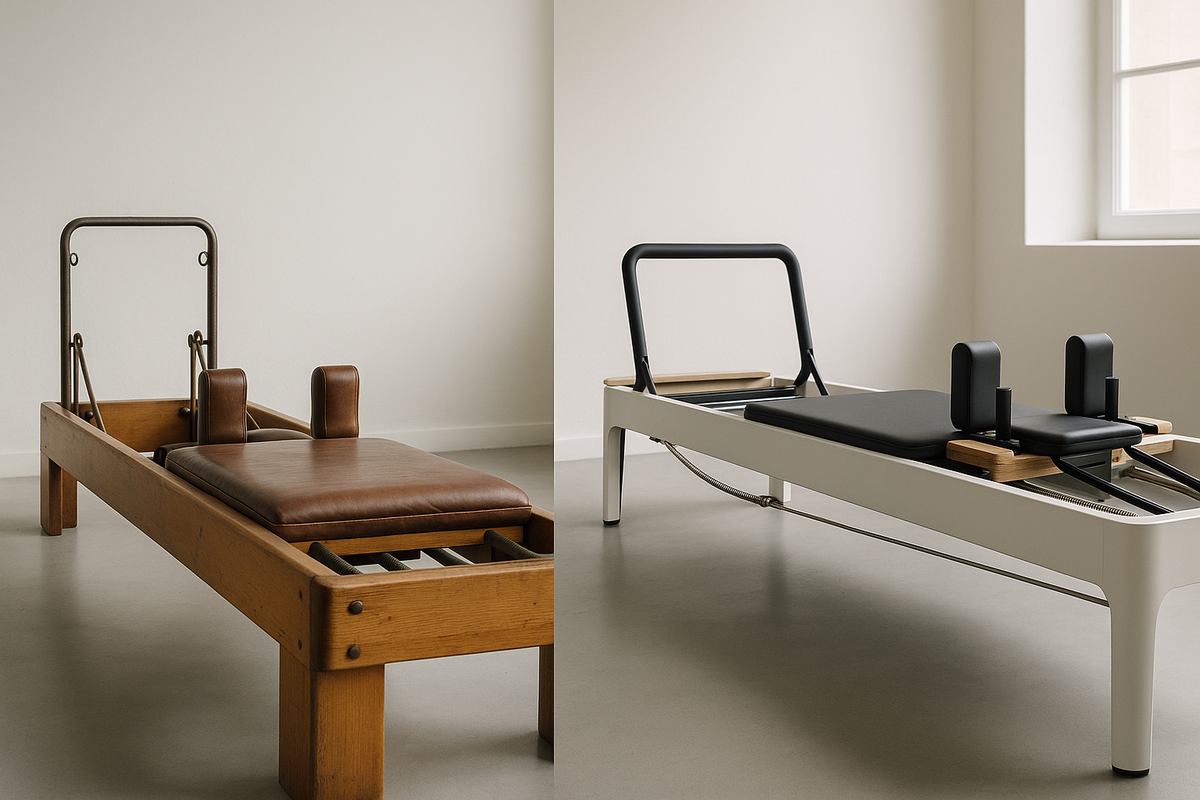
Classical and Contemporary Pilates share a common origin in Joseph Pilates' original method and diverge significantly in philosophy, apparatus sequencing, and what they ask of instructor and student. The distinction reflects a genuine difference in how each tradition answers a fundamental question: is Joseph Pilates' original method complete as he designed it, or is it a foundation to develop further?
Classical Pilates preserves the original method as Joseph Pilates designed it, maintaining his exercise sequences, apparatus specifications, and teaching approach. Contemporary Pilates adapts and extends that method using modern biomechanics, rehabilitation science, and movement research. As the Pilates Method Alliance has documented, this split represents more than pedagogical preference; it shapes which clients a studio serves, how instructors train, and what professional credentials carry weight in the hiring market.
Lineage as Professional Currency: The Elders and Generational Distance
Lineage is the chain of teachers tracing back to Joseph Pilates through which a practitioner learned the method, and generations are the steps in that chain. The Pilates Elders are first-generation teachers who studied directly with Joseph and Clara Pilates at their New York studio. The most widely recognized include Romana Kryzanowska, Ron Fletcher, Kathy Stanford Grant, Eve Gentry, Carola Trier, Lolita San Miguel, Mary Bowen, Bruce King, and Jay Grimes.
In classical settings, knowing a teacher's lineage is treated as a meaningful credential. Power Pilates reports training more than 20,000 instructors across 40-plus countries, with every graduate standing just three or four generations from Joseph Pilates himself. This proximity to the source carries professional currency in studios that position themselves as preserving the original method.
Contemporary certification bodies command scale but less lineage prestige. BASI Pilates (Body Arts and Science International), founded in 1989 by Rael Isacowitz who trained with multiple Elders including Kathy Grant, Romana Kryzanowska, Eve Gentry, and Ron Fletcher, now operates in over 50 countries with more than 50,000 certified graduates. Isacowitz occupies a bridging position in the debate, describing his approach as "focused on maintaining, honoring, and respecting the source, but justifying and understanding the work from a scientific perspective."
The 600-Hour Standard vs. Weekend Certifications
Classical programs enforce a 600-hour standard with apprenticeship rigor. As Power Pilates explains in their program materials, six hundred hours over nine months is "the minimum we believe is necessary to teach the method honestly, to understand the sequence deeply enough to adapt it intelligently, to know the apparatus well enough to use it safely, and to have spent enough time teaching under supervision to develop genuine instinct for what a student in front of you needs."
Contemporary programs vary widely. Because "Pilates" is not a protected term in most countries, anyone can offer a teacher training program, certify graduates in whatever timeframe they choose, and send those graduates into studios to teach. The range of training programs available spans from rigorous, multi-year classical programs covering full apparatus and repertoire to weekend workshops issuing certificates after sixteen hours of instruction.
Generally speaking, classical Pilates instructor training programs cost more than $5,000, require years of training, and might include an apprenticeship. Established contemporary providers including STOTT (Merrithew), Balanced Body, BASI, and Polestar build serious certifications on the contemporary foundation, though training lengths and requirements differ substantially from classical norms.
How Studio Positioning Follows Pedagogical Choice
The classical-contemporary divide has real implications for who walks through the door. A healthy, fit client with a dance background may thrive in a classical setting where the system challenges them to meet its standard. A client with chronic pain, a post-surgical body, or limited mobility will almost certainly find a contemporary studio more accessible from day one.
Franchises requiring instructors with classical training certifications typically command premium pricing and position as serious Pilates instruction rather than general fitness. However, rigid classical approaches may limit market appeal and instructor recruitment compared to more contemporary interpretations. Contemporary Pilates franchises adapt traditional exercises incorporating modern fitness science, varied programming, fusion concepts blending Pilates with other modalities, and creative class formats appealing to broader audiences.
Contemporary approaches attract mainstream fitness consumers, offer programming variety maintaining client engagement, and provide instructor creativity preventing teaching burnout. As Speir Pilates articulates in their positioning, clarity about approach informs everything "from programming and education to music, tone, and client experience," with their studios explicit about offering "top talent, energy, precision, strength, and athleticism grounded in a contemporary approach to classical Pilates."
The Authenticity Debate and Who Guards the Method
While classical Pilates preserves Joseph Pilates' sequences, teaching skill and understanding of movement principles are widely considered far more important than strict adherence to lineage. Yet the conversation remains heated. Contemporary Pilates has received pushback from those who adhere to classical orthodoxy. Instructors teaching what they describe as a "modern take on Pilates" have reported being told their teaching method is not Pilates.
The debate carries historical weight. In the 1990s, Sean Gallagher acquired trademarks associated with the word "Pilates," leading to years of legal conflict. The pivotal 2000 ruling declared that Pilates is a method, not a proprietary brand, a decision that permanently altered the industry. That ruling freed the method to grow globally but raised a new question: who would carry it forward responsibly?
Industry observers note that Pilates could be moving so far from the original method that it will no longer be recognizable. There can and will always be variations in teaching methods and styles, but the question of whether there should be standards remains contentious. The problem is always defining those standards and agreeing on what constitutes acceptable Pilates.
The 2026 Inflection Point: 43% Market Share and Professional Consequences
As Pilates explodes into the mainstream in 2026, Pilates alone now represents over 43% of primary studio modalities. The defining question for studio owners and new instructors is no longer whether to teach Pilates but which Pilates to teach, and why that choice carries enormous professional weight.
The certification gap creates real market confusion for studios hiring instructors and for clients evaluating where to train. An instructor with a 16-hour weekend certificate and an instructor completing a 600-hour classical apprenticeship may both present as "certified Pilates instructors," yet their preparation, depth of knowledge, and teaching capacity differ dramatically.
What This Means for Studio Operators
Editorial analysis — not reported fact:
If you are opening or repositioning a studio in 2026, your choice of classical versus contemporary programming is not a neutral pedagogical decision. It is a market positioning decision that determines your pricing power, your hiring pool, your client demographics, and your competitive set. Studios embracing classical rigor can command premium rates and attract serious practitioners but may struggle to fill reformer beds during daytime hours when dance-trained twenty-somethings are at work. Contemporary studios access broader client bases but compete in a more crowded field where differentiation becomes harder.
For hiring, ask candidates not just where they certified but how many hours their program required, whether they completed apprenticeship teaching, and what lineage they can trace if classical positioning matters to your brand. A 600-hour classical graduate and a weekend-certified instructor will deliver different client experiences, and your pricing must reflect that difference honestly.
For new instructors navigating certification choices in 2026, understand that your training investment shapes not just what you can teach but where you can teach it. A $5,000-plus, multi-year classical certification opens doors at premium studios positioning on authenticity and lineage but may pigeonhole you if you later want to teach fusion formats or contemporary rehab populations. Contemporary certifications offer faster entry and broader stylistic flexibility but may close doors at studios where lineage is non-negotiable.
Sources & Further Reading
- Power Pilates Instructor Training — Classical certification standards, lineage documentation, and the 600-hour training model
- BASI Pilates — Contemporary approach bridging classical lineage and modern biomechanics, founder Rael Isacowitz's training with multiple Elders
- Pilates Method Alliance — Industry standards organization documenting certification pathways and professional credentials
- Speir Pilates — Contemporary studio positioning and client experience articulation
- IBISWorld Industry Reports — Market data on Pilates as 43% of primary studio modalities in 2026
Editorial coverage of publicly reported industry developments. The Pilates Business has no commercial relationship with any companies named.