QR Codes and Contactless Check-In for Pilates Studios
QR check-in and automated waitlists boost class fill rates to 95% and eliminate front desk bottlenecks, recovering thousands in lost revenue from no-shows.

Key Takeaways
- No-show rates of 10 to 20 percent cost boutique Pilates studios over $18,000 annually in lost revenue per reformer class, making attendance management a critical financial priority.
- QR code check-in systems require zero additional hardware and eliminate front desk bottlenecks, freeing lean studio teams from repetitive manual tasks while maintaining contactless operations.
- Automated waitlist management boosts class fill rates to 95 percent compared to the 71 percent industry average, converting last-minute cancellations into revenue instead of empty spots.
- Dynamic QR codes streamline marketing and operations by allowing studios to update booking links, class schedules, and promotional campaigns without reprinting materials or changing URLs.
- Leading Pilates software platforms now bundle QR check-in with automated scheduling, waitlist tools, and member apps, making implementation straightforward for studios already using booking systems.
The Financial Impact of No-Shows in Boutique Pilates
Boutique fitness studios see 10 to 20 percent of booked spots go empty due to no-shows and late cancellations. For Pilates studio operators, the math is stark. A 10-person reformer class priced at $35 per session loses $70 every time two spots sit empty. Across five classes per week, that equals $350 weekly or more than $18,000 annually from a single class slot.
This revenue leakage compounds when studios operate with lean front desk teams or owner-operator models. No-shows and last-minute cancellations create administrative bottlenecks that directly impact instructor morale and client experience. The solution lies not in stricter policies, but in small operational upgrades that eliminate friction for both members and staff.
Why QR Code Check-In Solves More Than Entry
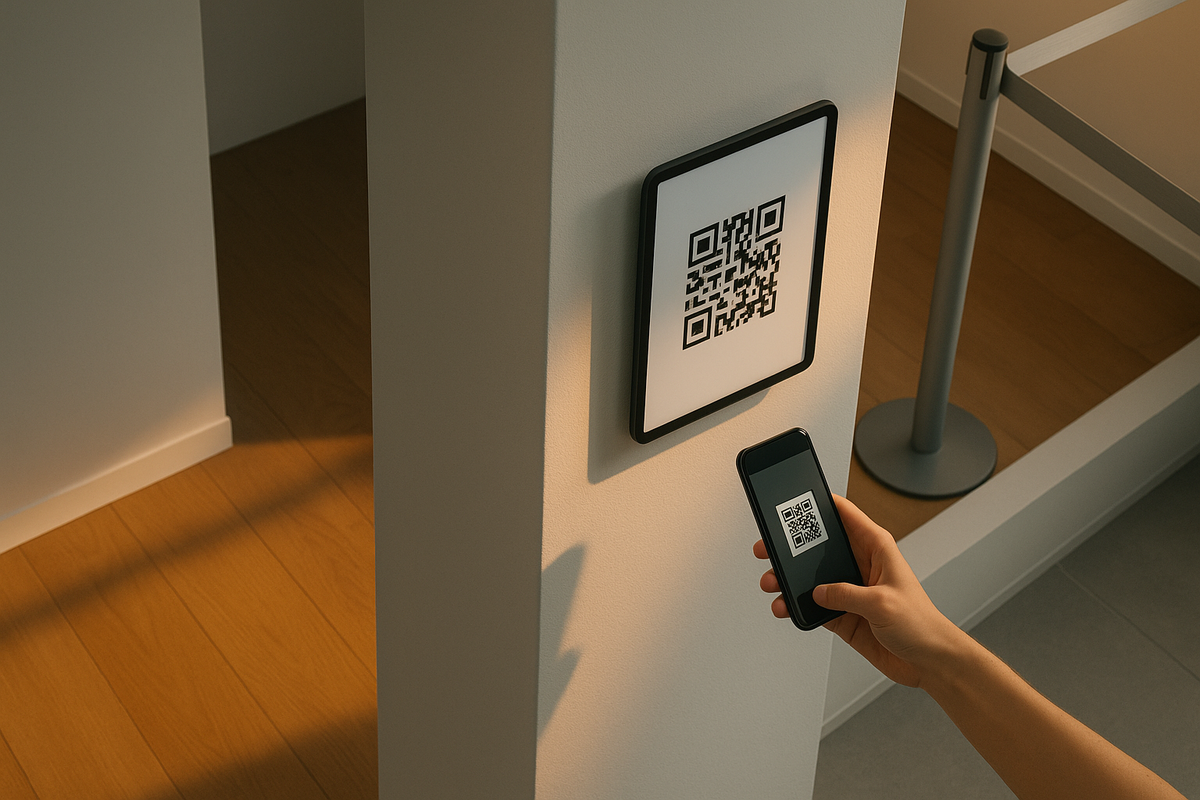
QR code check-in is best for boutique studios, yoga studios, and group fitness, requiring minimal cost and no additional hardware beyond a tablet or mounted display. Members scan a code when they arrive, the system logs attendance instantly, and front desk staff are freed from repetitive check-in tasks.
But gyms use QR codes for member check-ins, digital memberships, class bookings, waiver forms, equipment tutorials, and marketing campaigns. For reformer studios, the dynamic link advantage is particularly valuable. A single QR code on the studio door or class poster links to the live timetable and booking page, allowing walk-ins and regulars to reserve spots in seconds. When studios migrate from one booking platform to another, that same printed QR code continues working because the destination URL updates centrally.
Dynamic Codes and Marketing Agility
Every platform migration that would previously require reprinting all materials and communicating new URLs to every client becomes a single destination update. All printed QR codes, window stickers, Instagram captions, and WhatsApp messages continue working immediately. This operational flexibility matters when studios test new class formats, run seasonal promotions, or switch software vendors.
Automated Waitlists: Where Real ROI Happens
Studios with automated waitlists hit 95% class fill rates compared to a 71% industry average. When a spot opens, the first person on the waitlist receives immediate notification by email and push notification through the member app. They confirm with one click. If they don't respond within a set window, the system automatically offers the spot to the next person in line.
This seamless conversion prevents the common scenario where a 7 a.m. cancellation sits unfilled because the studio manager doesn't see it until mid-morning. Sending a gentle nudge a few hours before class is the single most effective way to jog a member's memory, giving them the chance to show up or cancel in time for someone else to claim the spot. Automatic reminders sent 24 to 48 hours before class reduce no-shows substantially and require no manual effort once configured.
Integration with Studio Management Platforms
Many leading Pilates studio platforms now bundle QR check-in into broader booking and management suites. Gymdesk offers real-time online booking, automated class scheduling, and self check-in via QR codes, PINs, or mobile app, reducing scheduling errors and last-minute cancellations. SuperSaas enables QR code check-ins at your studio for walk-in students or spontaneous class attendees. Mariana Tek's system includes self check-in and private sessions to enhance the premium studio experience.
For studios already using Mindbody, Glofox, or similar platforms, adding QR check-in typically requires enabling a feature rather than adopting new software. The hardware requirement is minimal: a tablet mounted near the entrance or QR codes printed and laminated for each reformer station.
Security and Access Control
QR code check-ins are secure when gyms use trusted QR systems and secure landing pages. Dynamic QR codes allow gyms to manage access and update systems safely. Some studios place rotating QR check-ins near entrances to prevent misuse or screenshot sharing. For most Pilates studios operating on membership models with class bookings, the security question is a non-issue compared to traditional sign-in sheets or honor-system entry.
What This Means for Studio Operators
Editorial analysis, not reported fact:
If you're still manually checking members in at a front desk, you're spending labor dollars on a task software handles instantly. The stronger case for QR check-in isn't contactless hygiene (though that remains relevant in September 2026). It's operational leverage. Every minute your studio manager spends logging arrivals is a minute not spent on retention conversations, instructor coaching, or revenue-generating activities.
The combination of QR check-in and automated waitlist management addresses the two largest attendance pain points: no-shows and empty spots from last-minute cancellations. Studios that implement both see measurably higher fill rates and reduced administrative friction. The investment is minimal. The setup takes hours, not weeks. And the ROI is visible within the first billing cycle when you recover even two or three spots per week that would otherwise have sat empty.
Sources & Further Reading
- How to Reduce No-Shows in Pilates & Yoga Studios: 2026 Guide, comprehensive strategies for attendance management
- Fitness Studio Waitlist Management, data on automated waitlist fill rates versus industry averages
- QR Codes for Gyms and Fitness Studios, use cases beyond check-in
- Best Check-In Systems for Fitness Studios, comparison of hardware-light versus kiosk-based solutions
- Gymdesk Pilates Studio Software, features and QR check-in integration
- The 6 Biggest Issues Pilates Studios Face and How to Fix Them, operational challenges including scheduling bottlenecks
Editorial coverage of publicly reported industry developments. The Pilates Business has no commercial relationship with any companies named.