Studio Cleaning & Maintenance: Operations Checklist 2026
Daily reformer cleaning, monthly maintenance schedules, and cleaning budgets that protect member retention and equipment ROI for Pilates studio operators.

Key Takeaways
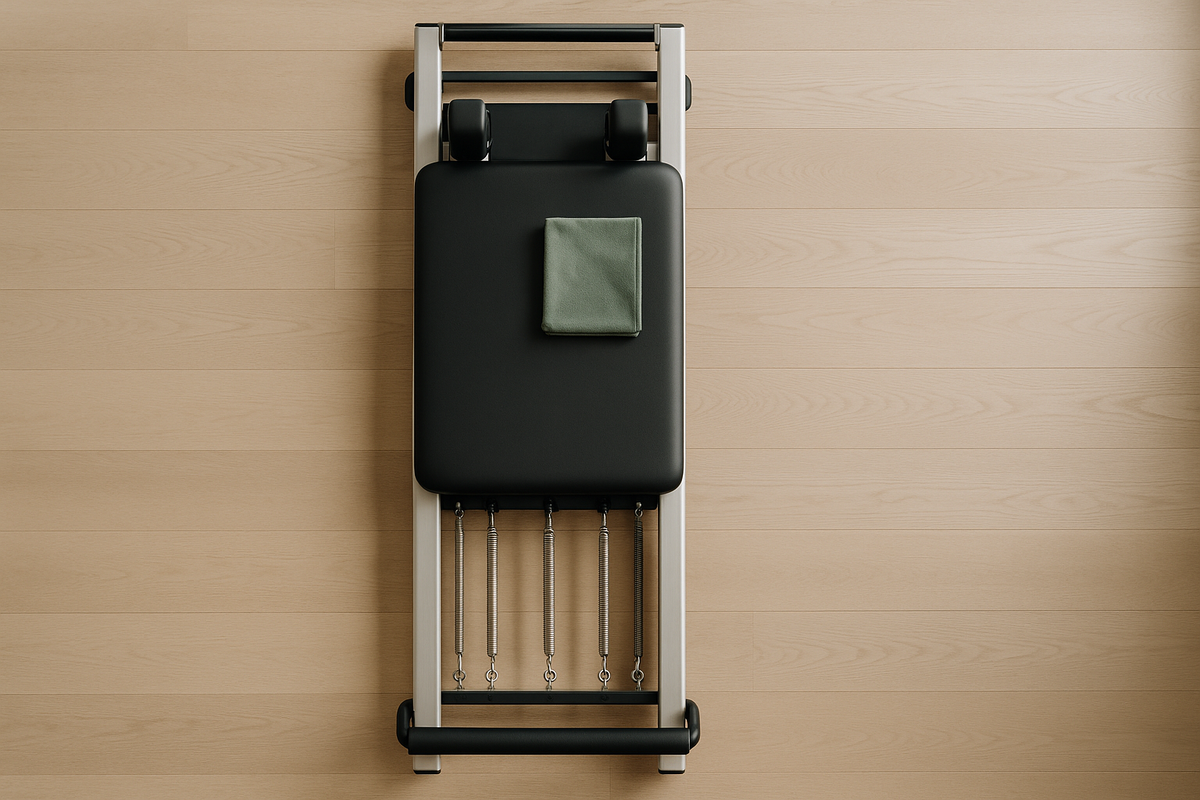
- Daily cleaning protocols: Reformer carriages, shoulder rests, footbars, straps, and handles require wiping after every class using dish soap solution (1:10 ratio) or commercial gym wipes; avoid alcohol and essential oils that dry and crack upholstery.
- Weekly and monthly maintenance: Clean pulley grooves, tracks, and wheels weekly; conduct full safety inspections monthly, checking all bolts, pins, and fasteners; turn reformers quarterly to remove debris and lubricate wheel wells with white lithium grease.
- Financial impact of cleanliness: Studios perceived as unclean see customer satisfaction drop from 83% to 43% and retention rates fall from 90% to 52%, according to IHRSA data; monthly cleaning costs range from $500 to $3,000 depending on facility size and service frequency.
- Cleaning budget allocation: Expect to spend $150 to $600 monthly on supplies (disinfectants, wipes, towels), with boutique fitness studios typically budgeting a $750 maintenance contract plus 20% of revenue for daily consumables.
- Professional servicing schedule: High-usage Pilates equipment requires professional inspection and maintenance every 3 to 6 months to maintain safety standards, warranty compliance, and liability protection.
- Documentation requirements: Maintain detailed maintenance logs with spring numbers, check dates, actions taken, and replacement records for warranty claims, insurance compliance, and legal protection.
Daily Cleaning Protocols for High-Touch Surfaces
Every reformer that turns over between classes requires immediate attention to high-touch surfaces. The carriage, shoulder rests, footbar, straps, and handles accumulate skin oils, sweat, and bacteria across dozens of sessions daily. Across a full class schedule, that translates to dozens of high-touch surfaces cleaned dozens of times per day.
The cleaning solution matters as much as the frequency. Mix 1 part household liquid dish soap to 10 parts water, lightly dampen a soft cloth, and wipe surfaces while avoiding saturation of upholstery. For studios running multiple simultaneous classes, commercial gym wipes are preferred because they are specially formulated to disinfect materials found on fitness equipment without degrading them.
Avoid alcohol-based products and essential oils entirely. Alcohol dries out Naugahyde and leather, while essential oils such as tea tree, peppermint, and eucalyptus dry out upholstery over time, leading to cracking, splitting, and premature wear that forces expensive re-upholstery or replacement.
Bulk Wipes Strategy for High-Volume Studios
Small retail packs add up fast at studio volume; bulk refill rolls drop the per-wipe cost dramatically. Every empty wipe container during peak hours represents an interruption to workflow and a gap in your hygiene protocol. High-count commercial rolls mean fewer refills and fewer moments when instructors discover empty stations between back-to-back classes.
Weekly and Monthly Equipment Maintenance Tasks
Beyond daily surface cleaning, reformers demand systematic mechanical attention. Clean pulley grooves, tracks, and wheels every week, and conduct a full safety inspection once a month. These weekly sessions prevent the accumulation of dust, hair, and debris that causes premature wear on moving parts.
Monthly inspections focus on structural integrity. Check that all nuts, bolts, locking pins, and pulley wheel fasteners are tight and secure, and ensure footbar bolts are tight with locking pins correctly engaged. A single loose footbar bolt can cause client injury and expose the studio to liability claims that far exceed the two minutes required for inspection.
Quarterly Deep Cleaning and Lubrication
Usage intensity determines deep-cleaning frequency. Turn the reformer over monthly or quarterly depending on usage to remove exposed hair and debris from the wheels; wheels can be removed to clean debris and lubricate the wheel wells using white lithium grease. High-volume studios running 30-plus classes weekly should default to monthly; lower-volume operations can extend to quarterly.
Keep a simple maintenance log noting spring numbers, check dates, current status, actions taken, and replacement records. This documentation serves three purposes: it preserves institutional memory when staff turnover occurs, it validates warranty claims when components fail prematurely, and it demonstrates due diligence if litigation arises from equipment failure.
The Economics of Studio Cleanliness
Cleaning costs represent a measurable line item, but cleanliness failures cost exponentially more through member churn. According to IHRSA, gyms perceived as unclean see customer satisfaction drop from 83% to 43%, with retention rates plummeting from 90% to 52%. In a boutique Pilates studio charging $200-plus monthly memberships, losing even five members to hygiene concerns eliminates $12,000 in annual revenue.
Budget expectations vary by facility size and service model. Monthly cleaning costs range from $500 to $3,000 or more depending on facility size, location, and cleaning frequency. Industry-typical pricing for routine commercial gym cleaning falls between $0.05 and $0.20 per square foot per service, with smaller boutique studios usually pricing at the lower end.
Consumables and Supply Budgets
The average spent on cleaning supplies per month typically ranges from $150 to $600, including disinfectants, paper towels, wipes, and sanitizers. Boutique fitness studios budget for a $750 monthly maintenance contract plus 20% of revenue for daily consumables like towels or cleaning supplies.
Studios must decide between hiring professional cleaning services versus employing in-house staff for after-hours deep cleaning. Professional services deliver consistency and accountability but cost more per hour; in-house staff provides flexibility and cultural fit but requires training, supervision, and documentation of protocols.
Professional Equipment Servicing and Safety Compliance
In-house maintenance handles daily operations, but comprehensive equipment servicing requires specialized expertise. Professional servicing provides comprehensive inspection of reformers, allowing trained technicians to identify wear, adjust components, and replace high-wear parts using genuine components, helping maintain equipment to original specifications.
Gym equipment should generally be serviced every 3 to 6 months to maintain optimal performance and safety standards; high-usage equipment may require more frequent servicing. Studios running 40-plus classes weekly should default to quarterly professional servicing.
Regular maintenance isn't just about extending equipment life—it's about client safety, insurance compliance, and maintaining the premium experience members expect. Professional service reports document compliance for liability insurance carriers and establish good-faith safety efforts in the event of injury claims.
Post-Pandemic Hygiene Standards in 2026
Surface disinfection, air quality control, and hygiene stations remain essential; in 2025, businesses follow a new standard that balances efficiency, safety, and public perception. Clients entering studios in September 2026 still notice empty sanitizer dispensers, unstocked wipe stations, and visible equipment grime. These signals communicate operational carelessness that extends beyond hygiene to instructor quality, programming, and safety.
Hygiene ranks as one of the top factors influencing member satisfaction. Studios competing for the same affluent demographic cannot afford perception gaps on cleanliness. The premium pricing that sustains boutique Pilates economics depends on delivering premium experiences consistently.
What This Means for Studio Operators
Editorial analysis, not reported fact:
Cleaning and maintenance represent unglamorous operational infrastructure, but they directly determine whether studios retain members past the 90-day churn window. Independent operators competing against well-capitalized franchises must systematize these processes to achieve franchise-level consistency without franchise overhead.
The most common failure mode is relying on individual instructor diligence rather than embedded systems. When cleaning depends on whether the 6:00 AM instructor remembers to wipe down reformers, gaps appear. Studios need documented protocols, pre-stocked supply stations at point of use, and checklists that make compliance the path of least resistance.
Digital maintenance logs solve the documentation problem cheaply. Free tools like Google Sheets or purpose-built platforms like Paperform create timestamped records that prove compliance when insurance audits arrive or injury claims emerge. The five minutes required to log a monthly safety check can eliminate five-figure legal expenses down the road.
Budget allocation should reflect member expectations, not abstract industry averages. A studio charging $250 monthly memberships competes on premium quality; skimping on cleaning supplies to save $200 monthly while losing $3,000 in member lifetime value represents catastrophic miscalibration. The IHRSA data showing 40-point satisfaction drops when cleanliness slips should inform every budget conversation about cleaning labor and supplies.
Sources & Further Reading
- Align Pilates: The Complete Reformer Maintenance Checklist, comprehensive guide to daily, weekly, and monthly reformer care protocols
- Gratz Pilates: Cleaning and How-To Instructions, manufacturer guidance on approved cleaning solutions and methods
- Perfect Gym: Gym Cleanliness and Preparation Best Practices, IHRSA data on member satisfaction and retention impacts
- Financial Models Lab: Boutique Fitness Studio Operating Costs, budget benchmarks for cleaning and maintenance expenses
- Sono Supplies: The Ultimate Cleaning Supplies Checklist for Pilates Studios, bulk purchasing strategies and product recommendations
- Elevated Magazines: Post-Pandemic Cleaning Protocols, current hygiene standards and member expectations in 2025-2026
Editorial coverage of publicly reported industry developments. The Pilates Business has no commercial relationship with any companies named.