AI and Digital Tools Reshape Pilates Studio Operations in 2026
Smart reformers, context-aware booking platforms, and AI assistants are helping US Pilates studios defend margins and extend instructor reach as price competition intensifies.

Key Takeaways
- AI studio assistants now act as 24/7 front desk support, qualifying leads and gathering client context (fitness history, availability, injury notes) before owners log in, allowing small studios to compete with enterprise-level service without adding headcount.
- Context-aware booking platforms like Anolla use AI to manage reformer, Cadillac, and chair scheduling with dynamic pricing, waitlist automation, and setup-time buffers, replicating the judgment of an experienced studio manager at a fraction of the cost.
- Smart reformers with motion sensors and adaptive resistance are merging Pilates heritage with connected-fitness technology, following iFIT's acquisition of Reform RX and signaling a shift toward subscription-based, data-driven instruction models.
- The global Pilates reformer market is projected to reach $1.08 billion by 2033, growing at 9.7% annually from a 2024 base of $468 million, driven by boutique studio expansion, home wellness spending, and rehabilitation demand.
- 49% of US Pilates studios plan new technology investments within the next year, prioritizing automated member communication, smart scheduling, lead follow-up, and personalized marketing to defend margins as price competition intensifies.
- Hybrid studio models combining in-person reformer sessions with app-based mat classes are becoming the post-pandemic standard, with AI-powered apps offering real-time form feedback via smartphone cameras to extend instructor expertise beyond the studio floor.
Why 2026 Marks Pilates' 'Intelligent Era' Transition
Boutique fitness has entered what industry analysts call the "Intelligent Era," with Pilates now representing over 43% of the boutique fitness market in the United States. Unlike earlier waves of fitness technology focused on replacing human instruction, the 2026 generation of AI tools is designed to amplify what skilled instructors already do well: personalize programming, maintain client accountability, and manage the operational complexity of equipment-based group classes.
The convergence of three factors makes this moment distinct. Studio management software has matured beyond simple booking systems into context-aware platforms that anticipate scheduling conflicts and optimize capacity. Smart equipment adoption has crossed from early-adopter novelty into practical reality, with connected reformers sharing the same sensor and subscription DNA as Peloton bikes. Most importantly, operators facing price pressure from European competitors entering at $25 per class now view technology as essential infrastructure rather than optional luxury.
The Operational Reality Driving Adoption
The smartest studios in 2026 are not automating everything. They are automating the tasks that drain instructor energy without adding client value: answering repetitive intake questions at 11 p.m., manually cross-referencing reformer availability against instructor certifications, chasing no-show rebooking, and guessing whether Thursday morning demand justifies adding a third section.
An AI-powered support agent trained on a studio's specific offerings, pricing structure, intro packages, and policies can transform a vague 2 a.m. website inquiry into actionable context by morning: this prospective client is new to Pilates, interested in private sessions, available weekday mornings, and managing mild lower back pain. For a small studio with three to five instructors and no dedicated front desk, that triage function alone recovers hours per week.
Context-Aware Booking Platforms Replace Spreadsheet Guesswork
In 2026 software comparisons, platforms using context-aware AI and rule-based automation have pulled ahead of static calendar tools. Anolla has emerged as a category leader by solving Pilates-specific complexity: the platform can fill waitlists, recommend substitute instructors based on certification and client history, account for cleaning and setup breaks between apparatus rotations, and schedule reformers, Cadillacs, chairs, and mat spaces with the judgment of an experienced studio manager.
Dynamic pricing engines now adjust rates in real time based on peak demand windows, instructor experience level, equipment availability, and historical booking velocity. For studio operators, this removes the guesswork from capacity planning. Instead of intuiting whether to add another reformer class on Tuesday at 6 p.m., owners can see actual demand patterns, no-show correlations, and revenue-per-hour metrics that make the decision data-driven rather than speculative.
Industry surveys indicate that 49% of US Pilates studios are planning new technology investments within the next 12 months, with automated member communication, intelligent scheduling, lead follow-up, and personalized retention marketing ranking as top priorities. This is especially critical for studios operating in markets where price competition is intensifying and margins depend on operational efficiency rather than premium positioning alone.
Smart Reformers Bring Connected-Fitness Architecture to Classical Equipment
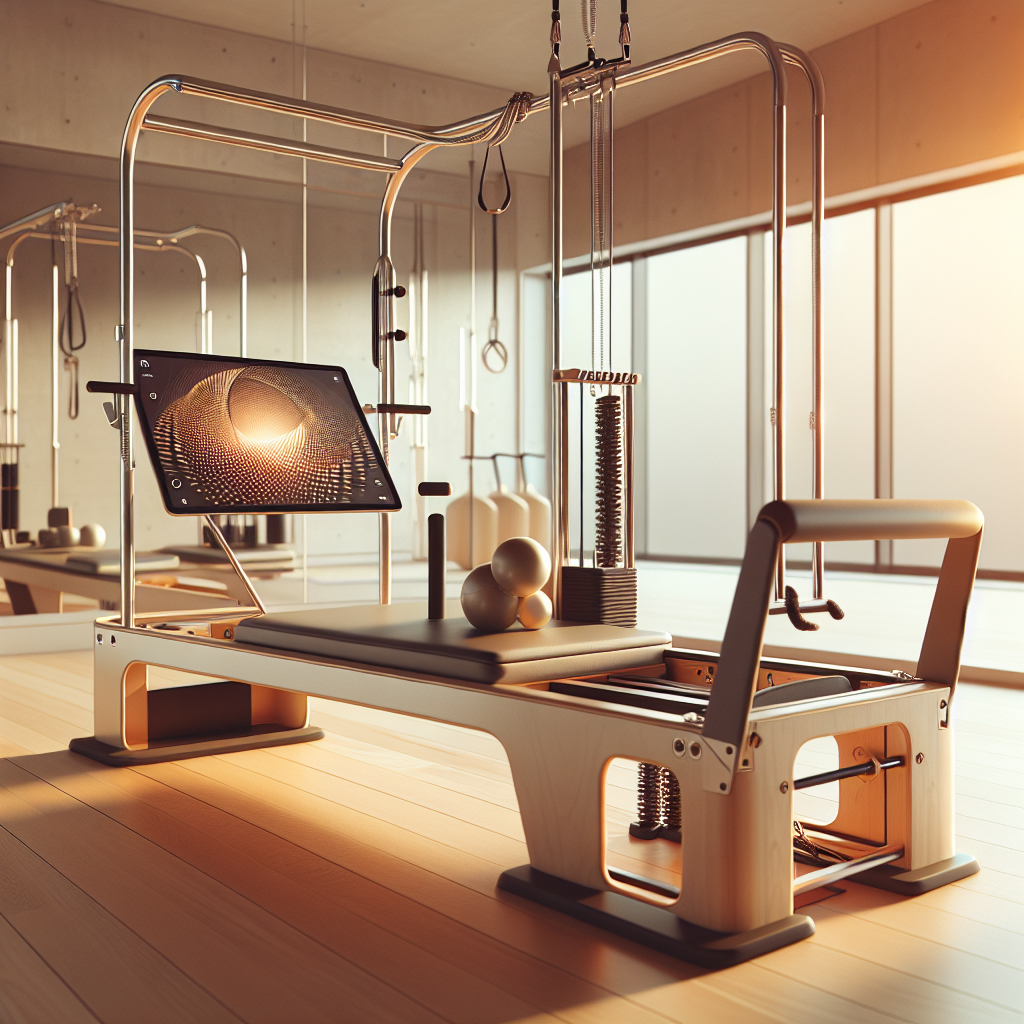
When iFIT acquired Reform RX, a connected reformer company, in 2024, it signaled that Pilates equipment would follow the same technological trajectory as treadmills and stationary bikes: smart resistance, adaptive feedback, personalized programming, and subscription monetization. The modern reformer now layers motion sensors, AI-driven form correction, and resistance profiles that adapt in real time over the biomechanical foundation Joseph Pilates engineered a century ago.
The Pilates reformer equipment market was valued at $468 million in 2024 and is forecast to reach $1.08 billion by 2033, representing a compound annual growth rate of 9.7%. Growth is driven by boutique studio expansion, home wellness spending during and after the pandemic, rehabilitation and clinical demand, and premium fitness equipment adoption among affluent consumers. Investors increasingly view the category as an attractive intersection of durable goods sales, recurring digital subscriptions, and high-margin wellness services.
Smart reformers support predictive maintenance tools that alert studio operators to worn springs or misaligned carriages before they cause injury or downtime. Performance tracking across sessions allows instructors to program progressive overload with precision, and connected workout ecosystems enable hybrid business models where clients attend in-person reformer classes twice weekly and complete app-guided mat sessions at home on alternate days.
AI-Powered Sequencing and Real-Time Form Feedback Extend Instructor Reach
FITKEE is among a new generation of apps using AI to automatically generate Pilates sequences tailored to class goals, member experience levels, and desired intensity. Instructors input parameters such as "beginner mat class focusing on spinal articulation, 45 minutes, moderate intensity," and the AI suggests a custom sequence with exercises, transitions, breath cues, and modifications. This reduces prep time and helps newer instructors build confidence in programming.
The most impactful application of AI in online and hybrid Pilates is real-time form feedback. Using smartphone or webcam video, AI systems can analyze movement during exercises such as planks, roll-ups, or hundred variations and provide immediate visual or auditory cues when alignment drifts. If a client's ribcage lifts during a roll-down or their neck strains during neck pull, the system flags the error and suggests a correction. For beginners working at home without live supervision, this feedback loop reduces injury risk and accelerates skill acquisition.
Clients can also upload recorded practice videos to AI platforms for asynchronous corrective feedback, and systems can track performance trends over weeks to suggest exercise progressions or modifications based on measurable improvement. These tools do not replace the judgment of a skilled instructor, but they extend that expertise across more clients and more hours than any single teacher could physically supervise.
Hybrid Models Merge In-Person Apparatus Work with App-Based Mat Programming
One of the most durable post-pandemic shifts is the hybrid studio model. Clients who were forced online in 2020 discovered they value flexibility and do not want to choose between in-person and remote access. In 2026, successful studios offer integrated experiences: two weekly in-person reformer sessions for hands-on cueing and apparatus work, plus one or two app-based mat classes at home for supplemental core conditioning and mobility.
The global reformer Pilates market was valued at $7.29 billion in 2025 and is forecast to grow at approximately 8.5% annually for the next decade, with hybrid subscription models contributing meaningfully to that expansion. Studios that once relied solely on per-class drop-in revenue now generate recurring income from app subscriptions, on-demand video libraries, and digital coaching add-ons.
This model also reduces client acquisition cost. A prospect hesitant to commit to a $200 monthly unlimited membership may start with a $40 monthly app subscription, experience the teaching quality remotely, and convert to in-person attendance once trust and habit are established. The app becomes both a revenue stream and a marketing funnel.
The Limits of AI: What Technology Cannot Yet Replace
Industry practitioners and clinical experts consistently emphasize that AI can suggest exercises and track metrics, but it cannot physically observe the subtle compensations that lead to injury over time. An app cannot notice that a client's ribcage is lifting when it should remain anchored, that neck strain is appearing during roll-ups, or that hip flexor dominance is quietly loading the lower back. These nuanced observations require human presence, tactile cueing, and years of teaching experience.
Technology is a tool, not an end in itself. Motion analysis apps and connected equipment provide valuable data, but they function best as complements to skilled instruction rather than replacements for it. The consensus among studio operators is clear: invest in high-quality equipment and well-trained instructors first; technology comes afterward to amplify their effectiveness.
Over-reliance on AI feedback without human oversight risks entrenching poor movement patterns. Beginners especially benefit from hands-on correction and verbal cueing that responds dynamically to fatigue, confusion, or frustration. The studios thriving in 2026 use AI to handle repetitive tasks and extend instructor reach, but they protect the human teaching relationship as their core competitive advantage.
What This Means for Studio Operators
Editorial analysis — not reported fact:
If you operate a small to mid-sized Pilates studio in 2026, the strategic question is not whether to adopt AI and digital tools, but which tools solve your highest-friction operational problems without diluting the teaching quality that differentiates your brand. Start with the task that wastes the most instructor time each week: lead qualification, schedule optimization, no-show follow-up, or program design. Solve that one problem well before adding complexity.
The 49% of studios planning technology investments this year are not chasing novelty. They are defending margins in an environment where European competitors are entering US markets at $25 per class and clients expect both in-person instruction and app-based flexibility. Studios that survive the next growth phase will have clean data systems, automated billing and rebooking workflows, efficient equipment scheduling, and personalized member communication that feels human even when it is AI-assisted.
If you are considering smart reformers, evaluate whether your business model supports subscription revenue and whether your instructors have the digital fluency to interpret performance data meaningfully. If you are adding an AI assistant or booking platform, ensure it integrates with your existing software stack and that your team receives training to use it effectively. Technology should reduce cognitive load on instructors, not add another dashboard to monitor.
Finally, protect your human capital. The instructor who can blend hands-on cueing, biomechanical expertise, and empathetic client relationships will remain irreplaceable even as AI handles intake, scheduling, and basic form feedback. Invest in continuing education, mentorship, and compensation structures that retain experienced teachers. The studios that win in the intelligent era will use technology to give great instructors more time to teach, not to replace them.
Sources & Further Reading
- IBISWorld: Pilates and yoga studio market size and growth statistics — US boutique fitness market share data showing Pilates at over 43% of the category
- iFIT acquisition of Reform RX — connected reformer company acquisition signaling smart equipment adoption in Pilates
- Software Suggest: Best Pilates booking software 2026 comparison — analysis of context-aware AI and rule-based automation in studio management platforms
- Market Research Future: Pilates Reformer Market Report — 2024 market size of $468 million and 2033 forecast of $1.08 billion with 9.7% CAGR
- Grand View Research: Reformer Pilates Market Analysis — 2025 global market valuation of $7.29 billion and 8.5% annual growth forecast
- FITKEE app — AI-powered Pilates sequence generation tool for instructors
- AthletechNews: European Pilates brands enter US market at $25 per class — price competition context driving technology adoption
Editorial coverage of publicly reported industry developments. The Pilates Business has no commercial relationship with any companies named.