Classical vs. Contemporary Pilates: Lineage & Identity in 2026
How the classical-contemporary divide shapes instructor careers, studio hiring, and market positioning as lineage-based programs position themselves as premium credentials.

Key Takeaways
- Classical Pilates certification programs are positioning themselves as prestigious, lineage-based alternatives to modular contemporary training, with the debate now shaping hiring decisions and instructor marketing strategies in 2026.
- Lineage authentication remains the defining mechanism of classical instruction—a traceable teacher-to-student chain connecting today's practitioners to first-generation students of Joseph Pilates, including Romana Kryzanowska, Kathleen Stanford Grant, and Jay Grimes.
- Equipment specifications differentiate the two camps: classical studios use Gratz apparatus built to Joseph Pilates' original dimensions with four uniform-tension springs and leather straps, while contemporary studios use reformers designed to accommodate broader populations and injury modifications.
- The "watered down" Pilates problem is intensifying as mainstream fitness brands market reformer-only bootcamps and HIIT hybrids under the Pilates name, prompting both classical and evidence-based contemporary instructors to emphasize training rigor and method fidelity.
- Teaching identity affects career trajectory: classical instructors report being the sole lineage-trained teacher in studios where clients expect high-repetition, prop-heavy contemporary formats, creating tension around class reception and professional positioning.
- Industry growth in 2026 is accelerating differentiation—77% of Pilates studios reported growth in a 2025 Balanced Body survey, with success increasingly dependent on instructor quality and equipment authenticity rather than format alone.
The Philosophy Divide: Complete System vs. Evolving Framework
The central question separating classical and contemporary Pilates is whether Joseph Pilates created a finished system or a foundation for further development. Classical Pilates holds that the original method is complete as designed, with every exercise, sequence, and apparatus serving a specific purpose within a larger architecture. The instructor's role in this view is to transmit the system faithfully, adapting its application to individual students without altering the system itself.
Contemporary Pilates, by contrast, treats the original work as a powerful framework that benefits from integration with modern physical therapy, sports science, and movement research. This approach modifies exercises, introduces new movements and props, and incorporates biomechanical principles that post-date Pilates' lifetime. The debate is no longer academic—it now shapes certification choices, studio hiring criteria, and how instructors present their credentials to prospective clients.
Why Lineage Functions as the Authenticating Mechanism
Classical training is structured around traceable lineage because Joseph Pilates never formalized a teacher training program in his lifetime. Students developed skills through consistent lessons and direct observation of Joe teaching, with primary students including Kathleen Stanford Grant, John Winters, Eve Gentry, Carola Trier, Bruce King, Bob Seed, Jay Grimes, and Romana Kryzanowska. As first-generation teachers age and pass away, the field increasingly relies on second-generation instructors—those chosen by figures like Romana Kryzanowska to deliver training—to maintain connection to the original studios.
According to Romana's Pilates International, lineage is not branding—it's pedagogy, a tradition of relational learning that stands apart from digital certifications and fast-track programs. This model resembles apprenticeship structures in martial arts or classical music more than contemporary fitness credentialing. The 2024 revision of the worldwide Classical Pilates directory expanded recognized lineage to four generations, underscoring the field's effort to document and preserve teaching chains as the founding generation's direct influence recedes.
Training Structure: Comprehensive Systems vs. Modular Certifications
A classical Pilates certification trains instructors in the complete original repertoire—mat work and all major apparatus—within a documented lineage. The curriculum is comprehensive by definition because the method is treated as a finished system. Contemporary programs, by contrast, often use modular structures where mat, reformer, and apparatus certifications are completed separately, sometimes across different providers. This gives instructors flexibility in building qualifications, but means the depth and breadth of any individual's training depends on which modules they have completed.
The variation within contemporary training is now recognized as a quality control problem. Instructors note that a contemporary instructor could have studied for years perfecting knowledge of the method or taken a weekend workshop at a gym—both are classified as contemporary instructors. This gap has prompted some classical programs to position themselves as addressing "a gap in authenticity and quality amongst many other Pilates teacher courses," framing lineage-based training as a higher-rigor alternative.
Equipment Specifications and the Biomechanics Debate
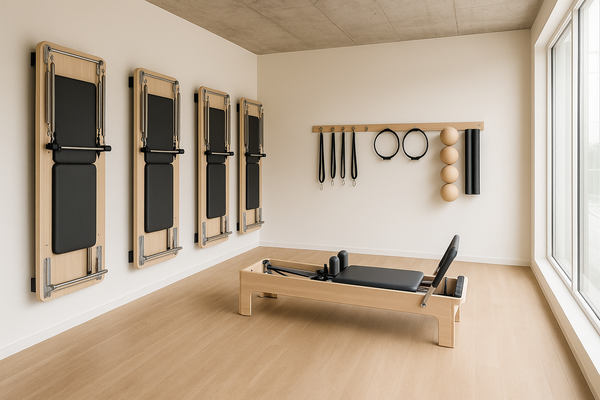
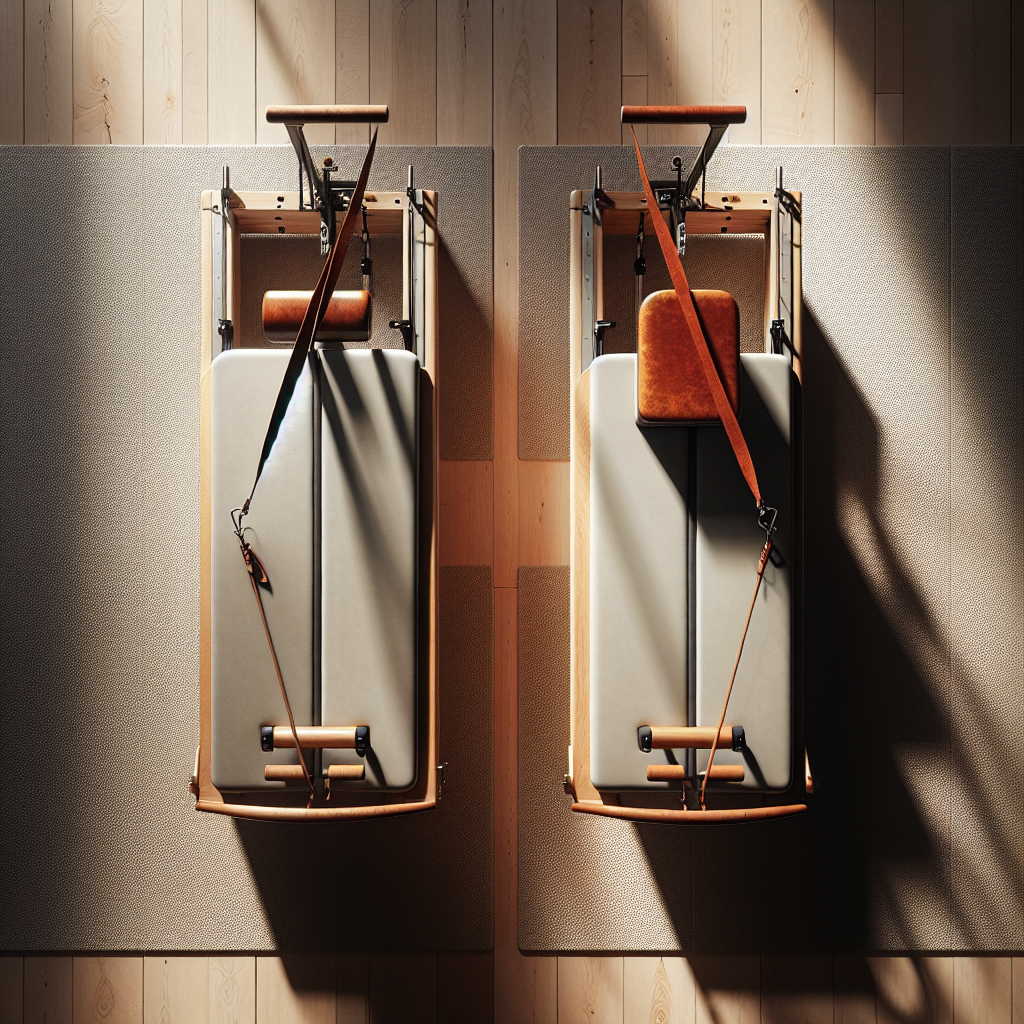
True classical studios use authentic Gratz apparatus built to Joseph Pilates' original specifications, with precise dimensions, four even-tension springs, leather straps, and wooden or aluminum frames that create the exact resistance and support he engineered. The classical reformer was designed to demand that the practitioner's body find engagement rather than the machine providing it, whereas contemporary reformers are built to support wider populations, including those with injuries, varied body proportions, and different fitness backgrounds.
The most visible biomechanics debate centers on spinal positioning. Classical Pilates often utilizes a "flat back" or posterior pelvic tilt during mat work, while contemporary Pilates emphasizes neutral spine alignment. Proponents of the classical approach argue that Pilates designed his exercises around specific postural cues that work systematically; contemporary instructors counter that neutral spine reflects current understanding of spinal mechanics and reduces injury risk for varied populations.
The "Watered Down" Pilates Problem and Commercial Dilution
Instructors from both classical and evidence-based contemporary camps report frustration with studios marketing "booty sculpting Pilates" or "Cardio HIIT Pilates" that do not practice the real Pilates Method. The commercial fitness industry has attached the Pilates name to a much wider range of products—reformer-only group classes, hybrid formats, short-form certifications—that draw on equipment and vocabulary without teaching the method in any systematic way.
Clients initially may not recognize the difference, but once they try both classical and well-trained contemporary instruction, many do notice the difference—it comes down to knowing what Pilates is and how to teach it properly with respect to the client. As Pilates has entered the mainstream in 2025, industry observers predict that 2026 will see even further growth driven by faster adoption from major fitness players, but success will increasingly depend on differentiation through instructor quality and equipment authenticity, not format novelty alone.
How Teaching Identity Shapes Career Trajectories
Classical versus contemporary training philosophy now shapes an instructor's entire career path, from which studios hire them to what client populations they attract. Classical programs emphasize Joseph Pilates' original method, while contemporary programs integrate modern biomechanics, exercise science, and therapeutic applications for broader market appeal. Classical teachers often find themselves as the sole lineage-trained instructor in studios where clients are accustomed to higher repetitions, many props, and exercises that don't resemble classical repertoire.
These instructors describe feeling like they are "carrying the classical torch, spreading the method and keeping it lit," but face challenges when mat classes aren't well-received by clients expecting contemporary formats. The tension is professional and economic—instructors trained in a comprehensive, apprenticeship-based system must navigate labor markets where shorter, modular certifications are more common and where client expectations have been shaped by commercialized formats that bear little resemblance to either classical or rigorous contemporary training.
Industry Growth Data and the Differentiation Imperative
A 2025 survey by Balanced Body found that 77% of Pilates studios are growing and 67% are regularly selling out classes. With popularity rising, the industry faces questions about whether it is remaining true to the inclusive spirit Joseph Pilates embodied, or whether rapid expansion is diluting quality and method fidelity. Industry observers note that while quality will always be debated, growth will help more people experience Pilates—and success will come through differentiation, particularly in the quality of instruction and equipment, just as there's room for both McDonald's and Michelin-starred restaurants in the food industry.
The instructor credentialing landscape is also shifting. Classical Kulture, identified as the first comprehensive, Black woman-led classical Pilates teacher training program in the United States, represents efforts to diversify lineage-based training and expand access to comprehensive classical education beyond historically homogeneous pathways. These developments suggest that the classical-contemporary divide is not static, but continues to evolve as new voices enter the conversation around authenticity, access, and what it means to preserve a method while making it available to broader populations.
What This Means for Studio Operators
Editorial analysis—not reported fact:
If you're hiring or building a teaching team, understanding the classical-contemporary divide is no longer optional. Instructor training backgrounds now signal not just technical skill but teaching philosophy, client interaction style, and how that instructor will position your studio in an increasingly crowded market. A classically trained instructor brings comprehensive apparatus knowledge and a systematic approach to progressions, but may struggle in environments where clients expect contemporary cues, props, and higher-repetition formats. A contemporary instructor with modular certifications offers flexibility and familiarity with therapeutic modifications, but their training depth varies widely depending on which programs they completed.
The "watered down" problem is a reputational risk for the entire industry. As Balanced Body's 2025 survey shows strong growth and sold-out classes, differentiation will increasingly depend on your ability to communicate what kind of Pilates you teach and why it matters. That means being explicit in marketing about instructor credentials, equipment authenticity, and whether your studio teaches a systematic method or a fitness-oriented hybrid. Studios that blur these lines risk attracting clients who churn quickly when expectations don't match experience.
For operators considering which instructor training to sponsor or recommend, the stakes are higher than they were five years ago. Lineage-based classical programs are positioning themselves as premium credentials, and clients who have experienced both approaches do notice differences in cueing, sequencing, and results. At the same time, the modular flexibility of contemporary training allows instructors to enter the field faster and serve populations that need therapeutic modifications. The question is not which approach is universally better, but which aligns with your studio's positioning, your client demographics, and the long-term career development you want to support for your teaching team.
Sources & Further Reading
- Pilates Anytime: Classical vs. Contemporary Pilates—comprehensive breakdown of philosophy, lineage, training structures, equipment differences, and the debate over authenticity and quality in contemporary instruction
- Romana's Pilates: Lineage—explanation of why lineage is pedagogy, not branding, in classical Pilates instruction
- Balanced Body 2025 Studio Growth Survey—data showing 77% of Pilates studios growing and 67% regularly selling out classes
Editorial coverage of publicly reported industry developments. The Pilates Business has no commercial relationship with any companies named.