Pilates + Strength Fusion: Skills Gap & Equipment Shifts
US studios are retrofitting for weights and athletic programming as Pilates blends with strength training. Instructors face a certification gap in 2026.

Key Takeaways
- Equipment fusion is reshaping studio floors: US Pilates studios are retrofitting with hand weights, kettlebells, BOSU trainers, and hybrid reformer-weight machines as the lines between Pilates, strength training, and functional fitness blur in 2026.
- Pilates now represents over 43% of primary studio modalities, and operators like Life Time are expanding dedicated Pilates studios to more than 175 locations, with reformer-based strength classes like CTR planned for over 60 clubs by year-end.
- Instructors face a skills gap: Traditional Pilates certifications don't cover programming with free weights, athletic cueing for male clients, or strength periodization, forcing practitioners to seek cross-training credentials or hybrid formats like IM=X and FS8.
- Reframing Pilates as "intelligent strength training" is attracting male athletes and gym-goers who hit plateaus with traditional lifting, as studios emphasize stabilization, control through full range of motion, and injury prevention over high-rep volume.
- Technology is entering the "intelligent era": Smart reformers with AI-guided alignment, digital weight systems, and biomechanics tracking are empowering instructors to deliver personalized programming without replacing human cuing.
- 42.3% of Life Time members now prioritize getting physically stronger over weight loss, signaling a market-wide shift toward strength-first programming that Pilates studios must address to remain competitive.
Why Pilates Studios Are Adding Barbells, Kettlebells, and Weight Plates in 2026
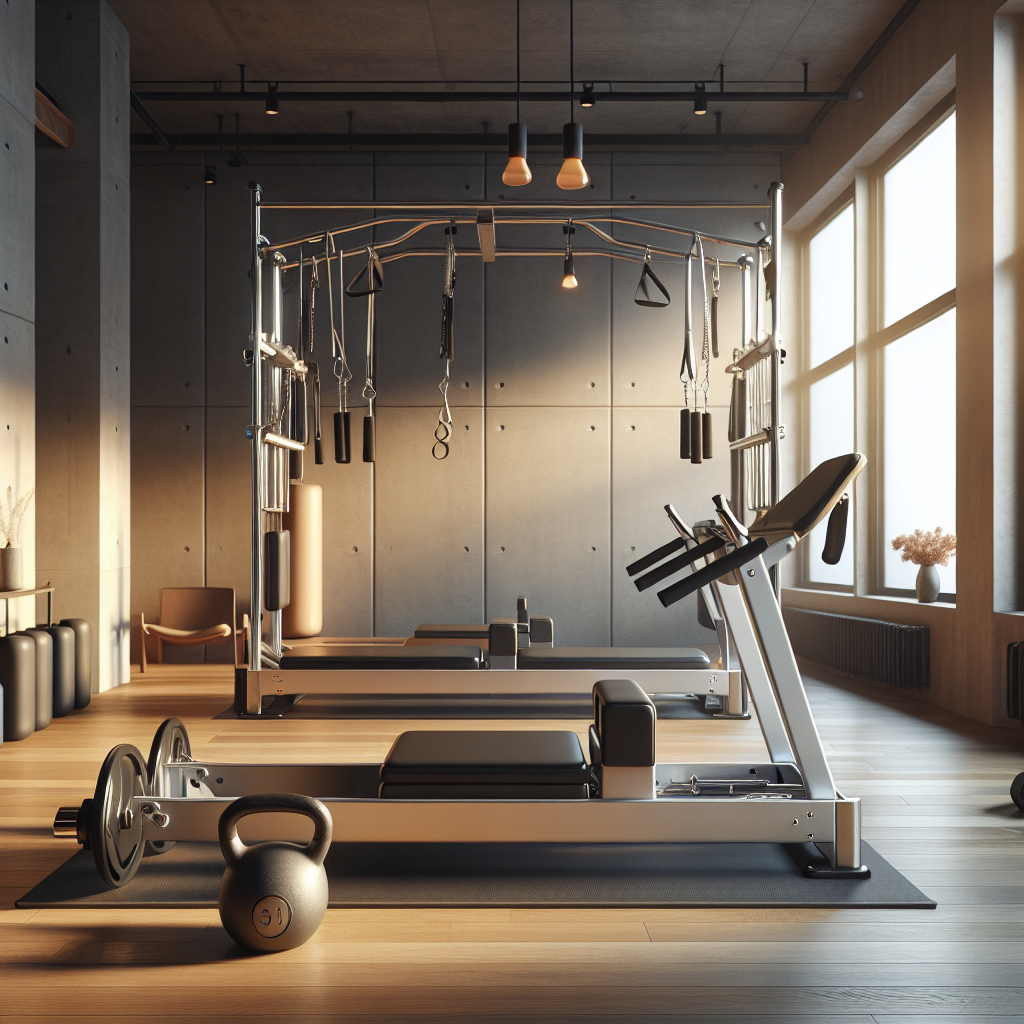
Pilates is no longer just mat work and reformer springs. Across the United States, studio operators are retrofitting their spaces with hand weights, kettlebells, and BOSU trainers to meet client demand for strength-building, low-impact workouts that deliver measurable results. According to industry analysis published in Club Industry, Pilates now represents over 43% of primary studio modalities, and the format is evolving rapidly as the boundaries between Pilates, functional strength, and HIIT dissolve.
This isn't cosmetic. Studios offering hybrid programming are expanding their addressable market beyond the traditional Pilates client base. Athletech News reports that Life Time now offers CTR, a 45-minute reformer-based strength class blending progressive resistance and athletic-style training, with plans to roll out the format to more than 60 locations by the end of 2026. Meanwhile, concepts like CARVE are building entire business models around reformer-inspired movements with strength, endurance, and performance cueing, backed by music-driven pacing and intimate class sizes.
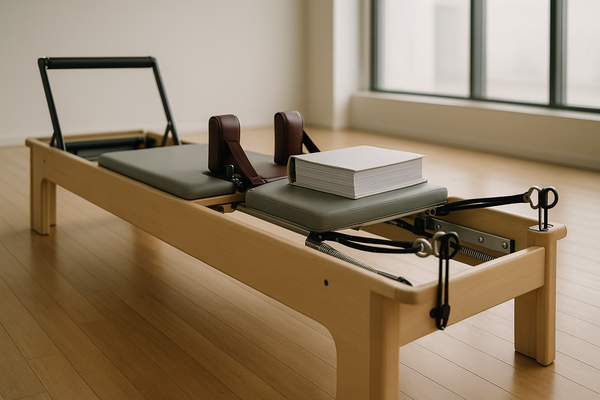
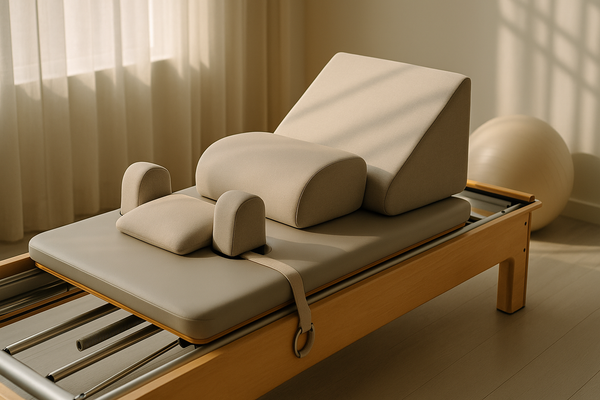
The equipment layer is changing, too. Companies are introducing machines that integrate Pilates reformers with digital weight training systems and even massage modules, creating what one manufacturer describes as "a versatile fusion of Pilates reformer, interactive display, and digital-weight functional trainer." Hand weights, weighted balls, and resistance bands are now standard in many Pilates studios, enabling instructors to program dynamic, multi-muscle-group workouts without losing the core benefits of controlled movement and breathwork.
The Male Athlete Effect: Reframing Pilates as Intelligent Strength Training
One of the most visible shifts in 2026 is the influx of male athletes and gym-goers into Pilates studios. Per reporting from Athletech News, instructors and studio owners are reframing Pilates not as a "soft workout" but as intelligent strength training and injury prevention. Clients frequently arrive after hitting plateaus in traditional gym programming, and they discover that Pilates accelerates gains in the weight room by addressing stabilization, mobility, and control through full range of motion.
Studio owner Rae Matthews, quoted in the same report, noted that Pilates challenges "stronger people" differently because athletes typically focus on "big global muscles," while Pilates asks them to "slow down, stabilize and control movement through full range of motion." She added, "A lot of people are surprised because the exercises look small, but they feel really intense because the work is coming from deep stabilizers rather than momentum or brute force."
This reframing is strategic. A Life Time survey found that 42.3% of respondents identified getting physically stronger as their primary health goal, overtaking weight loss. Studios that position Pilates as a strength modality, not a flexibility or rehab add-on, are tapping into a demographic that was historically underrepresented in reformer classes. In 2026, expect to see more male-focused programming, tailored cueing, and class formats built around athletic performance goals.
The Instructor Skills Gap: Certification Bodies Playing Catch-Up
As studio programming shifts toward strength fusion, many Pilates instructors find themselves underprepared. Traditional mat and reformer certifications don't cover programming with free weights, periodization for athletic goals, or cueing strategies for clients accustomed to barbell training. The result is a skills gap that's forcing practitioners to seek out hybrid credentials or cross-train in strength coaching disciplines.
Some certification bodies are responding. IM=X Pilates offers a cross-conditioning system that incorporates strength-training and cardiovascular elements not inherent in classical Pilates, centered on a unique teacher certification course and patented Xercizer equipment. FS8 offers a 40-hour online trainer certification designed to fast-track instructors into teaching a format that blends Pilates, strength (Tone), and Yoga in a single low-impact class structure. LA Fitness trains instructors in a signature approach that blends contemporary Pilates and athletic/functional movement on Balanced Body Reformers, creating energizing, full-body reformer classes with athletic programming.
But the pace of change is faster than the credentialing infrastructure. Studios like Natural Pilates are already using ankle weights, booty bands, resistance bands, Pilates balls, and circles in athletic-style choreography that groups exercises by muscular focus and emphasizes higher rep ranges than classical Pilates. Instructors who want to teach these formats are often cobbling together knowledge from personal training certifications, online continuing education, and on-the-job mentorship rather than relying on a single comprehensive credential.
Smart Reformers and the "Intelligent Era" of Pilates Technology
Technology is beginning to play a more active role in Pilates programming. In 2026, the industry is entering what some observers call the "intelligent era," characterized by reformers and platforms that adapt to individual users, measure effort, guide alignment, and elevate technique without interrupting the flow of a class. Per analysis from Athletech News and iFIT, future machines will fuse biomechanics, AI, and human-centered design to create training experiences that are as intuitive as they are effective.
The promise is not to replace instructors but to empower them. Smart reformers with digital weight systems, interactive displays, and real-time feedback can enable more personalized programming in group settings, helping instructors manage larger classes without sacrificing cuing quality. This is especially relevant as studios add strength-training elements: technology can track load progression, rest intervals, and movement quality in ways that manual instruction alone cannot scale.
However, adoption is still early, and the technology layer introduces new questions around cost, maintenance, and instructor training. Studios considering smart equipment will need to weigh the upfront investment against the potential for improved retention, higher class prices, and differentiated programming that justifies premium pricing.
What This Means for Studio Operators
Editorial analysis — not reported fact:
If your studio still runs a mat-and-reformer-only model, you're leaving revenue on the table and narrowing your addressable market. The data is clear: clients want strength outcomes, male athletes are entering the category, and formats that blend Pilates with weights and athletic programming are scaling nationally. The question isn't whether to evolve, but how fast and how intentionally.
Three concrete steps: First, audit your instructor roster for strength programming competencies. If your team can't confidently cue a kettlebell swing, program a progressive overload cycle, or coach a male athlete through a plateau, invest in cross-training or hire instructors with hybrid credentials. Second, evaluate your equipment inventory. You don't need to buy smart reformers tomorrow, but you should have hand weights in multiple loads, resistance bands, and at least a few kettlebells or stability tools. Third, test a hybrid class format in your schedule before you rebrand your entire studio. Monitor retention, demographics, and per-class revenue, and iterate based on real client feedback, not assumptions.
The studios winning in this shift are the ones that understand they're no longer competing only with other Pilates studios. They're competing with strength boutiques, CrossFit boxes, and personal training. Position Pilates as intelligent, low-impact strength training, and you'll expand your market. Position it as rehab or "toning," and you'll lose ground to operators who understand what clients actually want in 2026.
Sources & Further Reading
- Club Industry report on studio modality trends — Pilates now represents over 43% of primary studio modalities as of 2026.
- Athletech News coverage of Life Time's CTR reformer-based strength class expansion — Plans to offer CTR in more than 60 locations by year-end 2026, plus analysis of male athlete participation and intelligent-era technology trends.
- Athletech News feature on CARVE, FS8, and hybrid Pilates-strength concepts — Business models and programming philosophy for modern fusion formats.
- IM=X Pilates cross-conditioning certification and Xercizer equipment — Details on instructor training for strength-training integration.
- FS8 40-hour online trainer certification — Fast-track program for Pilates-Tone-Yoga fusion format.
- LA Fitness athletic Pilates programming and instructor training — Balanced Body Reformer classes blending contemporary Pilates and functional movement.
- Athletech News and iFIT analysis of smart reformer technology and AI-guided equipment trends — Predictions for biomechanics tracking and personalized programming in 2026 and beyond.
Editorial coverage of publicly reported industry developments. The Pilates Business has no commercial relationship with any companies named.