NASM Pilates Certification: Does It Exist in 2026?
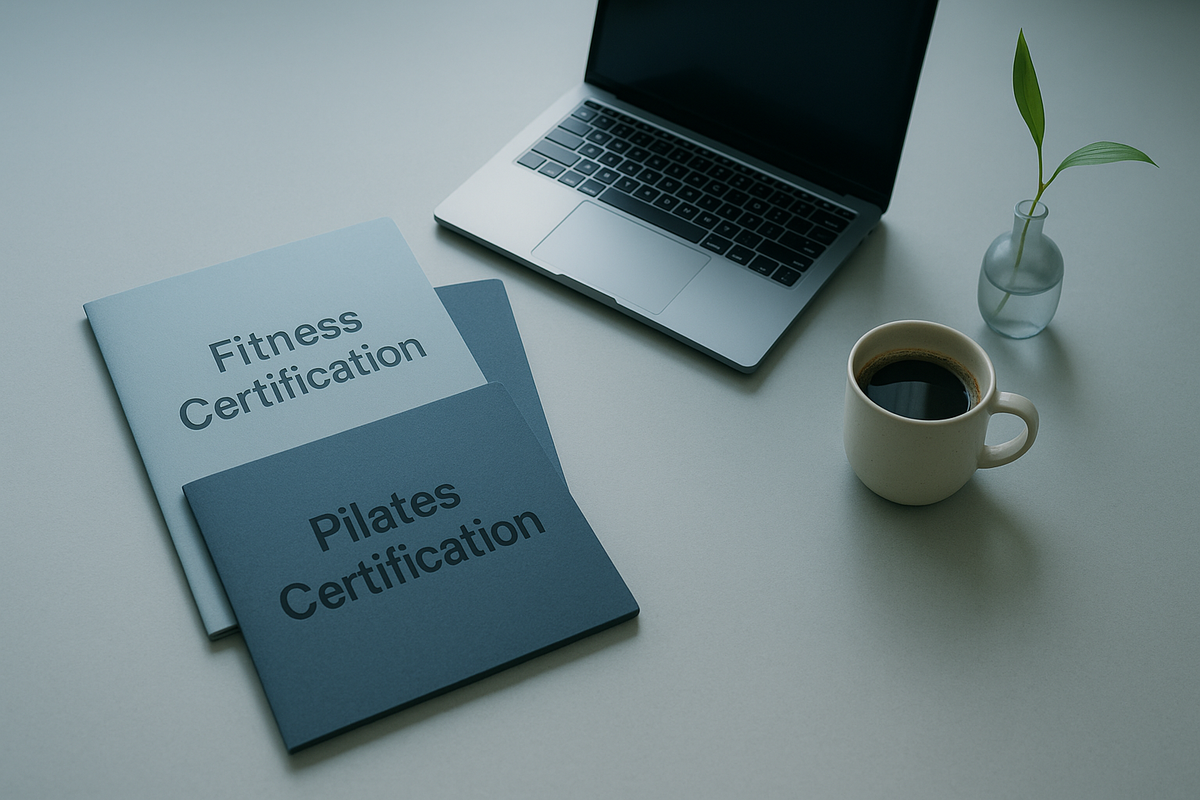
NASM does not offer Pilates certification, but personal trainers can stack credentials from other providers to expand services and income potential.
Key Takeaways
- NASM does not offer a Pilates certification, but NASM-CPT holders can earn Pilates credentials from other providers while maintaining their personal training certification and stacking continuing education credits.
- Dual certification creates income advantages: NASM Certified Personal Trainers earned 22% more than the industry average in 2026, averaging $48 per hour, while Pilates instructors command a projected $69,000 annual salary with 15% job growth over the next five years.
- Certification timelines range dramatically: basic mat certifications like ISSA's online program take 8-10 weeks, while comprehensive apparatus training qualifying for studio employment typically requires 1-2 years and 500-600 logged hours.
- Studio hiring requirements favor comprehensive credentials: most US studios now specify "recognized Pilates certification" rather than mandating specific brands, but reformer and apparatus proficiency remains essential for employment in 2026.
- Strategic credential stacking offers revenue diversification: combining NASM-CPT credentials with Pilates certification allows instructors to serve private clients, teach group reformer classes, and expand into boutique fitness markets with higher per-hour earnings potential.
Why NASM Does Not Include Pilates Certification
NASM's advanced specialization offerings cover nutrition, corrective exercise, performance enhancement, weight loss, and behavior change, but Pilates instruction is not among the organization's core programs. This creates a distinct gap for personal trainers seeking to expand into the rapidly growing boutique fitness sector.
However, select Pilates certification programs provide NASM continuing education credits (CECs), allowing trainers to maintain their NASM-CPT while adding a second specialized credential. FiTOUR Pilates certifications, for example, offer CECs that count toward both NASM and ACE certification renewals.
The Pilates Certification Landscape for Personal Trainers
Personal trainers have several pathways into Pilates instruction in 2026, with programs varying dramatically in scope, cost, and timeline. ISSA's Pilates Instructor Certification ranks third in industry analysis, functioning as a fully online, self-paced program with no prerequisites. This makes it the most accessible entry point for fitness professionals already holding credentials like NASM-CPT.
For trainers seeking comprehensive credentials, STOTT PILATES and BASI Pilates Instructor Training rank first and second respectively for long-term career excellence. These programs require significantly greater time investment but cover all apparatus and teaching formats. Understanding the full scope of comprehensive Pilates certification costs is essential when evaluating ROI timelines and career trajectory.
Timeline and Format Options
A basic mat certification can be completed in 8-10 weeks through programs like ISSA, while comprehensive certification covering all apparatus and qualifying for the NCPT exam typically takes 1-2 years of part-time study and 500-600 logged hours. This extended timeline includes supervised teaching practice, anatomy coursework, and proficiency assessments across reformer, cadillac, chair, and barrel equipment.
The accessibility of online certification has expanded in 2026, allowing personal trainers to complete theoretical components remotely while arranging in-person practicum hours at affiliated studios in their geographic area.
Studio Hiring Requirements and Market Expectations
Job postings across US markets in 2026 reveal that studios seek candidates with either Certified Personal Trainer or Pilates certification from a recognized organization. However, no studio will hire instructors without a recognized certification, as insurance, liability, and reputation make uncertified hires a non-starter.
Notably, some studios acknowledge that candidates may not have reformer experience, offering hands-on training for the right candidate with a mat Pilates certification or a personal training/group fitness certification. This creates an opportunity for NASM-CPT holders with mat credentials to enter studio environments and complete apparatus training on the job.
Most US studios in 2026 post openings specifying "recognized Pilates certification" rather than mandating BASI, Stott, or Polestar exclusively. This shift has opened the market considerably, allowing ISSA, Fitness Mentors, and other accredited programs to qualify candidates for employment.
Income Potential and Career Advantages of Dual Credentials
In the 2026 State of the Personal Trainer Survey, NASM Certified Personal Trainers reported earning 22% more than the industry average, with new personal trainers averaging $48 an hour. Meanwhile, Pilates instructors have a projected 15% job growth rate over the next five years with an estimated average of $69,000 gross annual salary.
Group reformer classes generate significantly more revenue per hour than private sessions, creating a compelling financial case for personal trainers to add Pilates credentials. Many instructors combine private and group instruction to broaden their opportunities and income potential, with group sessions focusing on structured class sequences and private sessions allowing for personalized programming.
This dual-format proficiency has become an expectation from facilities in 2026, with boutique studios preferring instructors who can teach both private clients and group classes rather than specialists in only one format.
Specialization Versus Generalization
Personal trainers with specializations tend to earn more money and have greater career success than non-specialized trainers. Fitness specializations allow professionals to serve a specific clientele or deliver a particular training style, positioning them for premium pricing and niche market opportunities.
The strategy mirrors trends in other boutique fitness sectors, where specialized fitness certifications beyond base credentials unlock new revenue streams. Just as yoga instructors add sport-specific training or dance studios invest in specialized instructor training for adaptive programs, personal trainers benefit from fitness credential stacking that expands service offerings.
Strategic Considerations for NASM-CPT Holders
The demand for Pilates instructors continues to grow in 2026, with more clients preferring home workouts, boutique studios, and hybrid training. Online certification has made it easier than ever to become qualified from anywhere at one's own pace, removing geographic barriers that previously limited access to comprehensive training programs.
For NASM-CPT holders, the decision hinges on career goals, market positioning, and revenue diversification. Trainers already serving private clients can add mat Pilates as a low-cost specialization, while those seeking employment in boutique fitness should evaluate comprehensive Pilates instructor requirements including apparatus training and supervised teaching hours.
Personal trainers report using Pilates certification to expand their services, allowing them to serve clients who prefer the mindful, low-impact nature of Pilates over traditional strength training while maintaining their existing personal training client base.
What This Means for Studio Operators
Editorial analysis, not reported fact:
Studio operators should recognize that NASM-CPT holders represent a qualified talent pool for Pilates instruction, particularly candidates willing to complete mat certification and apparatus training through on-the-job mentorship. These dual-credentialed professionals bring exercise science knowledge, client management skills, and business acumen that purely Pilates-trained instructors may lack.
For hiring managers, accepting a broader range of recognized certifications (ISSA, Fitness Mentors, Club Pilates Education) alongside traditional BASI or Stott credentials expands the candidate pool without sacrificing quality. The key hiring criteria should focus on comprehensive apparatus training, supervised teaching hours, and liability insurance eligibility rather than brand-name certifications alone.
Studios facing instructor shortages in 2026 can develop pipeline programs that recruit NASM-CPT holders with mat certifications, offering apparatus training and mentorship in exchange for teaching commitments. This approach addresses immediate staffing needs while building long-term instructor loyalty and retention.
Sources & Further Reading
- NASM Certified Personal Trainer Program, certification requirements and 2026 salary survey data
- Best Pilates Certifications 2026 Analysis, comparative rankings of ISSA, BASI, and STOTT programs
- How to Become a Pilates Instructor: 2025 Guide, certification pathways and studio hiring requirements
- FiTOUR Primary Pilates Certification, NASM and ACE continuing education credits
- Pilates Instructor Certification Costs & Timeline 2026, comprehensive investment analysis and ROI timelines
- 2026 Pilates Instructor Shortage: Sustainability Crisis, job growth projections and salary benchmarks
Editorial coverage of publicly reported industry developments. The Pilates Business has no commercial relationship with any companies named.