The Real Cost of Pilates Certification: $3,700–$6,000+
Comprehensive Pilates certification now costs $3,700–$6,000+ and takes 9–18 months, with reformer training essential for 2026 studio hiring and premium compensation.

Key Takeaways
- Comprehensive Pilates certification costs $3,700–$6,000+ and requires 450+ hours of training over 9–18 months, not including books ($300–$400) or exam fees ($200–$300).
- Reformer training has become essential for 2026 studio hiring, with mat-only certification rarely meeting equipment-based studio requirements and reformer instructors commanding significantly higher compensation.
- Certified reformer instructors earn $62–$150 per hour, compared to $33.86–$40.84 hourly averages for general Pilates instruction, with most recovering their $4,800–$9,000 training investment within 14–18 months.
- Advanced certifications increase earnings by 15–27%, with specialty training in prenatal, postnatal, or orthopedic Pilates adding 15–20% more compensation and multiple certifications boosting annual income up to 27%.
- Instructor satisfaction remains exceptionally high despite burnout risks, with 89% of instructors strongly agreeing they love their jobs and 92% recommending Pilates as a career, though overloaded schedules threaten long-term sustainability.
Why Apparatus Certification Now Determines Entry-Level Hiring
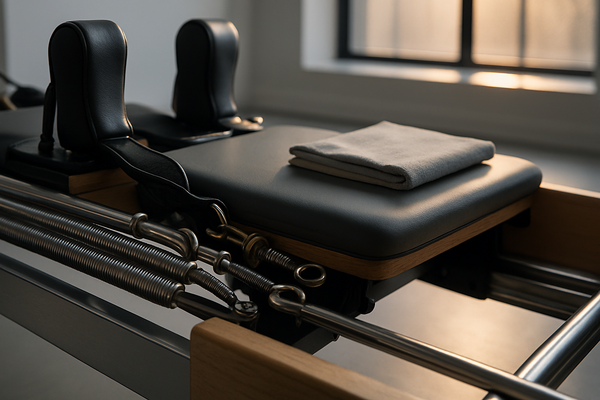
The Pilates certification landscape has shifted dramatically by 2026, with reformer training now functioning as a de facto entry requirement rather than an advanced credential. According to Fitness Mentors' certification overview, reformer training is essential in higher-end studios, where client expectations and premium pricing models require instructors trained on apparatus from day one.
Mat-only certification, once an acceptable entry point for new instructors, rarely meets current hiring requirements for equipment-based studios. The equipment divide reflects economic reality: reformer class pricing supports higher instructor compensation structures than mat-only group sessions, making apparatus-trained instructors more valuable to studio business models.
This shift has created a higher barrier to entry. While mat certification can be completed in 3–4 months, comprehensive certification including reformer and other apparatus takes 9–18 months and includes hundreds of hours of practice teaching and observation beyond classroom time.
The True Investment: $3,700–$6,000 Plus Hidden Costs
Comprehensive Pilates certification through programs meeting Pilates Method Alliance standards of 450+ hours costs $3,700–$6,000 for tuition alone. These figures exclude several substantial additional expenses that aspiring instructors must budget for upfront.
Books and study materials add $300–$400, while examination fees contribute another $200–$300. Perhaps most significantly, the self-practice hours required to develop teaching competency mean paying for classes yourself during the 9–18 month training period. Peak Pilates' comprehensive program, totaling 497 hours, costs $7,600, while their reformer-only program costs $2,250 and matwork program $1,500.
The most accessible entry point is ISSA's certification at $799 regular price, though this pathway typically requires additional apparatus training to meet 2026 studio hiring standards. Club Pilates Teacher Training allows completion in six months to one year with all comprehensive equipment included in a single program fee.
Income Progression: When Certification Investment Pays Off
The financial case for comprehensive certification becomes clear when examining 2026 compensation data. According to salary data from Indeed job postings updated February 16, 2026, the average Pilates instructor earns $40.84 per hour in the United States, based on 5,200 salaries from the past 36 months. ZipRecruiter data from January 2026 shows an average annual pay of $70,426, or approximately $33.86 per hour.
However, specialization creates significant income differentiation. Certified reformer instructors earn $62–$150 per hour, typically teaching 12–18 sessions weekly when starting. Instructors who pursue advanced or multiple certifications can earn up to 27% more per year, with specialty certifications in prenatal, postnatal, or orthopedic-focused Pilates increasing compensation by an additional 15–20%.
The return-on-investment timeline is measurable: most instructors recover their $4,800–$9,000 training investment within 14–18 months of beginning to teach. Adding specializations increases rates by 25–40%, accelerating payback periods for instructors who pursue advanced training early in their careers.
Beyond Studios: Diverse Career Paths in 2026
Pilates instructors today work in environments far beyond traditional boutique studios. According to IDEA Fit's career path analysis, instructors pursue careers in large health clubs, privately owned studios, community recreation centers, spas, schools, and rehabilitation clinics.
Corporate wellness programs have grown significantly, with instructors providing sessions at company offices, team-building retreats, or virtually for remote teams. This career path has increased in popularity as more companies prioritize employee well-being, offering instructors access to new client groups while enjoying financial stability through corporate contracts.
The rise of digital fitness has created entirely new revenue streams. Many instructors now teach on online platforms, offering virtual classes that reach clients globally through pre-recorded courses or live-streamed sessions. This diversification allows instructors to build income sources beyond hourly in-person teaching, though it requires different skills in content creation and digital marketing.
High Satisfaction Meets Sustainability Challenges
Career satisfaction among Pilates instructors remains exceptionally high despite industry challenges. A 2025 Balanced Body survey found that 89% of instructors strongly agree they love their job, while 92% would recommend Pilates as a career to others. The survey revealed that 94% said they help others make a difference in their lives, reflecting the sense of purpose that draws many to the profession.
Instructor career paths often follow non-linear trajectories. Pilates Bridge success stories document instructors who discovered the profession after college theater and dance careers or while working in entirely different fields. Lesley Logan, featured in instructor profiles, fell in love with Pilates after her first session and progressed from teacher to manager to running multiple studios.
Yet sustainability concerns are mounting. As documented in The Pilates Business' analysis of the 2026 instructor shortage, teachers are becoming booked solid within one to two years and then burning out from overloaded schedules before they can build sustainable careers. The shortage in 2026 is not quantity but sustainability: studios face a quality supply gap driven by expensive training barriers, skill development needs beyond exercise execution, and retention challenges when instructors exhaust themselves teaching 20+ hours weekly.
What This Means for Aspiring Instructors
Editorial analysis — not reported fact:
The 2026 certification landscape requires aspiring instructors to approach training as a significant professional investment rather than a quick career pivot. The $4,800–$9,000 all-in cost and 9–18 month timeline demand financial planning, particularly since most trainees must maintain other income during the certification period.
The data strongly supports investing in comprehensive certification that includes reformer training from the start, rather than beginning with mat-only credentials and adding apparatus training later. This front-loaded approach costs more initially but opens higher-paying opportunities 14–18 months sooner and avoids the time and expense of returning for additional certification when mat-only credentials prove insufficient for studio hiring.
For those concerned about burnout risks, the key appears to be diversification from early in your career. Instructors who build multiple revenue streams through corporate wellness, online teaching, or specialty populations rather than loading up 20+ in-studio hours weekly seem better positioned for long-term sustainability. The 15–27% income premium for advanced certifications also suggests that deepening expertise in focused areas may be more sustainable than maximizing teaching volume.
The 89% job satisfaction rate indicates that those who successfully navigate the entry barriers and build sustainable schedules find genuine career fulfillment. The challenge is surviving the first two years while managing training costs, developing teaching skills beyond exercise execution, and avoiding the overwork trap that drives experienced instructors out of the profession prematurely.
Sources & Further Reading
- Fitness Mentors Pilates Teacher Training Guide — comprehensive overview of certification pathways, costs, timelines, and income data for reformer and comprehensive programs
- The 2026 Pilates Instructor Shortage Is About Sustainability — analysis of burnout patterns, quality supply gaps, and retention challenges in the current market
- IDEA Fit: A Career Path for Pilates Instructors — exploration of diverse work environments including corporate wellness and digital platforms
- Pilates Journal Instructor Stories — career trajectories and motivations from working instructors including non-linear paths to the profession
Editorial coverage of publicly reported industry developments. The Pilates Business has no commercial relationship with any companies named.