Reformer Certification: Hours, Costs & What You'll Learn
Reformer certification costs $1,000–$6,000+ and requires 214–450+ hours. Certified instructors earn $62–$150/hour and recover investment in 14–18 months.

Key Takeaways
- Reformer certification costs range from $1,000 to $3,000 for entry-level programs, with comprehensive apparatus training requiring 450+ hours and $3,700–$6,000+ investment over approximately one year.
- Certified reformer instructors earn $62–$150 per hour and typically recover their training investment in 14–18 months, commanding 25–40% higher pay than mat-only instructors due to private session and apparatus teaching capabilities.
- Reformer training has become essential for 2026 studio hiring, as equipment-based studios now treat apparatus certification as baseline rather than advanced credentialing, with mat-only certificates rarely meeting current job requirements.
- Training includes 214+ hours covering foundational through advanced reformer exercises, spring tension theory, safety protocols, tactile cueing, modifications for special populations, and progression strategies across multiple certification levels.
- Hidden barriers include $300–$400 in study materials, $200–$300 exam fees, and the requirement for 30+ personal reformer sessions and 90+ student teaching hours—access challenges that force many candidates to rent studio time or pay for classes during their 9–18 month training period.
- The instructor shortage reflects a sustainability crisis rather than training volume, with expensive certification barriers, equipment access problems, and instructor burnout creating a quality supply gap despite 15% projected job growth over five years.
Why Reformer Certification Has Become the Industry Standard
By September 2026, the Pilates certification landscape has fundamentally shifted. What was once considered advanced specialty training has become the baseline credential for studio employment. The reformer-led studio market, which controls most paid work and nearly all private client opportunities, will not hire instructors on mat certification alone.
This transformation reflects economic reality in the boutique fitness sector. Reformer class pricing supports higher instructor compensation structures than mat-only group sessions, making apparatus-trained instructors more valuable to studio business models. Studios increasingly expect instructors trained on equipment from day one, particularly in higher-end markets where client expectations and premium pricing models require comprehensive apparatus knowledge immediately.
The market signal is clear: certification costs and ROI now justify reformer training as essential rather than optional for anyone building a sustainable teaching career.
What Reformer Certification Actually Covers
Total reformer certification requires 214 hours of training not including anatomy coursework. The curriculum typically divides across three progressive levels, each building technical depth and teaching competency.
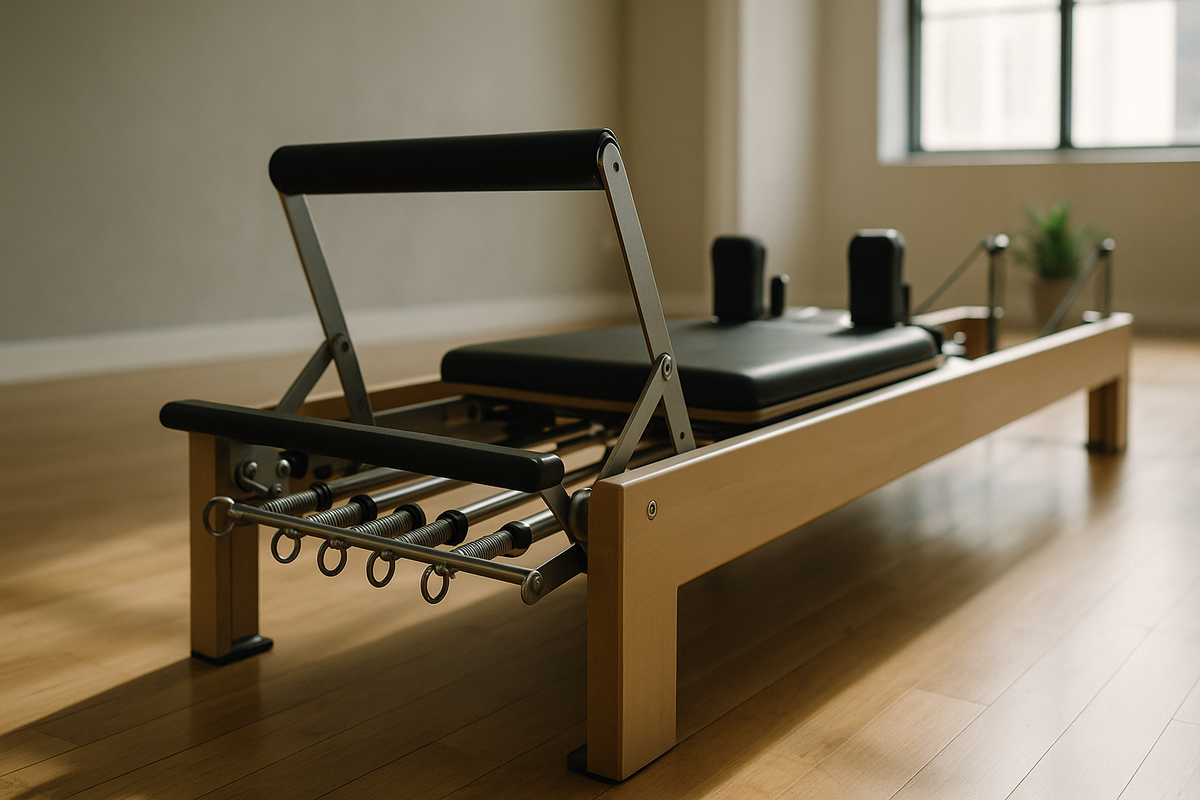
Reformer Level 1 teaches safe equipment utilization and beginning through intermediate exercises, completed in one to three months depending on scheduling. Each exercise includes modifications, variations, precautions for injuries and special populations, and the biomechanical purpose behind the movement. Instructors learn spring tension theory, safety protocols, and tactile cueing fundamentals during this foundation phase.
Reformer II introduces intermediate-level exercises and sequencing strategy, training instructors where to layer new movements within beginner class structures while continuing to develop hands-on teaching skills. Advanced Reformer certification completes the progression, covering how to incorporate advanced exercises safely and effectively into individual client repertoires based on readiness and goals.
The Practice Hour Requirement
Beyond classroom instruction, comprehensive reformer paths require significant self-practice and supervised teaching time. Balanced Body's program mandates 30 reformer personal sessions, 30 observation hours, and 90 student teaching hours. These practice requirements ensure instructors develop embodied understanding of spring resistance, movement quality, and client cueing before teaching independently.
The Real Financial Investment and Timeline
Entry-level reformer-only certification ranges widely by provider and format. Power Pilates Level 1 Reformer costs $1,249, while The Core Collab's online reformer certification is priced at $1,299 compared to their mat program at $999. Peak Pilates offers reformer-only training for $2,250, while their comprehensive 497-hour program totals $7,600.
However, advertised tuition represents only part of the true cost. Books and study materials add $300–$400 to the baseline investment. Examination fees contribute another $200–$300, particularly for those pursuing NCPT certification through the National Pilates Certification Program, which charges a $300 exam fee for the 125-question assessment.
The largest hidden cost comes from the practice hours themselves. Aspiring instructors must secure apparatus access to complete training, but many programs require students to find their own equipment time. Candidates frequently spend additional money renting studio space or joining studios as paying clients just to log required hours, effectively paying to practice the skills they are learning to teach during the nine to 18-month training period.
Comprehensive Certification for Full Studio Employment
Most equipment-based studios now expect full apparatus certification beyond reformer alone. Comprehensive Pilates certification requires 450+ hours of training per Pilates Method Alliance standards, costing $3,700–$6,000+ and taking approximately one year to complete while balancing other work. The Core Collab's comprehensive online program bundles mat and reformer for $2,999, representing the lower end of this spectrum.
The Earnings Case for Reformer Certification
The compensation differential justifies the certification investment for most instructors who complete training and build consistent teaching schedules. Certified reformer instructors earn $62–$150 per hour and typically recover their training investment in 14–18 months. In contrast, ZipRecruiter data from January 2026 shows average annual pay of $70,426 or approximately $33.86 per hour for all Pilates instructors combined, including both mat-only and apparatus-certified teachers.
The earnings gap between certification levels is substantial. Comprehensive and reformer-trained instructors earn roughly 25 to 40 percent more than mat-only instructors because they can teach private sessions and apparatus classes. The biggest pay difference comes from session format rather than credential alone: group classes typically pay $25 to $70 per class, while private sessions command $75 to $150 or more per hour.
Reformer certification unlocks access to private client work, which represents the highest-earning segment of Pilates instruction. Studios with reformer equipment can charge premium rates that support higher instructor compensation, creating business models that require apparatus-trained teachers from the start.
The Equipment Access Barrier
A structural challenge faces prospective instructors in 2026: they need apparatus access to complete reformer training, but many cannot afford equipment ownership and training programs do not always provide sufficient practice time. This creates a catch-22 where aspiring teachers must already have studio access or financial resources to pay for the training that would eventually provide studio employment.
Some certification programs include equipment access as part of tuition, while others expect students to secure their own practice time. Online and hybrid programs, which have expanded significantly since 2020, often reduce lecture costs but increase the burden on students to find local equipment for hands-on practice hours. This access gap disproportionately affects instructors without existing studio connections or the financial capacity to rent equipment time during training.
National Certification and Professional Standards
In order to earn the credential as a Nationally Certified Pilates Teacher (NCPT) in the US, instructors must pass the professional certification exam exclusively offered by the National Pilates Certification Program (NPCP). The NPCP is the only Pilates exam accredited by the National Commission for Certifying Agencies (NCCA), providing third-party validation of instructor competency.
The NCPT exam requires 450+ hours of training eligibility, costs $300, contains 125 questions, and uses a 78–80 point cut score for passing. This standardized assessment provides a credentialing floor across the otherwise fragmented landscape of Pilates training schools, each with distinct methodologies and philosophies.
Choosing between classical and contemporary training approaches represents one of the most important early decisions for new instructors. Traditional reformer certification through programs like BASI, Stott, Polestar, or classical reformer paths trains instructors in the full 100-year-old reformer Pilates curriculum, including exercise progressions developed by Joseph Pilates and refined over decades. This methodological choice shapes teaching style, client base, and career trajectory throughout an instructor's professional life.
The Sustainability Crisis Behind Instructor Demand
Despite strong market signals, Pilates instructor job growth is projected at 15% over the next five years, with average gross salaries reaching $69,000 annually. However, the pipeline of comprehensively trained teachers is not keeping pace with demand. The challenge in September 2026 is not training volume but instructor sustainability crisis.
Instructors frequently become booked solid within one to two years of certification, then burn out from overloaded schedules before they can build sustainable careers. The shortage is not quantity but sustainability: studios face a quality supply gap driven by expensive training barriers, skill development needs beyond exercise execution, and retention challenges when instructors exhaust themselves teaching 20+ hours weekly.
The 450-hour certification requirement, $6,000+ costs, and burnout rates create a pipeline problem where new instructors enter the field slowly while experienced teachers exit rapidly. This dynamic explains why studios cannot simply hire mat-only instructors to fill gaps: the market requires apparatus-trained teachers capable of handling the private client work and premium class formats that justify studio business models, but the training pathway to produce those instructors remains expensive, time-intensive, and structurally difficult to access.
What This Means for Studio Operators
Editorial analysis, not reported fact:
Studio operators face a talent market in September 2026 where reformer certification has become non-negotiable for new hires, but the training barriers that produce qualified candidates are steeper than ever. The implication is twofold: hiring timelines must account for the reality that comprehensively trained instructors require 12+ months of preparation and significant financial investment, and studios may need to participate in the training pipeline rather than simply recruiting from it.
This suggests opportunities for studios to offer apprenticeship models, equipment access arrangements, or tuition support in exchange for teaching commitments. Studios that reduce the access barrier for aspiring instructors—by providing practice equipment time, mentorship, or financial assistance—may gain competitive advantage in recruiting and retaining teachers who might otherwise be priced out of certification or forced to secure training at competing studios.
The compensation data also suggests that studios relying on group reformer classes at $25–$70 per session will struggle to retain instructors who recognize they can earn $75–$150 per hour teaching privates. Sustainable staffing models in 2026 likely require pay structures that reflect the 14–18 month investment instructors make in reformer certification, not just the baseline labor market rate for fitness instruction.
Sources & Further Reading
- Pilates Instructor Certification Costs & Timeline 2026, covering comprehensive certification investment, ROI timelines, and reformer earning potential
- 2026 Pilates Instructor Shortage: Sustainability Crisis, analyzing burnout, training barriers, and quality supply gaps
- Power Pilates Reformer Level 1 Certification, program details and curriculum overview
- Balanced Body Reformer Instructor Training, hour requirements and practice components
- Pilates NCPT Exam Guide 2026, national certification requirements and testing standards
- Pilates Instructor Salary Data, compensation ranges by certification level and session format
- Indeed Pilates Instructor Salaries, 2026 national average pay data
Editorial coverage of publicly reported industry developments. The Pilates Business has no commercial relationship with any companies named.