Small Group Classes Drive Pilates Studio Profitability in 2026
Studios are reorganizing around 6-8 person reformer sessions to solve the second-visit retention crisis and protect margins, replacing large-group formats.

Key Takeaways
- Small group reformer classes of 6-8 participants are replacing large-group formats as the new profitability standard in 2026, allowing studios to charge premium rates for exclusivity while serving multiple clients simultaneously.
- Pilates clients who return for a second visit show exceptionally strong long-term retention, but the format must deliver enough personalized attention in that critical second session to prevent abandonment.
- Studios operating with 6-7% profit margins and 44% of revenue consumed by staff wages need the revenue density of small groups to protect unit economics while reducing instructor burnout from back-to-back teaching loads.
- Clients attending 3+ classes weekly show 84% retention rates, and small-group cohorts with consistent scheduling drive 3.4x higher retention compared to drop-in models.
- The operational shift requires quality equipment density, not necessarily larger square footage, with leading studios pairing small-group reformer sessions with gentle restorative offerings like barrel stretching and fascia release.
Why Small Group Classes Are Replacing Large-Group Formats in 2026
The structural shift from large Pilates group classes to intimate 6-8 person sessions has moved from boutique experiment to mainstream operational strategy in 2026. According to industry trend analysis published this year, clients are actively choosing formats that deliver personal attention and real-time technique feedback without the cost of private training. This demand pattern is forcing studio operators to reorganize class grids, equipment layouts, and instructor schedules around smaller cohorts.
The timing reflects two converging pressures. First, Mariana Tek's 2026 Pilates Trends Report reveals that while Pilates clients show lower return rates from first to second visit compared to other fitness modalities, those who continue beyond their first two visits demonstrate exceptionally strong long-term retention. The format clients experience in visits two and three determines whether they stay or churn. Second, the $13 billion U.S. Pilates market operates on razor-thin 6-7% margins, with 44% of revenue consumed by staff wages, creating an operational bottleneck where scaling through larger classes compresses per-client value while exhausting instructors.
The Unit Economics of 6-8 Person Cohorts
Small group classes solve a three-sided economic problem. They allow studios to charge premium rates that reflect the exclusivity and attention clients receive, typically 60-75% of private session pricing while serving six to eight clients simultaneously. This pricing architecture generates higher revenue per instructor hour than large-group formats without requiring the overhead multiplication of pure one-on-one models.
For studios wrestling with the founder burnout paradox where personal client connections drive loyalty but prevent scaling, small groups offer a middle path. Instructors can maintain meaningful relationships with 48-56 clients per week across seven to eight small-group sessions, compared to 70-90 clients in large-group schedules or 25-30 in private-only models. The reduced client load per session decreases cognitive burden and physical fatigue while preserving the personal touch that prevents client flight when instructors leave.
The format also addresses instructor retention directly. Per analysis of common studio business challenges, instructor burnout from back-to-back teaching sessions creates hidden costs when departing instructors take their client followings. Small-group scheduling allows longer breaks between sessions, reduces repetitive strain, and increases per-session compensation, making retention economically feasible.
How Small Groups Drive the Critical Second Visit
The Mariana Tek report identifies getting first-time clients back for a second visit as the single highest-leverage retention moment in Pilates. Small group formats improve second-visit conversion through three mechanisms. First, clients receive enough individualized cueing and correction in their first session to feel competent rather than lost, reducing intimidation. Second, the cohort size allows instructors to learn names and movement patterns, creating social accountability. Third, the premium positioning justifies the investment psychologically, triggering commitment-consistency bias.
Once clients clear the second-visit threshold, retention strengthens dramatically. Industry statistics compiled for 2026 show that clients attending three or more classes weekly achieve 84% retention rates, and those on recurring schedule agreements show 3.4 times higher retention than drop-in participants. Small-group cohorts naturally encourage recurring commitment because the limited class size creates schedule urgency and peer continuity.
Studio Infrastructure and Mixed-Format Strategies
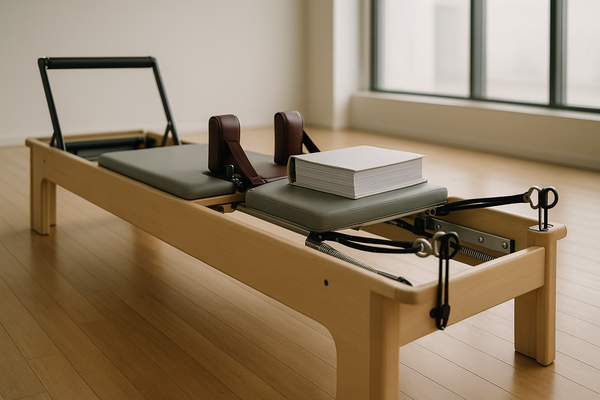
Transitioning to small-group primacy does not require expanding square footage, but it does demand equipment density and thoughtful layout. According to the 2026 trends analysis, studios need sufficient quality reformers, chairs, and props to support 6-8 participants simultaneously without clients waiting or sharing equipment mid-session. This often means reallocating floor space from open mat areas or reducing treadmill counts in favor of additional reformer stations.
Leading studios are pairing small-group reformer classes with complementary gentle offerings such as restorative barrel stretching sessions, fascia release workshops, and mobility-focused mat classes. This mixed-format approach serves multiple client segments (high-intensity seekers and recovery-focused participants) while utilizing studio capacity during off-peak hours. The gentle sessions also provide lower-intensity teaching opportunities that reduce instructor fatigue and extend career longevity.
What This Means for Studio Operators
Editorial analysis — not reported fact:
If your studio currently runs 12-16 person reformer classes as the revenue backbone, the 2026 data suggests that model is becoming a retention liability and an instructor burnout accelerator. The operational pivot to 6-8 person sessions requires recalculating your entire pricing and scheduling architecture, but the return is clients who stay past visit two and instructors who stay past year two.
Start by auditing your current second-visit return rate and comparing it against your third-to-twelfth visit retention. If you see a steep drop between visits one and two but strong retention afterward, small groups directly address your leakiest funnel stage. Next, calculate your revenue per instructor hour across class sizes. Many operators discover that eight clients paying $45 each in a small-group session generates higher margin than sixteen clients paying $28 in a large class, especially when factoring in the reduced instructor replacement and client reacquisition costs.
The equipment investment is real but finite. If you operate 1,200 square feet with eight reformers currently running 14-person classes by rotating participants, you likely need two to four additional reformers to run true 6-8 person sessions. That $8,000-$16,000 equipment cost should be modeled against the lifetime value gain of improving second-visit conversion by even 15-20 percentage points.
Finally, communicate the transition as an upgrade, not a reduction. Clients perceive smaller sessions as more exclusive and effective. Grandfather existing unlimited members at current rates but introduce new small-group-specific packages at premium pricing. Your existing large-group participants become your small-group waitlist and proof of demand.
Sources & Further Reading
- Mariana Tek 2026 Pilates Trends Report — industry benchmarks on client return rates and retention patterns by visit frequency
- Pilates in 2026: Trends and Developments — analysis of the shift from large to small group formats and infrastructure implications
- Pilates Studio Founders Face Burnout Paradox — market size, margin analysis, and the wage-to-revenue challenge in the U.S. Pilates industry
- Pilates Industry Statistics 2026 — retention rates by attendance frequency and scheduling model
- The 6 Biggest Issues Pilates Studios Face and How to Fix Them — instructor retention challenges and operational bottlenecks
Editorial coverage of publicly reported industry developments. The Pilates Business has no commercial relationship with any companies named.