Strength Fusion: How Pilates Studios Are Adding Weights & HIIT
Pilates studios are integrating weights, HIIT intervals, and functional conditioning into programming. What fusion formats mean for operators in 2026.

Key Takeaways
- Pilates studios are integrating weights, HIIT intervals, and functional conditioning into traditional programming, creating fusion formats that combine Pilates precision with cardiovascular intensity and progressive resistance training.
- STRONG Pilates and HIIT Pilates hybrids deliver 45-minute sessions alternating strength and cardio intervals, enabling practitioners to spike heart rate into moderate-to-vigorous zones while maintaining core-focused movement patterns.
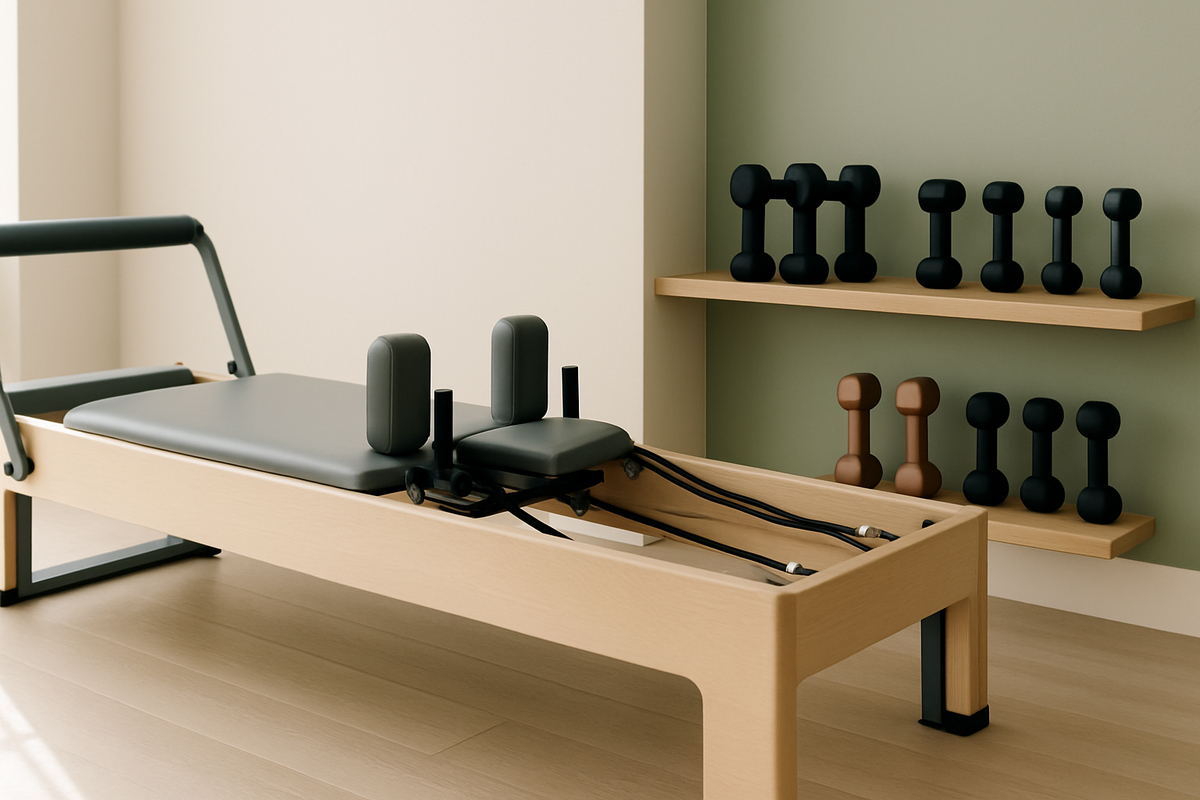
- Equipment additions include hand weights, weighted balls, kettlebells, BOSU trainers, and resistance bands, expanding programming options beyond reformers and mats to meet consumer demand for measurable strength gains.
- The classical-versus-contemporary debate intensified in 2026 as studios navigate what qualifies as Pilates, with social media reflecting polarized opinions on whether strength integration dilutes or enhances the method.
- Consumer adoption is accelerating, with practitioners reporting by week three they request heavier springs and find previously challenging exercises more manageable, alongside improvements in flexibility, mood, sleep, and energy levels.
- Programming structure now follows warm-up, strength blocks, endurance rounds, and cool-down, mirroring studio fitness frameworks while instructors offer tiered spring tensions and load modifications to accommodate mixed abilities in a single class.
Why Pilates Studios Are Adding Weights and HIIT to Class Programming
Pilates studios across the United States are redefining class formats in 2026, blending traditional mat and reformer work with strength training equipment and high-intensity intervals. The shift reflects consumer demand for workouts that build muscle and elevate heart rate without the intimidation factor of traditional weightlifting gyms. According to wellness media coverage earlier this year, the trend is no longer experimental but foundational to studio business models.
The programming inflection addresses a critical competitive question: how to differentiate in a market where reformer Pilates has spread to over 250,000 studios worldwide. Studios are answering by layering in functional strength training designed to build lean muscle and boost power, paired with Pilates to enhance core strength, mobility, and deep muscle activation, as outlined in programs like Pilates x Strength.
How Fusion Formats Combine Pilates Precision with Strength and Cardio Intervals
STRONG Pilates is a hybrid workout that combines Pilates movements with high-intensity interval training, with most classes lasting around 45 minutes and alternating strength and cardio intervals. HIIT Pilates takes traditional Pilates a step further by introducing energizing upbeat high-intensity intervals, strengthening the core while also getting heart rate up, ensuring a comprehensive workout.
Jumpboard classes exemplify the cardio integration: these are reformer-based workouts that incorporate powerful, plyometric movements that can easily spike heart rate into moderate or even vigorous zones, per analysis of Pilates cardio programming. Meanwhile, studios like FORMAT in Houston offer a high-intensity, low-impact fitness experience infused with Lagree-inspired strength training, HIIT energy, hot mat Pilates precision, and beat-driven conditioning.
Equipment Additions Driving Programming Flexibility
Hand weights, weighted balls, the BOSU trainer, and kettlebells are tools making their way into Pilates studios and classes to help users achieve better results and renewed interest in programming, according to industry equipment analysis. Exercise is performed on a mat, sometimes with a ball, ring, bands, or small dumbbells, with machines such as the reformer added in studio, but listening to the body remains the priority, as Philadelphia wellness coverage noted in late 2025.
Tower-capable reformers expand vertical exercise options and enable hybrid formats where aligned with brand and instructor competencies, per reformer equipment manufacturers. Studios are offering dynamic blends of Pilates, Barre Sculpt movements, and strength training designed to build long, lean muscles using light weights, props, and small, controlled repetitions, as described in barre-Pilates-HIIT fusion programming.
Programming Structure and Instructor Modifications
Studio-style Pilates now follows a clear structure with warm-up first, strength blocks second, endurance rounds third, and a controlled cool-down closing the session, according to fitness programming frameworks. Instructors provide a standard medium tension and offer options for those wanting a challenge to up their spring or increase load demand, as well as options for those wanting to modify to decrease spring or load demand, per class programming principles published in Pilates Journal.
This tiered approach addresses mixed-ability classes: by week three, participants notice changes, with clients wanting to increase the springs rather than sticking to baseline recommendations, and moves that used to wipe them out becoming more manageable, as reported in hybrid Pilates strength training coverage.
The Classical Versus Contemporary Debate Intensifies
The word Pilates is not trademarked, nor is there one nationally or internationally recognized certification, so anyone can claim the version they are teaching is Pilates. On one side is classical Pilates, the methodology created by Joseph Pilates in the early 1900s, and on the other is contemporary Pilates, which involves movements that might be inspired by the original ones, additional props like resistance bands and weights, and exercises that are not part of the classical repertoire, according to Philadelphia Magazine's December 2025 explainer.
The debate over what is and what is not Pilates has become heated in 2026, with TikTok comments sections reflecting intense disagreement, per February 2026 wellness trend coverage. The tension is no longer academic: programming choices now directly impact member retention, pricing power, and competitive positioning as studios stake out positions on the classical-contemporary spectrum.
Consumer Results and Adoption Patterns
Regular HIIT Pilates practitioners report improved flexibility, enhanced mood, better sleep, and increased energy levels, with the combination of strength training and cardiovascular exercise ensuring a holistic approach to health, according to HIIT Pilates program descriptions. Heavier resistance training is key for injury prevention, power, and endurance, per strength training integration analysis.
The hybrid approach offers strength gains without the intimidation factor of heavy weights, as noted in Pilates fusion trend reporting. Functional Pilates exercise programs are developed especially for clients to improve balance, control, strength, and flexibility of movements most important to them, while considering the impact of these movements on overall movement health, according to functional Pilates program frameworks.
What This Means for Studio Operators
Editorial analysis — not reported fact:
Studio operators face a strategic programming decision in mid-2026: whether to integrate strength and HIIT elements, and if so, how to do it without alienating classically trained practitioners or diluting brand identity. The evidence suggests consumer demand is driving adoption regardless of purist objections. Studios that embrace fusion formats gain pricing power and retention advantages, particularly with younger demographics seeking measurable strength outcomes alongside mobility and core work.
Operators should audit current instructor competencies before launching fusion programming. Not every Pilates instructor is equipped to coach kettlebell swings or program HIIT intervals safely. Investing in continuing education focused on functional strength progressions, heart rate zone training, and equipment integration will determine whether fusion classes enhance or erode studio reputation. The programming structure warm-up, strength blocks, endurance rounds, cool-down provides a proven framework, but execution quality separates studios that retain fusion members from those that cycle through fitness tourists.
The classical-versus-contemporary tension also presents a branding opportunity. Studios can stake out clear positions: offering dedicated classical and fusion tracks under one roof, or fully committing to one methodology. The worst outcome is ambiguity, where clients cannot articulate what makes your programming distinct. Transparency about what is Pilates-inspired versus Pilates-method builds trust and attracts the right audience rather than trying to serve every preference under a single class description.
Sources & Further Reading
- Pilates Fusion 2026 trend analysis from Paris Select — February 2026 coverage of the fusion movement and consumer adoption patterns
- STRONG Pilates hybrid workout review — format breakdown of 45-minute HIIT and Pilates interval programming
- Beginner's guide to HIIT Pilates from X2O Studio — how high-intensity intervals integrate with Pilates movement patterns
- Class programming principles from Pilates Journal — instructor guidelines for spring tension modifications and load options
- Reformer equipment analysis for professional studios — global studio growth data and tower-capable reformer capabilities
- Hybrid Pilates strength training workout plans — consumer results and week-three progression observations
- Classical versus contemporary Pilates explainer from Philadelphia Magazine — December 2025 breakdown of methodology differences and certification landscape
- What is functional Pilates from Functional Pilates Australia — program design focused on balance, control, strength, and movement health
- Using gym equipment for Pilates-based movement — industry analysis of weights, kettlebells, and BOSU integration
- FORMAT Houston Lagree-inspired strength and HIIT programming — example of high-intensity, low-impact fusion class structure
Editorial coverage of publicly reported industry developments. The Pilates Business has no commercial relationship with any companies named.