The Inclusivity Deficit in US Pilates: Body Shaming Crisis
Pilates studios face a reckoning over body shaming, racial gaps, and diet culture as demand from disabled and plus-size clients outpaces inclusive teaching practices.


Key Takeaways
- Representation gaps persist: Pilates marketing still targets "long and lean" or "dancer's body" aesthetics, while instructors have openly body-shamed bodybuilders and plus-size clients, reinforcing perceptions that the modality excludes larger-bodied people, people of color, and disabled individuals.
- Financial and visibility barriers compound exclusion: Costly memberships price out many women of color, while disabled people rarely see wheelchair users or disabled instructors in studios, leading many to believe Pilates spaces aren't meant for them.
- Diet culture fuels disordered eating risk: Nearly 20% of fitness community members are at risk of disordered eating, and instructors who use language like "let's burn off what you ate this weekend" create cultures of shame that may trigger clients with eating disorder histories.
- Trauma-informed teaching gains traction: With 61% of US men and 51% of women reporting lifetime trauma exposure, trauma-informed Pilates methods that offer movement options, ask permission before touch cueing, and recognize emotional responses are becoming best practice through continuing education courses launched in 2019.
- Scholarship programs and specialized studios emerge: Peak Pilates and Balanced Body are funding access initiatives to remove financial barriers, while studios like Breathe Diversity Pilates + Fitness create non-judgmental spaces for plus-size clients who fear being "the biggest in the class."
- Demand outpaces supply: When one instructor designed an inclusive event for disabled people, spots filled within a week, revealing significant unmet demand as the industry approaches a $479 billion global market valuation.
The Body Shaming Problem Embedded in Pilates Culture
Despite explosive growth in the US Pilates market, with a 2025 survey showing 77% of studios growing and 67% regularly selling out classes, the industry faces a reckoning over who feels welcome in the room. Instructors have publicly dismissed bodybuilders with statements like "The gym is down the block... This isn't for you. We don't work with bodybuilders. Our clients are lean dancers, not people like you," according to documented incidents of body shaming in studio settings.
The perception that Pilates serves only slender, flexible, dancer-like bodies persists in 2026. Pilates instructor Emily Philips notes that "The Pilates world is marketed to people that are skinny... There's not a lot of education behind the marketing, which tends to confuse people. If people are overweight, they think Pilates isn't for them." Marketing materials continue to emphasize "long and lean" aesthetics and celebrity endorsements from Jennifer Aniston and Gwen Stefani, reinforcing narrow beauty standards.
Some instructors have stated that larger-bodied people lack proprioception and struggle with Pilates, or that they should avoid lying supine because weight on the chest impedes breathing. These claims reflect implicit bias rather than evidence-based teaching. With 40% of all Americans rated as obese on the BMI scale, yet many relatively fit and ready for challenging exercise, the gap between stereotypes and reality creates artificial barriers to entry.
Racial Representation and the Cost Barrier
The historical perception of Pilates as a space for wealthy white women persists even as the modality reaches mainstream audiences through franchises like Club Pilates. More Black-owned studios and Black instructors are emerging in 2026, carving out spaces where people of color report feeling more welcomed than in traditional studios. However, industry observers describe the trend as "surface-level inclusivity," with big franchises exposing larger populations to Pilates while Black-owned franchises often deliver more authentic belonging among Black clientele.
Many Black women report feeling they must "get in shape" before attending their first Pilates class, according to surveys of prospective clients. Costly classes and memberships compound racial disparities by pricing out many potential clients, especially women of color. In response, Peak Pilates and Balanced Body are investing in scholarship programs to remove financial and structural barriers, paving the way for Pilates to reach new communities and diversify the student base.
The Invisible Disability Gap in Studios
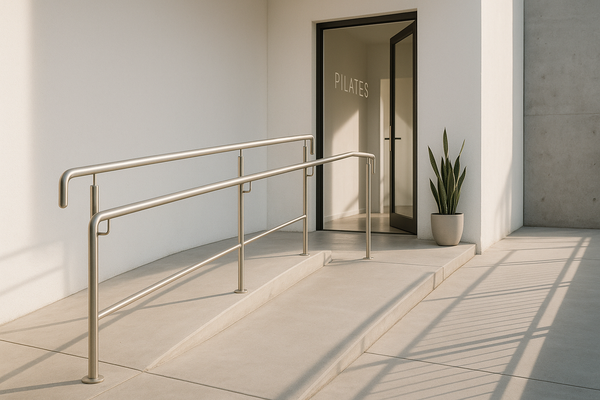
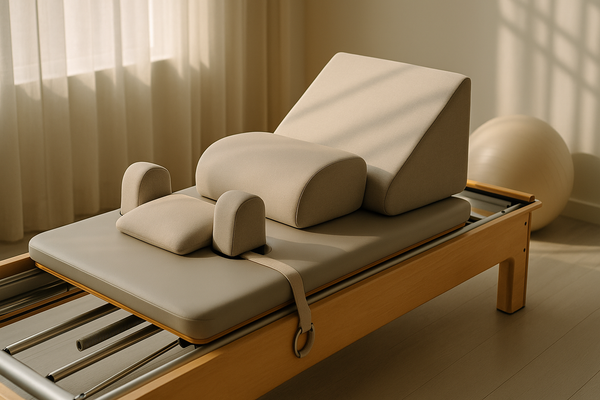
The inclusivity deficit extends beyond physical components like closed reformers or narrow pathways. The biggest gap is invisible: disabled people don't often see wheelchair users or disabled instructors in Pilates studios, leading many to believe those spaces aren't meant for them, according to accessibility advocates working in the movement space.
Demand exists but remains unmet. When one instructor designed an inclusive event specifically for disabled people, the spots filled within a week, revealing significant pent-up interest in Pilates among disabled communities. The rapid sellout demonstrates that accessibility barriers, rather than lack of interest, keep disabled individuals out of studios.
Diet Culture, Disordered Eating, and the Anti-Wellness Movement
Research estimates that nearly 20% of individuals who belong to a fitness community are at risk of disordered eating, and over 10% have disclosed a history of an eating disorder. Embedded within Pilates culture are toxic aspects including body ideals tied to perfectionism, myths around wellness, overtraining, and unintuitive movement patterns.
Instructors who use language like "let's burn off what you ate this weekend" create catalysts for beliefs that joy comes at a cost, eating should be punished, and bodies are being judged. These comments foster cultures of shame and fear, according to Health at Every Size (HAES)-aligned instructors who avoid discussing diets, weight loss, body aesthetics, or commenting on food in dichotomous ways within the studio.
Some instructors are shifting to anatomical cueing, talking about muscles from an anatomical standpoint to help clients cultivate a more neutral relationship with their bodies. This approach focuses on function and sensation rather than appearance or calorie expenditure, aligning with anti-diet culture principles gaining traction in wellness spaces as of mid-2026.
Trauma-Informed Teaching Becomes Best Practice
In the United States, 61% of men and 51% of women report exposure to at least one lifetime traumatic event, according to epidemiological data. Trauma-Informed Pilates takes into account the whole person and recognizes that how people move, think, and interact may be greatly influenced by trauma they have experienced.
Trauma-informed teaching is built into every session through practices like offering options for different movements, asking permission before using touch to cue, and recognizing that movement can bring up emotions. Threading choices into a session helps clients feel safer, build trust, and foster a greater sense of agency, according to practitioners trained in the approach.
In 2019, Beth Sandlin launched a Trauma Informed Care continuing education course for Pilates Instructors, and she continues to teach the TIPA (Trauma Informed Pilates Approach) Continuing Education Course to expand the network of trauma-informed professionals. Multiple US-based trainer programs now include trauma-informed instruction and embodied language in their curricula as of 2026, signaling a shift toward making trauma-informed practice standard rather than specialized.
Specialized Studios Carve Out Safe Spaces
Some studios are making diversity a core principle rather than an afterthought. Breathe Diversity Pilates + Fitness, which opened in 2017, continues to operate with a vision to create inclusive, safe, welcoming, and non-judgmental spaces for plus-size women who worry about being "the biggest in the class." The studio emphasizes functional strength, vitality, and confidence delivered at industry standards, rejecting the notion that body size correlates with ability or teaching quality.
Many instructors confess they feel uncomfortable or lack the knowledge to teach individuals of various body types, reflecting the one-size-fits-all approach prevalent in teacher training programs. This skills gap creates a vicious cycle: instructors avoid working with diverse bodies, diverse clients don't see themselves represented, and the perception that Pilates isn't for everyone becomes self-fulfilling.
What This Means for Studio Operators
Editorial analysis — not reported fact:
As the Pilates industry approaches a $479 billion global market valuation, studio operators face a choice between perpetuating exclusionary practices or actively dismantling them. The business case for inclusivity is clear: disabled clients filled an accessible event within a week, scholarship programs are expanding the addressable market, and trauma-informed instruction builds client trust and retention.
Operators should audit their marketing imagery, instructor cueing language, and physical accessibility. Do your Instagram posts show only "long and lean" bodies? Do your instructors use food-punishment language? Can a wheelchair user navigate your studio and access a reformer? The answers determine whether you're capturing or missing entire demographic segments.
Investing in continuing education around trauma-informed teaching, anti-diet culture, and modifications for diverse body types isn't purely ethical—it's competitive differentiation in a market where 40% of Americans are classified as obese and 61% of men have experienced trauma. Studios that make inclusivity a core operating principle rather than a marketing slogan will likely capture loyalty and word-of-mouth referrals from underserved communities tired of being dismissed or made invisible.
Sources & Further Reading
- 2025 Pilates studio growth and class sellout survey — data on 77% of studios growing and 67% regularly selling out classes
- Emily Philips on Pilates marketing and body size perceptions — instructor perspectives on "skinny" marketing and overweight client exclusion
- Peak Pilates and Balanced Body scholarship programs — financial access initiatives to diversify the student base
- Disordered eating prevalence in fitness communities — research showing nearly 20% at risk and over 10% with eating disorder history
- US trauma exposure epidemiology — 61% of men and 51% of women reporting lifetime traumatic events
- Beth Sandlin's Trauma Informed Care continuing education course launch — 2019 inception of TIPA training for Pilates instructors
- Breathe Diversity Pilates + Fitness founding — 2017 opening with inclusive mission for plus-size clients
- Global Pilates market valuation forecast — $479 billion market size projection
Editorial coverage of publicly reported industry developments. The Pilates Business has no commercial relationship with any companies named.