Used vs. New Pilates Equipment: The Real Cost Breakdown
Used reformers cost 30–50% less upfront, but 24-month ownership analysis reveals hidden repair, downtime, and warranty costs that often favor new equipment.

Key Takeaways
- Upfront savings mislead: Used reformers cost 30–50% less initially, but a 24-month cost-of-ownership analysis shows a new Megacore reformer can cost less than used Balanced Body or Merrithew machines after repair, downtime, and parts expenses.
- Downtime is the hidden killer: When reformers break, the cost extends beyond repair bills to lost class capacity, scheduling disruptions, and member trust—revenue losses that rarely appear in used equipment math.
- Warranty protection matters in commercial use: New commercial reformers carry 5–10 year frame warranties; used machines transfer zero warranty coverage, placing all repair risk and expense on the buyer.
- Strategic hybrid approach wins: Buy new reformers for your primary teaching fleet to maintain consistent quality and client experience, then consider inspected used or dealer-refurbished units only for expansion locations or specialty rooms.
- Inspection and sourcing determine success: Used equipment makes financial sense only in specific scenarios—ex-demo units with remaining warranty, closing studios with service records you can verify in person, or certified remanufactured reformers with new warranties.
The True Cost of Ownership Over 24 Months
Studio operators evaluating equipment purchases often anchor on sticker price. Used Pilates reformers typically cost 30–50% less than identical new machines, creating an immediate appeal for capital-constrained startups. But this comparison ignores the total cost picture.
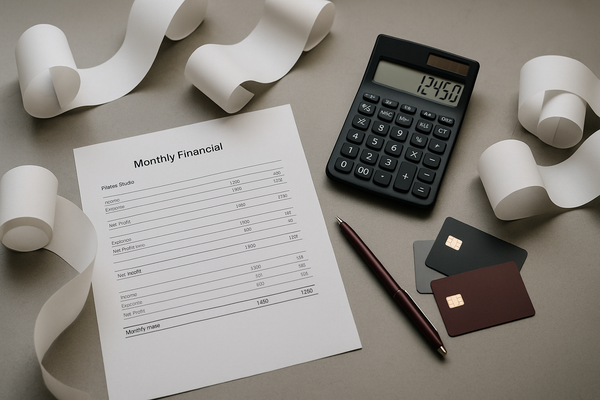
For a 24-month ownership period, a new Megacore reformer costs $2,100–$2,800 total—less than a used Balanced Body or Merrithew after factoring in reconditioning, parts replacement, and maintenance expenses. If you purchase 10 used reformers at $2,200 each (a $22,000 outlay), and those machines require an average of $500 each for reconditioning in year one, your real spend becomes $27,000. Meanwhile, commercial-grade reformers from manufacturers including Balanced Body, Merrithew, and BASI Systems range between $4,000 and $7,000, with typical 10-reformer studios budgeting $50,000 to $80,000 in equipment before mirrors and AV.
With proper maintenance, commercial reformers last 10–15 years; springs should be replaced every 12–18 months in commercial settings, while frames and carriages can last 15+ years. Annual servicing costs $150 to $300 per unit for oiling wheels, adjusting springs, and checking functionality—and this applies whether you bought new or used.
The Revenue Impact of Downtime
The most overlooked cost in used equipment purchases is not repair bills but lost revenue. A studio owner in Austin bought four "lightly used" Balanced Body reformers from a closing studio for $3,800 each; six months later, she had replaced all the springs, two ropes, and one carriage bearing for a total repair bill of $2,800. The machines had 9 years of actual use, not the 2 years the seller claimed.
When reformers are unavailable, the cost compounds. Downtime affects class capacity, scheduling, client experience, instructor workflow, and studio reputation for consistency. A single out-of-service reformer in an 8-machine studio reduces capacity by 12.5% across every session until repaired. If your average class generates $200 in revenue and you run 20 classes per week, one week of downtime costs $500 in lost capacity—before accounting for member frustration or instructor workarounds.
Warranty Protection and Commercial Risk
Premium brands typically offer 5–10 year frame warranties and accessible technical support, while used machines don't come with warranties—all risk is on the buyer. Commercial-grade warranties typically cover frames for 5–10 years and parts for 1–2 years, with upholstery having limited coverage. Most warranties apply only to the first buyer and cannot be transferred.
In a commercial environment where each reformer sees 40–60 client sessions per week, warranty coverage is not a luxury—it is risk mitigation. A frame failure on a used machine purchased 18 months ago becomes a $1,200–$2,500 replacement decision. The same failure on a new reformer in month 18 is a warranty claim with zero out-of-pocket cost.
When Used Equipment Actually Makes Financial Sense
Used equipment is worth buying only in specific situations: an inspected ex-demo unit with remaining warranty, or equipment from a closing studio you can visit with complete service records. Dealer-refurbished units run 20–40% less, and used marketplace machines can be 40–60% cheaper, but condition variance is extreme.
Remanufactured models by certified resellers are stripped, rebuilt, and tested by technicians and backed by a 1-year parts and labor warranty, extendable up to five years. These units offer like-new performance at a discount. Studios closing or downsizing often accept 20–30% below their listing price, especially if you purchase three or more units.
Facebook groups dedicated to Pilates equipment reach targeted buyers and can surface local deals, though Merrithew and Balanced Body maintain the strongest resale value—which also means you pay a premium for the brand in the used market.
Inspection Checklist for Secondhand Reformers
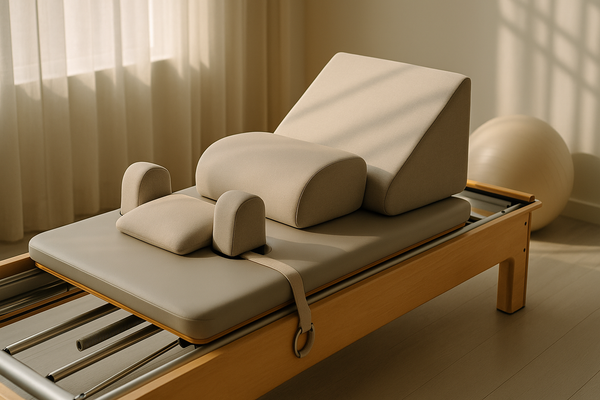
Critical red flags include excessive rust or corrosion, missing safety features, inconsistent pricing, lack of maintenance records, and sellers who won't allow equipment testing. The difference between a genuine bargain and a costly mistake is usually a 30-minute inspection. Test the carriage glide, inspect spring tension consistency, check all rope and pulley systems, examine the footbar and shoulder rests for wear, and request service logs if the seller operated commercially.
The Strategic Hybrid Model
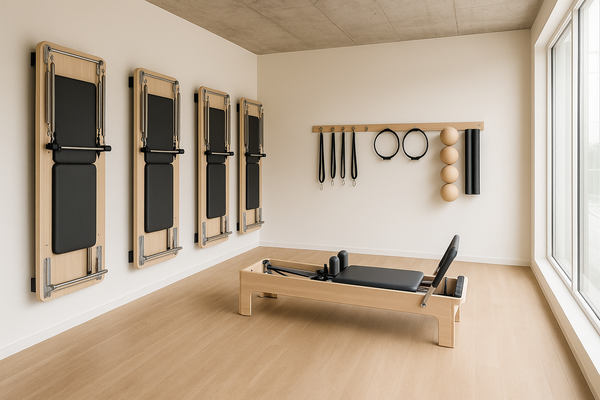
The most capital-efficient approach: buy new reformers for your primary studio and watch for used equipment from reputable brands only as expansion machines, so your core teaching fleet maintains consistent quality while branch locations or specialty rooms operate on a lower cost basis. This strategy preserves client experience where it matters most while extending capital as you scale.
To reduce initial investment, operators can use a phased purchasing strategy where additional reformers are added only as membership and demand grow. This pairs well with independent studio costs that typically range $50,000–$150,000 at launch, where equipment represents the largest controllable line item after lease and buildout.
Financing Options Make New Equipment More Accessible
Many Pilates equipment suppliers offer financing with leases between 2–5 years at rates generally ranging from 6% to 12% APR. For an $80,000 new equipment package financed over four years at 8%, monthly payments land around $1,950—often less than the cost of a single unused reformer sitting idle due to repairs.
Many lenders will finance used equipment from a reputable reseller, though since used equipment has lower resale value, lenders might offer shorter repayment periods or require a larger down payment to reduce their risk. Equipment depreciation matters for tax planning—new reformers qualify as fixed assets and can be depreciated over seven years, while used equipment may offer limited or no depreciation benefit depending on remaining useful life.
Budget 10% of equipment cost for year-one consumables—springs, ropes, padding—regardless of whether you buy new or used. Set aside $2,000 to $4,000 for working capital in the first year to cover minor repairs, parts replacements, or small upgrades.
What This Means for Studio Operators
Editorial analysis, not reported fact:
The new versus used decision is not binary. Operators opening a flagship studio should prioritize new commercial-grade equipment for the primary teaching floor—warranty protection, predictable maintenance costs, and zero downtime risk justify the premium when your reputation and daily revenue depend on equipment reliability. The 24-month cost analysis shows that initial sticker savings erode quickly once you account for parts, labor, and lost class capacity.
Used equipment becomes viable in three scenarios: you are purchasing certified remanufactured units with transferable warranties from authorized dealers; you are buying from a closing local studio where you can inspect machines in person and verify service history; or you are equipping a secondary location or specialty room where equipment utilization is lower and downtime has less revenue impact. In all three cases, budget an additional 15–20% of purchase price for immediate reconditioning and create a repair reserve.
For operators constrained by startup capital, financing new equipment often delivers better economics than buying used outright. A four-year lease spreads the cost while preserving cash for marketing, payroll, and the inevitable surprises of the first 12 months. Pair this with a phased purchasing strategy—launch with eight reformers and add two more as your schedule fills—to match equipment investment directly to revenue growth.
Sources & Further Reading
- Megacore Pilates: New vs. Used Commercial Pilates Reformers, 24-month cost-of-ownership data and Austin studio case study
- Lean Bul Reformer: Used vs. New Pilates Reformer for Studios, market analysis and inspection red flags
- VibeFam: How Much Does It Cost to Start a Pilates Studio in the US in 2026?, reformer pricing and equipment budget benchmarks
- Zipper: Pilates Studio Startup Cost Calculator, working capital and maintenance reserve guidance
- Hesure Pilates: Pilates Reformer Cost Model, warranty coverage and equipment lifespan data
- Fitness Superstore: Remanufactured Reformers, certified refurbished warranty terms
Editorial coverage of publicly reported industry developments. The Pilates Business has no commercial relationship with any companies named.