BASI Pilates Certification: 500-Hour Program Guide 2026
BASI's comprehensive 500-hour certification ranks second in 2026. What studio operators and instructors need to know about curriculum, costs, and career outcomes.

Key Takeaways
- BASI Pilates comprehensive certification requires 500 hours minimum of combined coursework, self-practice, observation, and teaching, delivered in a flex format with 8 modules spread over 2-6 months, plus an average of one additional year to complete student hours and examinations.
- The program ranks second among US Pilates certifications in 2026 and has graduated over 50,000 instructors worldwide since its founding by Rael Isacowitz in 1989, blending classical and contemporary Pilates with emphasis on precision, flow, and adaptability.
- BASI graduates qualify for the Pilates Method Alliance (PMA) NCPT exam and earn a certificate that never expires and requires no continuing education credits to maintain, distinguishing it from many competing credentials.
- Career pathways include studio employment and independent practice, with starting rates in NYC studios ranging $40-75 per hour for group classes and $100-150+ for private sessions depending on location and experience.
- Total investment includes tuition plus ongoing costs such as BASI Interactive Pro at $10/month and studio fees for observation, self-practice, and practice teaching, with BASI recommending 1-2 years of consistent Pilates practice before enrollment.
What Makes BASI Distinctive Among Comprehensive Programs
BASI Pilates established itself as a leader in comprehensive teacher training when founder Rael Isacowitz launched the program in 1989. The organization has since graduated over 50,000 instructors and consistently ranks among the top certifications for US studio hiring. In 2026 certification rankings, BASI holds the second position, competing primarily with STOTT Pilates, Polestar, and Power Pilates for market recognition.
The BASI approach differentiates itself through its synthesis of classical and contemporary Pilates methodology. Where some programs emphasize strict adherence to Joseph Pilates' original sequences and others favor biomechanics-driven modifications, BASI blends both philosophies with a focus on precision, flow, and adaptability. The curriculum covers the 10 movement principles of the Pilates method, an in-depth study of the pelvic region, Pilates breathing mechanics, and safety protocols for teaching diverse populations.
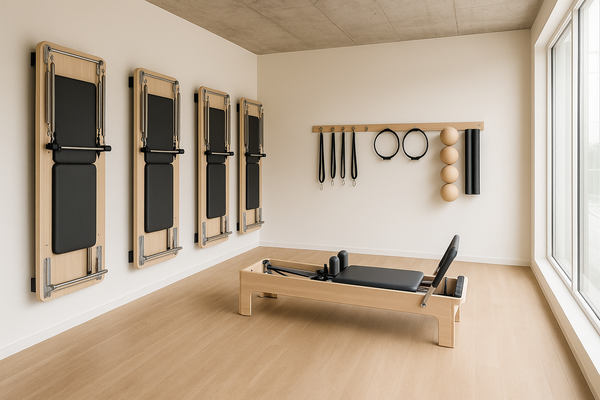
Training encompasses all major apparatus including Reformer, Cadillac, Wunda Chair, Ladder Barrel, Spine Corrector, Ped-a-Pul, Mat, and auxiliary equipment. This comprehensive apparatus coverage aligns with comprehensive certification requirements that most established studios expect when hiring instructors.
The 500-Hour Journey: Module Structure and Time Commitment
The BASI comprehensive certification requires a minimum of 500 hours combining coursework, self-practice, observation, and teaching. The program uses a flex format consisting of 8 modules that blend in-studio sessions for discussion, exercise analysis, and hands-on practice with pre-recorded theory lectures students can complete at their own pace.
Modules are typically spread across 2-6 months depending on the host facility's schedule. After completing all 8 modules, students must fulfill observation hours, accumulate self-practice time, and complete practice teaching sessions before qualifying for the final practical exam and teaching evaluation. On average, it takes students approximately one year from completing the last module to finish all requirements and pass examinations.
This structure means prospective instructors should expect a total timeline of 1.5-2 years from enrollment to certification. BASI recommends 1-2 years of consistent Pilates practice before even enrolling, making the complete journey from novice to certified instructor a 3-4 year commitment for many students. The organization accommodates life circumstances by placing training on hold for up to one year if students become pregnant or injured during the program.
Financial Investment: Tuition and Ongoing Costs
BASI does not publicly post standardized tuition figures, as pricing varies by host facility and geographic market. However, understanding certification costs and timelines across programs provides helpful context for evaluating the investment.
Beyond base tuition, students must budget for BASI Interactive Pro at $10 per month, which provides access to the organization's digital learning platform and exercise library. Additional studio fees accumulate for observation hours, self-practice sessions, and practice teaching appointments. Many students train at the same studios where they take classes, which can reduce some access costs but still represents hundreds of hours of studio time over the certification period.
Indirect costs include lost income during in-studio training days and the opportunity cost of 1-2 years committed to education rather than other career development. For career-changers, this represents a significant financial consideration beyond the direct program fees.
BASI's Position in Studio Hiring Decisions
Studio operators evaluating instructor candidates encounter dozens of certification programs with varying rigor and apparatus coverage. BASI's 500-hour requirement distinguishes it significantly from mat-only certifications that typically require 200 hours or weekend workshop formats offering compressed timelines.
The program's anatomical and biomechanical foundation produces instructors who can confidently teach advanced-level clients and work with special populations. Job postings in major markets specifically mention familiarity with the BASI block system as a valued skill, indicating that studios recognize graduates' training in structured progressions and systematic programming.
However, the majority of US studios in 2026 post "recognized Pilates certification" rather than requiring specific programs. This means BASI graduates compete in a marketplace where their comprehensive training provides differentiation but not necessarily exclusive access to positions. Understanding what studios require when hiring helps both instructors and operators align expectations around credential value.
Certification That Never Expires: The NCPT Pathway
Graduates of the BASI comprehensive program qualify to take the Pilates Method Alliance (PMA) exam to become a Nationally Certified Pilates Teacher (NCPT). This national credential provides third-party validation of competency beyond the BASI certificate itself.
A significant advantage of BASI certification is that the certificate never expires and does not require continuing education credits (CECs) to maintain. This contrasts with many fitness certifications that mandate ongoing CECs and periodic renewal fees. For instructors building long-term careers, this permanence eliminates recurring costs and administrative burden while still allowing pursuit of voluntary continuing education.
The lack of mandatory CECs does not reflect lower standards. Rather, it acknowledges that comprehensive certification at the 500-hour level establishes a foundation that working instructors build upon through practical experience, mentorship, and self-directed professional development. The decision to pursue additional training remains with the individual instructor based on career goals and client populations served.
Student Experience and Community
Graduate feedback consistently highlights the community aspect of BASI training. According to student testimonials, participants learn almost as much from fellow students' unique experiences as from the 12 comprehensive course modules. This peer learning environment creates networking connections that often lead to job opportunities, mentorship relationships, and ongoing professional support.
The quality of BASI faculty receives particular praise. Students describe instructors as incredibly skilled and passionate, ensuring participants maximize learning from each course and session. The combination of structured curriculum with experienced educators creates an environment where both movement mastery and teaching pedagogy develop simultaneously.
The rigor of the program should not be understated. Students must attend all modules before qualifying for final examinations, and the accumulated hours of observation, self-practice, and practice teaching demand significant time management and dedication. For many students, this intensity builds both competence and confidence before entering professional teaching environments.
Career Outcomes: From Graduate to Working Instructor
Graduating from comprehensive teacher training opens diverse career pathways, particularly in markets with high Pilates studio density. Many graduates begin by teaching at established studios, often the same facilities where they trained. This provides immediate access to clients, equipment, and mentorship while building teaching hours and reputation.
Compensation varies significantly by geography and employment model. Starting rates in NYC studios range approximately $40-75 per hour for group classes, with private sessions commanding $100-150+ per hour depending on location and experience. Instructors in smaller markets or suburban areas typically earn less, though cost of living differences offset some disparity.
Beyond studio employment, BASI graduates pursue independent practice, corporate wellness contracts, rehabilitation settings, and specialized populations including dancers, athletes, pre- and postnatal clients, and older adults. The comprehensive apparatus training and anatomical foundation support work with clients requiring modifications or therapeutic approaches. Considering instructor sustainability remains crucial as graduates build careers that balance income needs with physical demands and professional satisfaction.
Continuing Education and Specialization
After completing comprehensive certification, BASI offers certificate courses designed specifically for experienced Pilates professionals. These 3- or 4-day formats provide structured frameworks where experts from different disciplines work with founder Rael Isacowitz to cover specialized topics.
Notable offerings include the Pilates for Injuries and Pathologies course, now available fully online for the first time. This program addresses working with clients managing orthopedic conditions, chronic pain, and post-rehabilitation needs. Other specializations cover anatomy deep dives, programming for specific populations, and advanced apparatus work.
These continuing education options allow instructors to differentiate their services and command higher rates. Similar to professionals stacking specialized credentials in other movement disciplines, BASI instructors who add specialty certifications expand both their competence and marketability in competitive hiring environments.
What This Means for Studio Operators
Editorial analysis, not reported fact:
Studio operators evaluating BASI-certified candidates should recognize that the 500-hour comprehensive program indicates significant investment in both time and finances. These instructors arrive with full apparatus training, anatomical knowledge, and teaching methodology that supports work with diverse client populations from day one. The BASI block system provides a structured progression framework that translates well to group class programming and private session design.
For studios developing hiring criteria, specifying "comprehensive certification from a recognized program" rather than naming specific schools casts a wider net while still ensuring apparatus competency. BASI graduates compete alongside STOTT, Polestar, and Power Pilates instructors in most markets, with teaching ability and client rapport often mattering more than certification brand once foundational competencies are established.
Operators should also consider that BASI's no-expiration certificate means instructors returning to teaching after career breaks do not face recertification barriers. This can be advantageous for studios seeking experienced instructors who took time away for family, education, or other pursuits. The permanent credential combined with teaching experience often produces stronger candidates than newly certified instructors regardless of program pedigree.
Sources & Further Reading
- BASI Pilates official website, comprehensive program details and organizational history
- BASI Pilates Comprehensive Teacher Training Program, curriculum requirements and flex format structure
- BASI Pilates Education FAQ, enrollment requirements and program policies
- BASI Pilates Academy NYC student-to-instructor guide, career outcomes and compensation ranges
- BASI Pilates teacher training reviews, graduate testimonials and program feedback
- Pilates Instructor Certification Costs & Timeline 2026, comparative cost analysis across programs
Editorial coverage of publicly reported industry developments. The Pilates Business has no commercial relationship with any companies named.