Best Pilates Certifications Compared: 2026 Guide
Reformer certification became essential in 2026, with apparatus-trained instructors earning $62–$150/hour. Compare STOTT, BASI, ISSA, and 2027 NCPT changes.

Key Takeaways
- Reformer certification is now essential rather than optional for studio employment in 2026, with apparatus-trained instructors earning $62–$150 per hour compared to $33.86–$40.84 for mat-only instruction.
- Comprehensive certification costs $3,700–$6,000 and requires 450–600 hours over 6–12 months, with most instructors recovering their investment within 14–18 months according to certification investment and ROI data.
- STOTT Pilates (Merrithew) leads for clinical and PT environments, BASI Pilates ranks second for boutique studios, while ISSA offers the fastest entry at $799 for mat-only certification over 8–10 weeks.
- The NCPT exam administered by the National Pilates Certification Program costs $300 and requires 450+ hours, but most US studios now specify "recognized certification" rather than mandating NCPT credentials.
- Starting January 1, 2027, NPCP will require in-person training components for Repertoire and Special Populations portions, ending the viability of fully online pathways to NCPT eligibility.
- Market conditions favor certification with the US Pilates studio market reaching $4.8 billion and growing at 9.7% annually, while reformer class offerings have increased 42% since 2022.
The Reformer Certification Divide
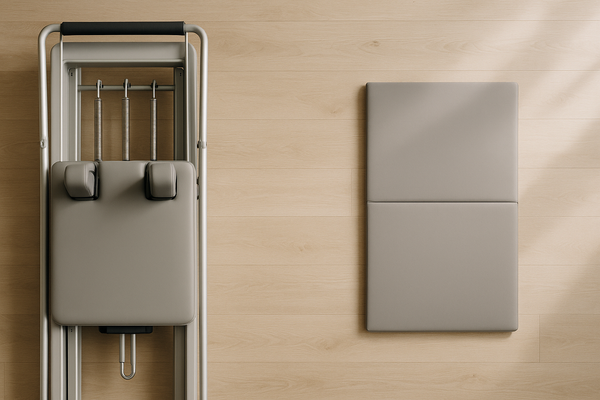
The most significant shift in Pilates hiring for 2026 is the transition of reformer certification from optional add-on to baseline requirement. Studios operating reformers, towers, chairs, and other apparatus need instructors certified on those specific pieces, and mat-only credentials rarely meet current hiring standards for equipment-based studios.
This equipment divide carries substantial financial implications. Certified reformer instructors earn $62–$150 per hour, while mat-only instructors average $33.86–$40.84 hourly. Reformer classes generate 67% of studio revenue with 94% fill rates, compared to 71% for mat classes, according to industry data. For instructors, the higher certification investment pays off quickly, with most recovering their $4,800–$9,000 training costs within 14–18 months.
The reformer certification shift reflects broader market demand. Reformer class offerings have grown 42% since 2022, and experienced instructors in major US markets now earn $60–$90 per class, with top performers in saturated metros clearing $80,000–$120,000 annually.
Comparing Major Certification Programs
The Pilates Method Alliance recommends a minimum of 450 hours for comprehensive certification, but program approaches vary significantly. STOTT Pilates (Merrithew) stands out as the top choice for physical therapy and clinical environments, with 310–500 hours of training costing approximately $2,885 for mat plus reformer, emphasizing rehabilitation and biomechanics foundations.
BASI Pilates ranks second among comprehensive certifications, offering classical and contemporary fusion preferred by boutique studios. The program costs $4,198–$6,500 over 6–12 months and prepares instructors for the NCPT exam. Polestar Pilates targets rehabilitation-focused practitioners with 500–650 hours costing $4,500–$8,500, making it premier for physical therapists entering Pilates instruction.
For accelerated entry, ISSA Pilates offers the most accessible starting point at $799 for an 8–10 week online mat certification. This works especially well for fitness professionals adding Pilates to existing credentials but does not provide apparatus hours, making it insufficient as a standalone qualification for equipment-based studio work. Core Collab Sculptformer addresses the reformer gap with a $1,799 online reformer-specific certification offering self-paced study with lifetime access.
Classical Versus Contemporary: Studio Compatibility
Certification philosophy determines studio compatibility. Classical programs like Power Pilates ($4,995, 600 hours) and Romana's Pilates prepare instructors for traditional studios and private clients but may not fit contemporary studio environments. Contemporary certifications including BASI, STOTT, and Polestar work at most chain studios and independents but not at purely classical establishments.
This divide reflects fundamental teaching approaches. Classical methods adhere strictly to Joseph Pilates's original sequences and apparatus use, while contemporary programs incorporate modern biomechanics research and rehabilitation science. Peak Pilates, which began in Boulder over 25 years ago, emphasizes Joseph Pilates's original principles through a structured level-by-level path costing $4,579 for 500 hours.
The NCPT Question and 2027 Changes
The National Certified Pilates Teacher (NCPT) exam represents the gold standard for independent third-party credentialing. Administered by the National Pilates Certification Program, an independent nonprofit incorporated in 2021, the NCPT requires 450+ hours of comprehensive Pilates education and costs $300 to sit for the exam.
However, NCPT certification is not legally mandatory. Most US studios now post job listings requiring simply "recognized Pilates certification" rather than specifically mandating NCPT credentials, according to studio hiring standards data. This opens options considerably, though premium boutique studios increasingly expect the NCPT credential as a marker of professional seriousness.
A major inflection point arrives January 1, 2027, when NPCP will require in-person components for Repertoire and Special Populations training portions. History and anatomy may remain pre-recorded, but this change eliminates the pathway from fully online programs to NCPT eligibility. Aspiring instructors planning to pursue NCPT credentials should factor this coming requirement into their 2026 program selection.
The Credentialing Debate
Not all industry voices view PMA and NCPT frameworks positively. Some educators question whether these systems represent genuine quality assurance or function primarily as credentialing paywalls. Critics argue the framework has evolved from helpful scaffolding into a self-reinforcing financial loop that rewards compliance over competence.
This tension matters for program selection. Studio operators and instructors must balance credentialing legitimacy against practical hiring realities, where reformer proficiency and studio-recognized brand names often matter more than specific exam credentials. The career pathway realities show that apparatus training has become non-negotiable regardless of which credentialing body validates it.
Cost Structures and Hidden Expenses
Mat Pilates certification typically costs $500–$1,500 over 1–3 months and 40–100 hours. Reformer certification adds $1,500–$3,500 over 3–6 months. Comprehensive certification covering 450–600 hours costs $3,000–$7,000 and takes 6–18 months, with programs like Balanced Body offering modular payment options ranging from $1,000–$10,000+ over 6 months to 2+ years.
Beyond tuition, instructors should budget for books and study materials adding $300–$400, plus examination fees contributing another $200–$300. The total certification investment for comprehensive pathways therefore ranges from $3,700–$6,000 for most instructors.
Return on investment remains strong despite higher costs. Average instructor salaries reached $69,000 gross annually in 2026, with experienced instructors recovering comprehensive certification investments within 14–18 months. The US Pilates studio market has grown to $4.8 billion with 9.7% annual growth, supporting a projected 15% job growth rate for Pilates instructors over the next five years.
Choosing Your Certification Pathway
Program selection should align with specific career goals and market positioning. Instructors targeting clinical rehabilitation or physical therapy integration should prioritize STOTT Pilates (Merrithew) or Polestar Pilates, both emphasizing biomechanics and rehabilitation foundations. Those planning classical boutique studio work benefit from BASI Pilates or Power Pilates comprehensive training.
For immediate market entry on a limited budget, mat certification from ISSA provides fitness professionals a Pilates specialty within weeks. However, the most common career sequence starts with mat foundation and adds reformer certification within the first 12 months, since the full reformer repertoire builds off mat work.
Instructors should also consider geographic market conditions. Studios in saturated metropolitan markets increasingly require comprehensive certification and NCPT credentials, while emerging markets may accept recognized brand certifications without additional credentialing. Online programs offer cost savings but face the January 2027 in-person requirement for NCPT eligibility.
What This Means for Studio Operators
Editorial analysis, not reported fact:
The reformer certification requirement creates both hiring constraints and quality assurance for studio operators. Requiring comprehensive apparatus certification narrows the candidate pool but ensures instructors can teach revenue-generating reformer classes from day one. Studios should evaluate whether mat-only instructors make financial sense given that reformer classes generate 67% of revenue with higher fill rates.
The 2027 NCPT in-person requirement will likely improve instructor quality by eliminating purely theoretical online training, but it may also reduce the supply of newly certified instructors entering the market. Studios hiring in 2026 should consider whether locking in NCPT-eligible candidates now makes sense before the requirement tightens, or whether brand-specific certifications like STOTT, BASI, and Balanced Body provide sufficient quality markers for their market position.
For operators building hiring standards, the data suggests focusing on apparatus proficiency matters more than specific credentialing body approval. Studios should require demonstrated reformer competency through practical auditions rather than relying solely on certificate credentials, especially given the ongoing debate about PMA credentialing legitimacy versus teaching capability.
Sources & Further Reading
- Fitness Mentors Pilates Teacher Training Guide, comprehensive overview of certification requirements and PMA standards
- Best Pilates Certifications 2026, comparative analysis of STOTT, BASI, Polestar, and other major programs
- Online Pilates Certification Options, evaluation of online versus in-person training pathways
- The Real Cost of Pilates Certification, detailed breakdown of certification investment and ROI
- How to Become a Pilates Instructor in 2026, step-by-step career pathway guide
- NCPT Exam Guide and Requirements, National Pilates Certification Program eligibility and process
- Pilates Industry Statistics 2026, market size, growth rates, and revenue data
- Pilates Instructor Salary and Earnings, compensation benchmarks by certification level
- Hiring Standards for Boutique Fitness Studios, instructor qualifications and studio requirements
Editorial coverage of publicly reported industry developments. The Pilates Business has no commercial relationship with any companies named.