Mat vs. Reformer Certification: Which Path Gets You Hired?
Mat-only credentials rarely meet 2026 studio hiring needs. Reformer instructors earn $70–$150 per session versus $25–$50 for mat classes as equipment training becomes essential.

Key Takeaways
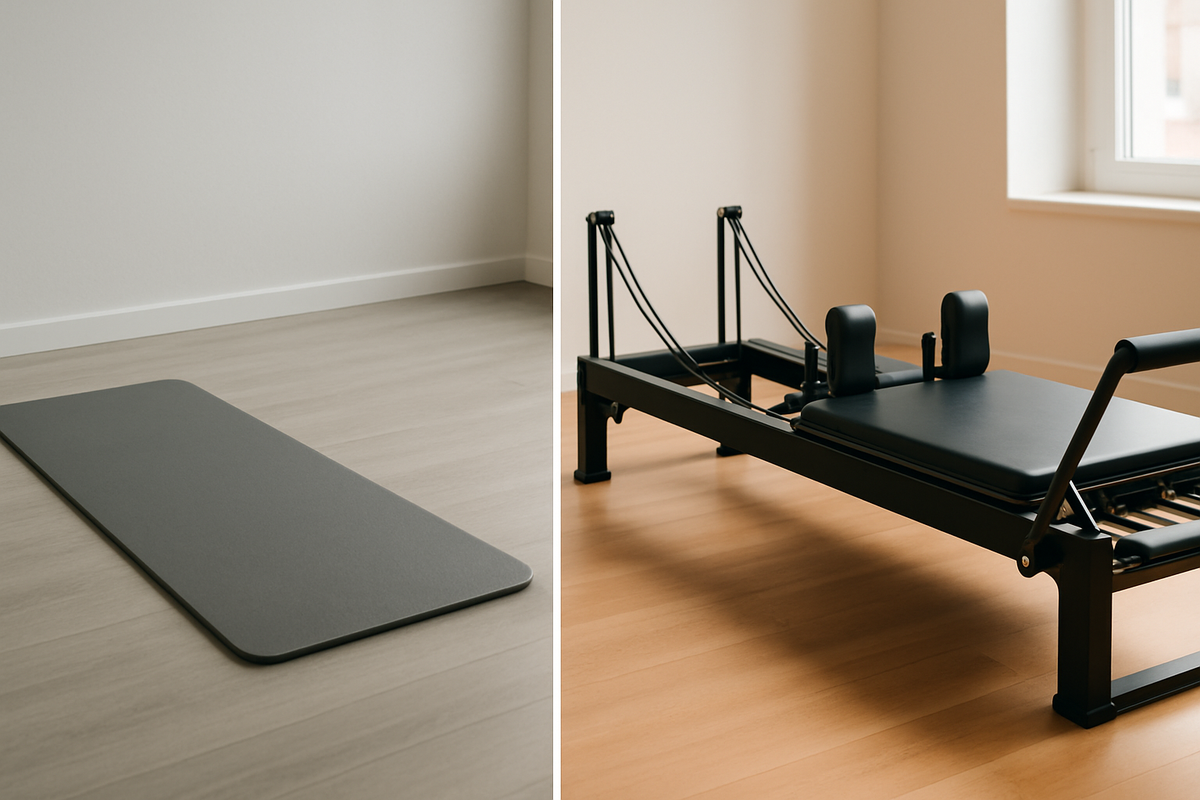
- Mat-only certification no longer meets most studio hiring requirements in 2026, as equipment-based studios dominate growth and need reformer-trained instructors who can teach on apparatus.
- Income potential differs sharply by certification path: mat instructors typically earn $25–$50 per class, while reformer instructors charge $70–$150 per session, with most recovering training costs within 14–18 months.
- Comprehensive certification costs $3,700–$6,000+ and requires 9–18 months, making it a significant commitment that most instructors don't need in their first 2–3 years when reformer-specific training opens studio doors faster.
- Studio hiring decisions hinge on audition quality over certification brand: operators report that a clean, confident demonstration class reveals more about teaching ability than the name on your certificate.
- Market selectivity has increased despite demand growth: U.S. studio count growth is just +0.2% while revenue declined -0.8% in 2026, meaning studios hire carefully even as reformer bookings surge.
The Hiring Reality Has Shifted to Equipment
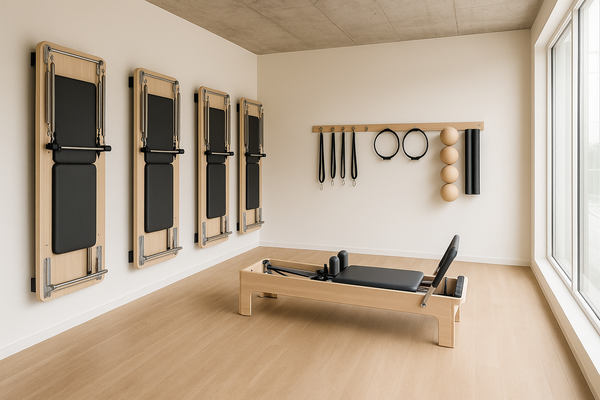
The question facing aspiring Pilates instructors in 2026 is no longer whether mat and reformer certifications are equal pathways. Studios operating reformers, towers, chairs, and other apparatus need instructors certified on those specific pieces, and mat-only credentials rarely meet equipment-based studio requirements today.
This shift tracks market fundamentals. Reformer Pilates bookings grew 66% year-over-year, and Life Time Group plans to incorporate dedicated Pilates studios into each of its 12 to 14 new locations opening in 2026. Studios are aggressively hiring reformer-trained instructors while opportunities for mat-only teachers contract. The entry point has moved from mat to reformer for most professional teaching careers.
Investment and Timeline by Certification Path
Mat certification takes 50–70 hours, typically completing in 4–8 weeks, while most online Pilates certifications take 6–10 weeks total, with mat programs usually faster and reformer training requiring more in-depth learning and assessment time. Mat programs cost $300–$2,500, making them accessible tests for instructors exploring whether Pilates fits their career direction.
Reformer certification requires real machine time, real student practice, and real instructor observation. Comprehensive Pilates certification now requires 450+ hours of training per Pilates Method Alliance standards, costing $3,700–$6,000+ and taking approximately one year to complete while balancing other work. For instructors who know they want to teach in studios, reformer-specific training offers the most direct path to employment.
The Income Math Favors Reformer Training
The certification choice carries real financial consequences. Certified reformer instructors earn $62–$150 per hour, compared to $33.86–$40.84 hourly averages for general Pilates instruction, with most recovering their $4,800–$9,000 training investment within 14–18 months. Mat instructors working group classes face a narrower income ceiling.
Reformer pricing structures support these higher wages. Apparatus-trained instructors command premium compensation because reformer sessions price higher than mat-only classes in boutique studios and private training settings. The investment differential between mat and reformer training reverses quickly once an instructor begins teaching regularly on equipment.
Why Comprehensive Certification Can Wait
While most professional Pilates instructors eventually pursue both mat and reformer certifications, combined training provides the strongest foundation for long-term growth. However, the 9–18 month timeline and $3,700–$6,000+ price tag for comprehensive programs makes this a second-stage investment for most instructors.
Reformer-specific certification unlocks studio employment immediately, and instructors can add mat, chair, and other apparatus credentials as their teaching load and income stabilize. The comprehensive path made sense when mat-only teaching offered viable income, but 2026 market conditions favor faster entry through equipment training followed by progressive credentialing.
What Studio Operators Actually Hire For
When studios buy equipment, they often ask for help finding certified instructors, and studios look for a clean, confident audition class above certification brand. Studio operators report seeing BASI-certified instructors who couldn't cue a basic Hundred and online-certified instructors who teach better than anyone on staff. The audition reveals 80% of what studios need to know.
This hiring reality means certification opens doors, but teaching quality determines who gets hired. Instructor recruiting and retention, reformer capital expenditures, and small urban footprints are the main operational constraints facing studio operators today. They cannot afford mis-hires, making the audition class the critical filter.
Market Selectivity Despite Growth
U.S. studio count growth from 2025 to 2026 is just +0.2%, while U.S. industry revenue growth in 2026 is -0.8%. Studios remain competitive and selective about hiring even as demand for reformer sessions climbs. Hiring top-tier instructors is expensive, and combined with high rent and equipment costs, these fixed expenses compress margins even when studios maintain steady class attendance.
Strong reformer booking growth does not translate to easier hiring. It means studios are more selective, seeking instructors who can immediately contribute to revenue through private sessions and small-group reformer classes that justify premium pricing.
Online Certification Viability and Limits
The demand for Pilates instructors continues to grow in 2026, with more clients preferring home workouts, boutique studios, and hybrid training, and online certification has made it easier than ever to become qualified from anywhere at your own pace. Mat-focused certifications translate well to online formats because the equipment is your own body, and theory-heavy content covering anatomy, biomechanics, and history works effectively in digital delivery.
Career-switchers from fitness backgrounds with existing teaching skills do well with online mat programs because they already know how to cue, observe, and adjust. The lower cost of $300–$2,500 makes the math easier for testing whether Pilates aligns with career goals. However, reformer and comprehensive certifications require hands-on machine time, real student practice sessions, and direct instructor observation that online formats cannot fully replicate.
What This Means for Studio Operators
Editorial analysis, not reported fact:
Studio operators hiring in 2026 should prioritize audition quality over certification pedigree, but require reformer credentials as the baseline filter. The candidate pool increasingly includes online-certified instructors who may lack apparatus fluency, making the demonstration class essential for identifying teaching ability. Studios should design auditions that test cueing clarity, client observation skills, and modification range on actual reformer equipment.
For operators opening new locations or expanding reformer offerings, the instructor shortage is about quality, not quantity. Budget hiring timelines that account for extended searches, and consider investing in apprenticeship or mentorship structures that allow promising mat-certified instructors to train on equipment within your studio. This builds loyalty and addresses the skills gap more sustainably than waiting for fully comprehensive-certified candidates who command premium wages immediately.
Sources & Further Reading
- The Core Collab: Pilates Reformer vs Mat Certification 2025, comparison of income potential and training timelines
- The Pilates Business: The 2026 Pilates Instructor Shortage Is About Sustainability, studio hiring needs and operational constraints
- The Pilates Business: The Real Cost of Pilates Certification, comprehensive program investment and ROI analysis
- MMC Invest: U.S. Reformer Pilates Market Outlook 2026, industry growth metrics and studio economics
- Wellyx: Pilates Industry Statistics, reformer booking growth and market demand data
- Dojo Business: Pilates Studio Market Growth, Life Time Group expansion plans and studio count trends
Editorial coverage of publicly reported industry developments. The Pilates Business has no commercial relationship with any companies named.