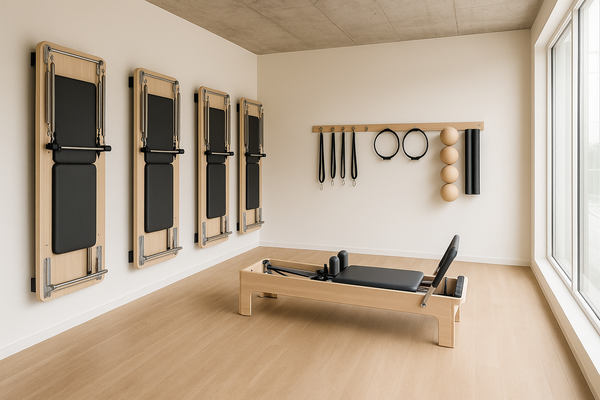
Wearable Integration: Should Pilates Studios Track Biometrics?
Studios integrating wearable data see 23% higher retention, but execution matters more than adoption. What operators need to know before investing in 2026.

Key Takeaways
- Retention advantage is real: Studios integrating wearable data into member engagement workflows see 23% higher 12-month retention rates compared to those relying on manual check-in data alone, according to the IHRSA 2025 report.
- Adoption remains fragmented: Approximately 29% of studios introduced wearable-integrated wellness tracking between 2023 and 2025, with 36% now allowing performance tracking during sessions, but implementation quality varies widely.
- Integration matters more than hardware: The studios seeing ROI are those that connect wearable data to their management and coaching workflows, not those that leave it siloed in separate apps, making staff training and platform compatibility critical success factors.
- Philosophical tension persists: While 73% of consumers say community and connection drive their studio loyalty, instructors worry that screens and metrics undermine the presence-centered teaching model that defines Pilates.
- Multi-device support is non-negotiable: Multi-ecosystem wearable support across Apple, Garmin, Fitbit, and WHOOP is the single biggest differentiator in 2026 as member device diversity has widened significantly.
- Privacy concerns remain unresolved: Wearable fitness technology vendors are not HIPAA-covered entities, meaning they can sell member health data without the protections members might expect from a wellness provider.
The Business Case: Retention Data That Studio Owners Cannot Ignore
The numbers are compelling. Studios that weave wearable biometric data into their member engagement systems report 23% higher 12-month retention rates than those using manual check-in logs, according to the International Health, Racquet & Sportsclub Association's 2025 report. When members hit early milestones, they are about 60% more likely to renew, making the formula straightforward: help people see wins early and keep them moving.
This is not theoretical. Strong Pilates studios have integrated tablets offering real-time performance tracking, color-coded intensity zones, and personalized coaching tools into their reformer sessions. When iFIT acquired Reform RX, a connected reformer company, it signaled that the modern reformer now shares the same DNA as a treadmill or bike: smart resistance, adaptive feedback, and personalized programming. Biometric integration is enabling real-time form correction even in mat-based classes, pulling hardware manufacturers into instructor training partnerships.
Yet adoption remains uneven. Approximately 29% of studios introduced wearable-integrated wellness tracking between 2023 and 2025, and about 36% of studios now allow performance tracking during sessions to monitor heart rate, calories burned, and posture metrics. That leaves nearly two-thirds of the industry either waiting, skeptical, or unable to justify the investment.
Where Integration Creates Value and Where It Fails
The opportunity is not the data itself. The studios getting value from this trend are those that integrate wearable data into their management and coaching workflows, rather than leaving it siloed in separate apps. Trainers can adjust intensity and recovery based on what the member actually did outside the gym. Without integration and staff adoption, wearable data becomes noise.
Before buying wearables, operators need clarity on intent. Do you want to improve client accountability through heart rate monitoring and progress tracking? Gamify workouts with leaderboards and team challenges? Enhance retention with app integrations and reminders? Each use case demands different platform features, instructor training, and onboarding workflows. The multi-ecosystem wearable support across Apple, Garmin, Fitbit, and WHOOP has become the single biggest differentiator in 2026, as member device diversity has widened significantly.
Revenue potential exists for studios that build tiered service models around biometric coaching. If a studio charges an extra $50 per month for personalized data-driven coaching and just 20 clients sign up, that generates an extra $1,000 per month in revenue. This model parallels the technology-enabled personalization strategies that have driven visit frequency and retention improvements across boutique fitness.
The Instructor Tension: Screens vs. Presence
The most powerful coaching happens in the space between instructor and student, not between you and a screen. Wearable tech is becoming more common in the studio, but the focus in 2026 is on using real-time feedback to support control and progress, not chase numbers. Members still want humans. In Les Mills' 2026 report, drawn from more than 10,000 consumers, only about 10% prefer AI guidance over a human coach, and roughly 73% say community and connection are what keep them coming back.
This creates a design challenge for studio operators. Biometric integration works best when it reinforces the instructor relationship rather than replacing it. Real-time heart rate data displayed on a tablet can help an instructor know when to cue a breath or slow a spring transition. But when that same data feeds into a leaderboard that turns a mat class into a competitive sprint, it can undermine the mindful movement and individual pacing that brought clients to Pilates in the first place.
Privacy, Data Ownership, and Member Trust
Many members assume their studio operates under healthcare privacy standards. They do not. Wearable fitness technology vendors are not considered covered entities under HIPAA, which means they can sell member data. Studios that adopt wearable platforms need transparent policies about what data is collected, how it is stored, who can access it, and whether it is shared with third parties.
This is not just a legal issue. It is a trust issue. Boutique Pilates studios build their reputations on personalized care and discretion. A data breach or unexpected marketing email from a wearable vendor can erode that trust faster than any retention metric can repair it. Operators should evaluate vendor contracts for data ownership clauses, third-party sharing policies, and member opt-out mechanisms before signing.
Implementation Checklist: What Maturity Actually Looks Like
The 36% of studios tracking biometrics are not all seeing equal ROI. Execution matters more than adoption. Studios considering wearable integration should assess readiness across five dimensions:
- Platform compatibility: Does your studio management software integrate natively with wearable APIs, or will you need middleware?
- Staff training: Can instructors interpret heart rate variability, recovery scores, and intensity zones in real time during class?
- Member onboarding: Do you have a process to sync devices, explain data privacy, and set expectations in the first session?
- Data utilization: Are you using wearable data to trigger automated check-ins, celebrate milestones, or flag disengagement before members ghost?
- Philosophy alignment: Does biometric tracking enhance your teaching model or compete with it?
Studios that excel at wearable integration often start small. They pilot heart rate monitoring in a single class format, train one instructor deeply, and refine workflows before scaling. This mirrors the hybrid membership retention strategies that have proven effective in balancing technology with human touchpoints.
What This Means for Studio Operators
Editorial analysis, not reported fact:
The decision to integrate biometric tracking is not about whether wearables are good or bad. It is about whether your studio can execute on the infrastructure, training, and philosophy required to make them valuable. A studio that buys heart rate monitors but lacks the staff training to act on that data will see no retention lift. A studio that builds leaderboards in a population seeking therapeutic movement may alienate its core members.
The operators thriving with wearables in 2026 are those who treat them as a retention tool, not a revenue gimmick. They use biometric data to surface early wins, identify disengagement patterns, and personalize progression in ways that deepen the instructor relationship. They choose platforms that integrate with their existing systems and respect member privacy. And they remain clear on what makes their studio valuable: the human expertise, the community, and the transformation that happens when a skilled instructor sees what a sensor cannot.
If you are considering wearable integration, start with the retention question. Are your members leaving because they do not see progress, or because they feel disconnected from the community? If it is the former, biometric tracking may help. If it is the latter, invest in the human infrastructure first. The 23% retention advantage is real, but only for studios that earn it.
Sources & Further Reading
- Virtuagym, Wearable Fitness Technology in Gyms, covers integration strategies and retention impact data from IHRSA 2025 report
- US Tech Automations, Fitness Wearable Integration 2026 Comparison, multi-ecosystem support and adoption statistics
- AthletechNews, Strong Pilates Connect Tracking Tech, real-world studio implementation of tablet-based biometric systems
- AthletechNews, Pilates 2026 Equipment Forecast, iFIT acquisition of Reform RX and smart reformer trend
- Nutripy, Fitness Studio Technology Trends, adoption timelines and milestone-driven renewal rates
- University of Utah IT, Privacy and Fitness Devices, HIPAA exemptions and data privacy concerns
- Fab Glass and Mirror, 2026 Fitness Industry Insights, Les Mills consumer research on community and AI preferences
Editorial coverage of publicly reported industry developments. The Pilates Business has no commercial relationship with any companies named.